
Especificaciones y análisis del Peugeot Partner
Power
92HP
Torque
230Nm
Consumption
4.7l/100
Emissions
123g/km
0-100 km/h
14.3s
Top Speed
165km/h
Weight
1395kg
Price
17,767€
Technical summary
Gasóleo
Manual 5v
FWD
5 / 5 doors
675 L
60 L
68 kW
Current
Technical specifications
Engine
Capacities
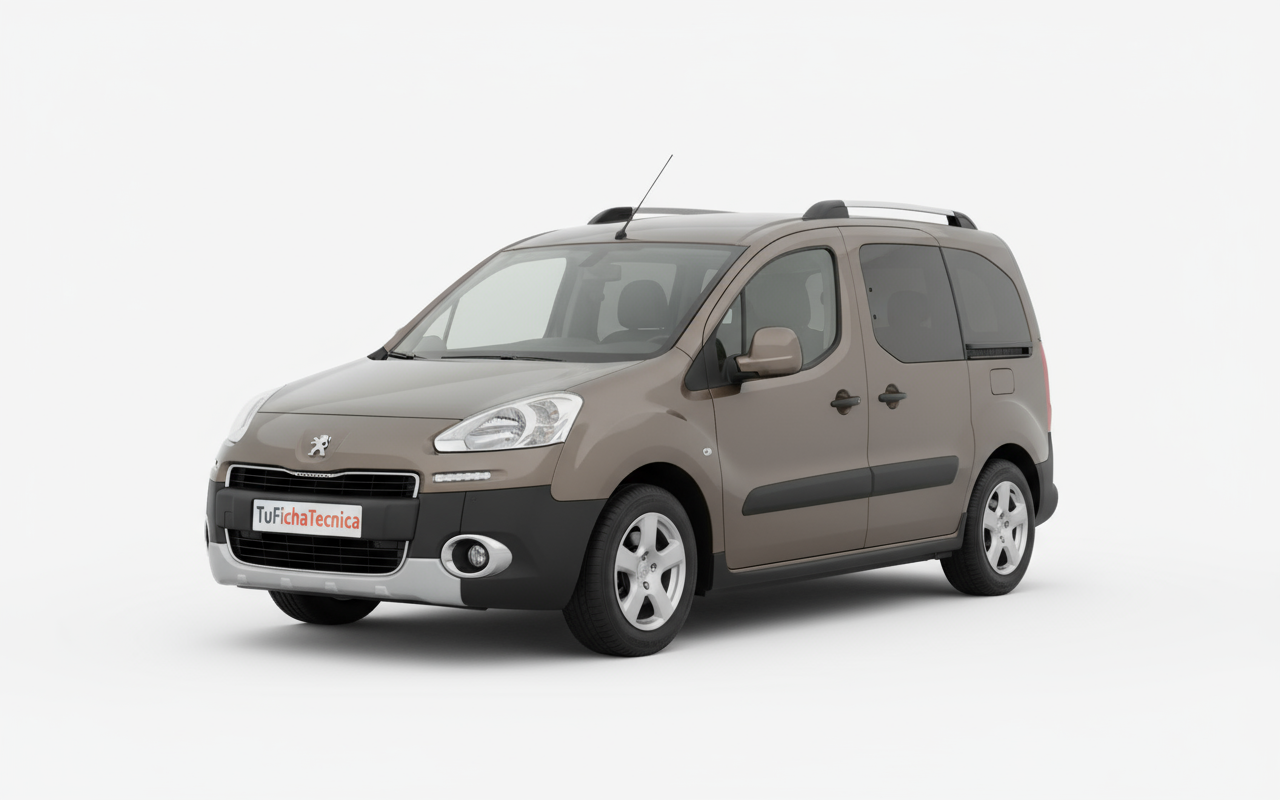
Detailed analysis of the Peugeot Partner Tepee Active e-HDi 92 SST · 92 CV (2012-2015)
General description
The 2012 Peugeot Partner Tepee Active e-HDi 92 SST is a vehicle that, at first glance, presents itself as a practical and functional option. With its standard body and a 92 hp diesel engine, this model seeks to offer a balance between cargo capacity and everyday efficiency. Its design, although focused on utility, does not give up certain touches that make it recognizable within the Peugeot range.
Driving experience
Behind the wheel of the Partner Tepee, the predominant feeling is that of a robust and reliable car. The hydraulically assisted steering, although not the most direct, fulfills its function in urban environments and on the road. The 92 hp diesel engine, with its torque of 230 Nm at 1750 rpm, offers an adequate response to move the vehicle with ease, even with a load. The suspension, McPherson type at the front and trailing arm with torsion bar at the rear, absorbs terrain irregularities well, providing a comfortable ride for all occupants. The acceleration from 0 to 100 km/h in 14.3 seconds is not dazzling, but it is sufficient for a vehicle in its category, and its top speed of 165 km/h allows for long journeys without problems. The Stop&Start system contributes to more efficient driving in the city, reducing consumption and emissions.
Design and aesthetics
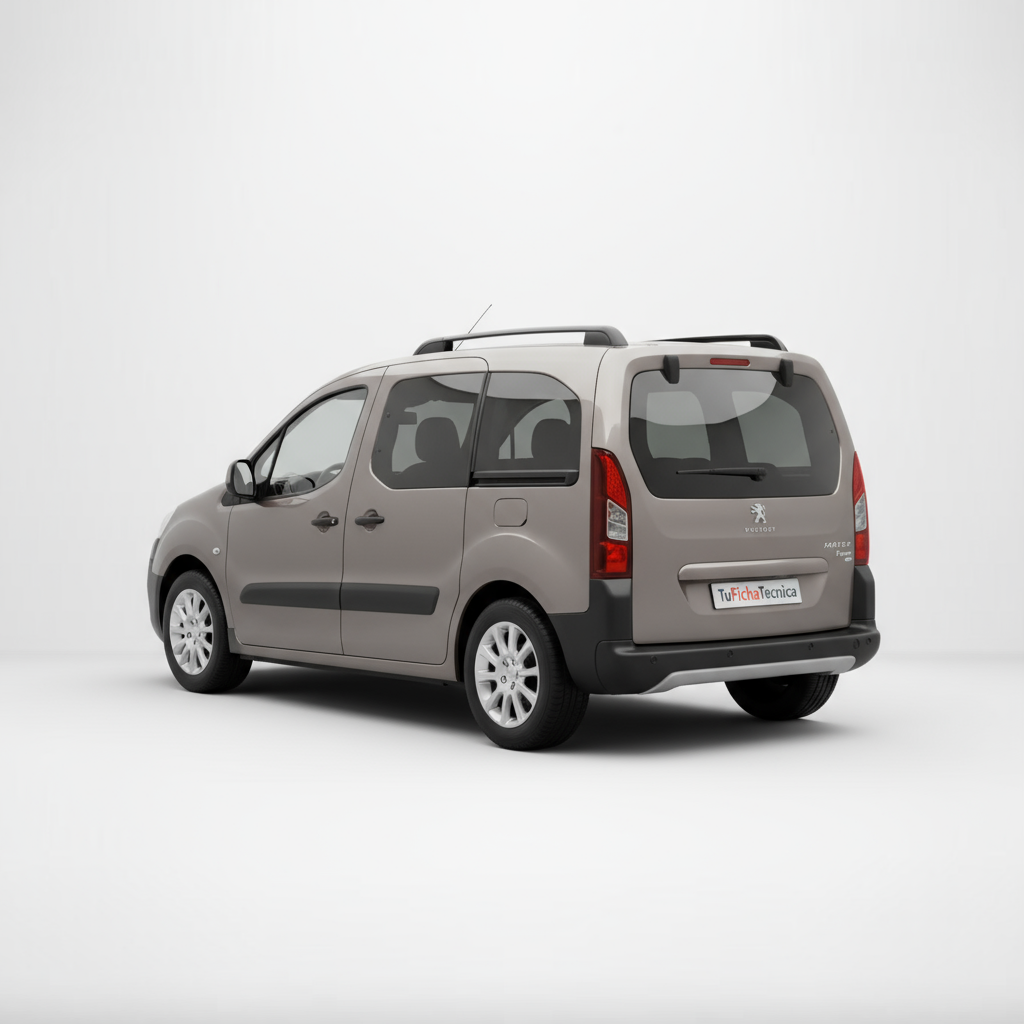
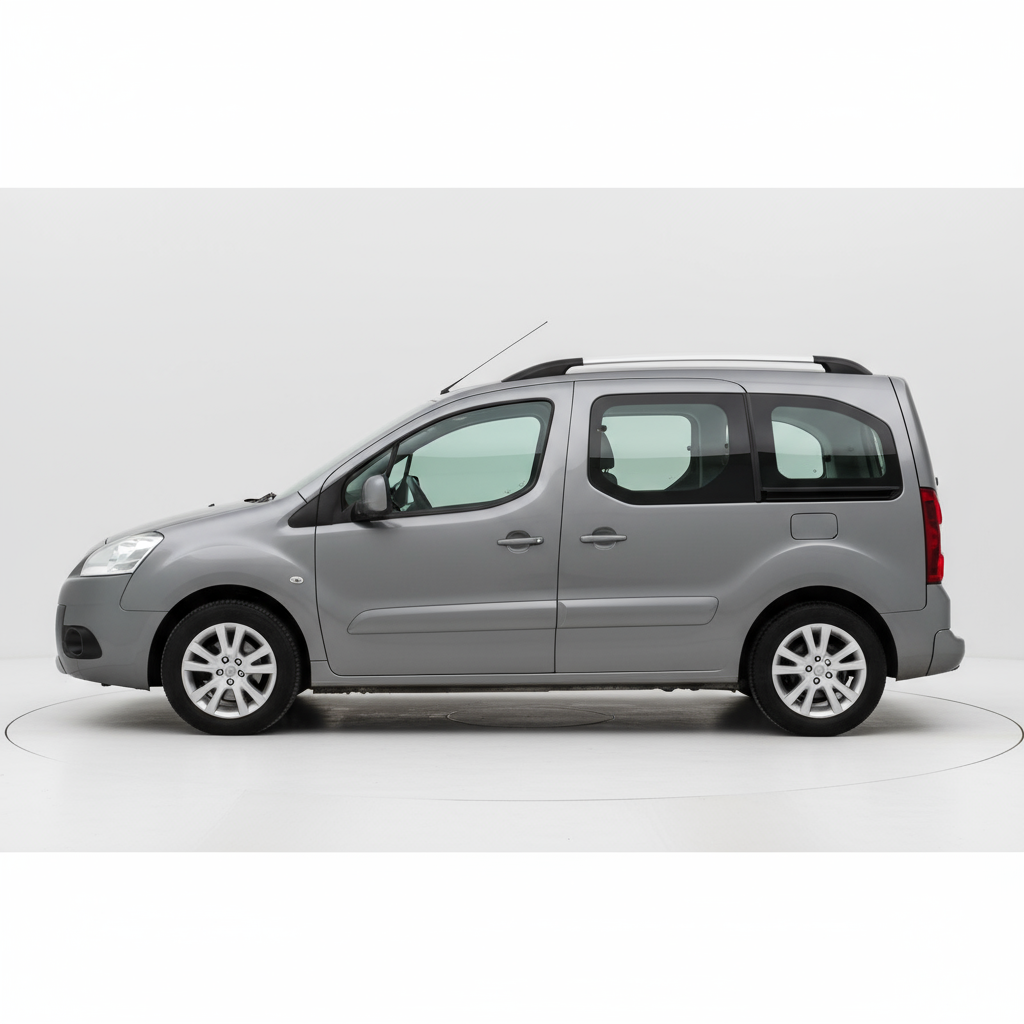
The design of the 2012 Peugeot Partner Tepee Active e-HDi 92 SST is characterized by its functionality. Its lines are clean and its silhouette, although voluminous, is designed to maximize interior space. Its 4380 mm length, 1810 mm width, and 1801 mm height, along with a wheelbase of 2728 mm, give it a solid presence on the road. The five doors facilitate access to a spacious cabin, and the 675-liter trunk is one of its strong points, ideal for families or for those who need to transport bulky items. The 15-inch wheels with 205/65 R15 tires complement its practical and robust appearance.
Technology and features
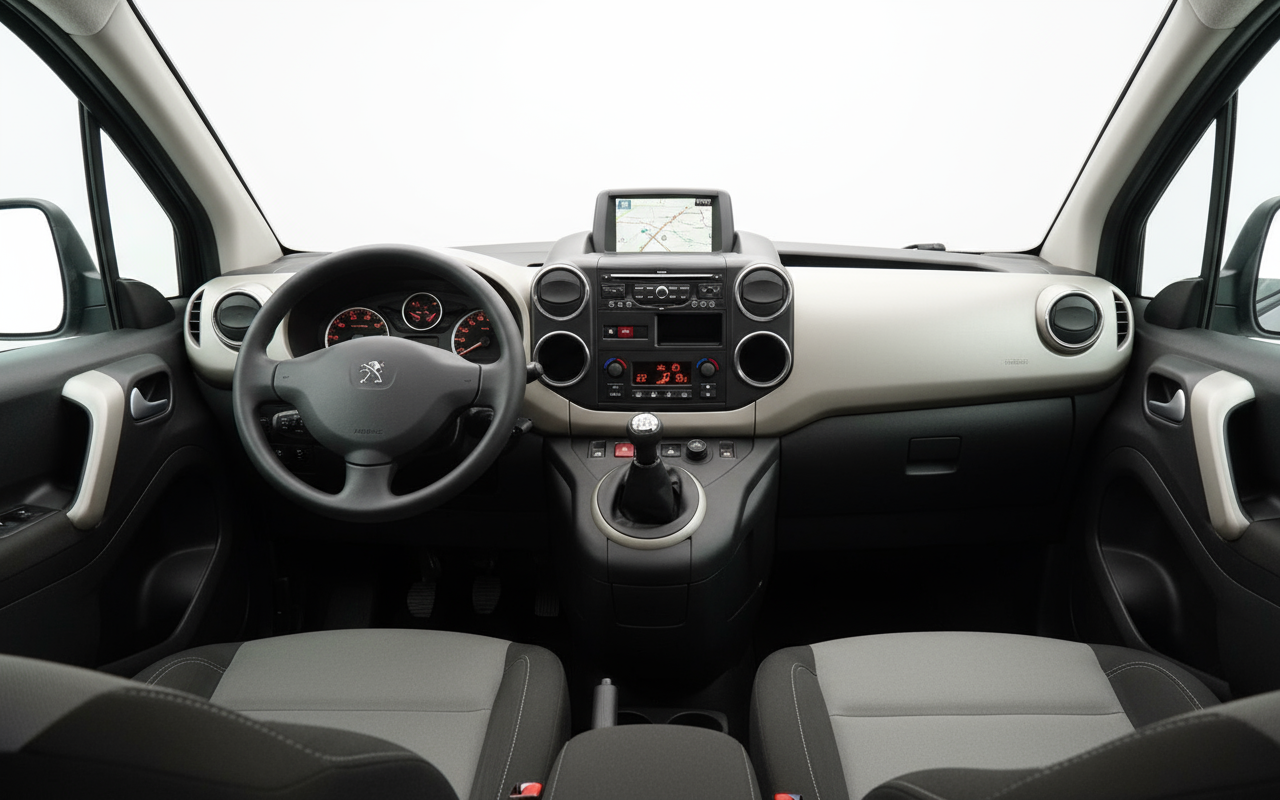
In terms of technology, the 2012 Partner Tepee incorporates elements that, although not cutting-edge, meet the expectations of the time. The 1560 cc diesel engine with common rail direct injection, turbo, and intercooler, is an example of mechanical efficiency. The Stop&Start system is a prominent feature for reducing consumption and emissions in urban environments. The hydraulically assisted steering with speed sensitivity improves maneuverability. In terms of safety, it has ventilated front disc brakes and rear disc brakes, ensuring good braking capability. The suspension, although simple, is well calibrated to offer comfort and stability.
Competition
In the light commercial vehicle and compact minivan segment, the 2012 Peugeot Partner Tepee Active e-HDi 92 SST competes with models such as the Citroën Berlingo, Renault Kangoo, Fiat Doblò, and Volkswagen Caddy. Each of these rivals offers its own advantages in terms of space, equipment, or engines, but the Partner Tepee stands out for its overall balance, its efficient diesel engine, and its reputation for robustness, making it a very worthwhile option for those looking for a versatile and reliable vehicle.
Conclusion
The 2012 Peugeot Partner Tepee Active e-HDi 92 SST is a vehicle that more than fulfills its purpose: to offer practical, spacious, and efficient transport. Its 92 hp diesel engine, combined with the Stop&Start system, makes it an economical option for everyday use and for longer journeys. Its functional design and large trunk make it ideal for families or for those who need a vehicle with large cargo capacity. Although it is not a car that stands out for its sportiness or its cutting-edge technology, its reliability and comfort make it an intelligent choice for those who value utility and economy of use.