
Especificaciones y análisis del Porsche 911
Power
320HP
Torque
370Nm
Consumption
11.1l/100
Emissions
-g/km
0-100 km/h
5.2s
Top Speed
285km/h
Weight
1500kg
Price
93,960€
Technical summary
Gasolina
Manual 6v
RWD
4 / 2 doors
130 L
64 L
235 kW
Current
Technical specifications
Engine
Capacities
Detailed analysis of the Porsche 911 Carrera Cabrio · 320 CV (2001-2004)
General description
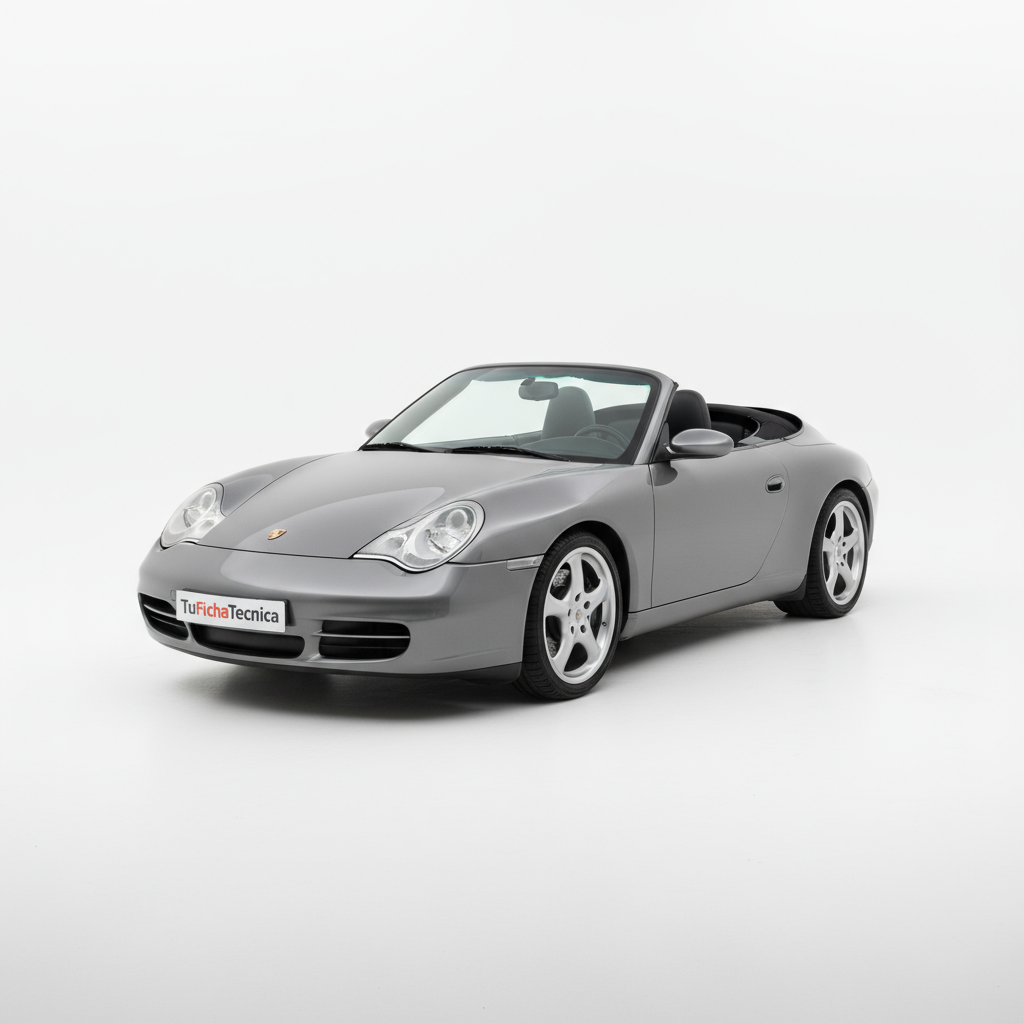
The 2002 Porsche 911 Carrera Cabrio is an automotive gem that embodies the essence of sportiness and convertible luxury. With its 3.6-liter, 320 hp engine, this model promises an unparalleled driving experience, combining Porsche's characteristic power with the freedom of feeling the wind in your hair. Its price of €93,960 at the time positioned it as an exclusive vehicle, a dream for many and a reality for a lucky few.
Driving experience
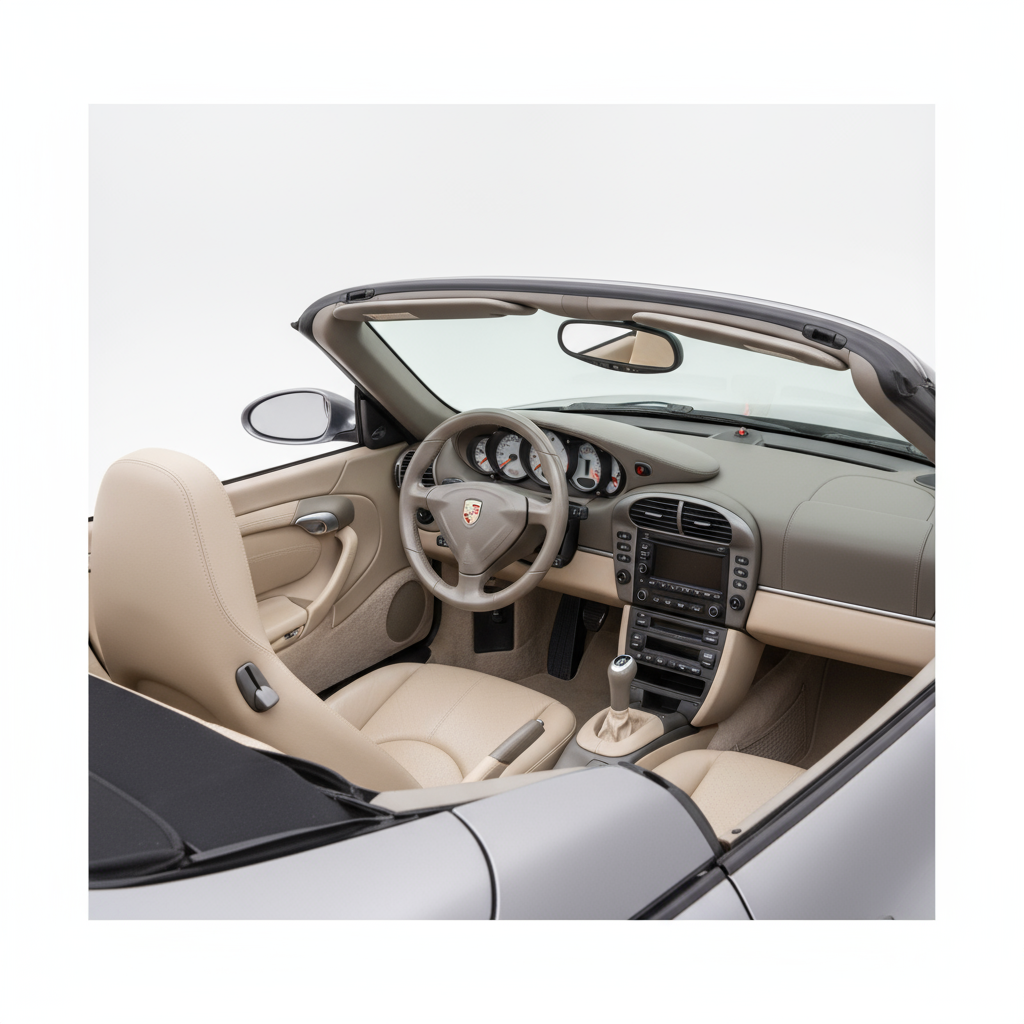
Driving the 911 Carrera Cabrio is a symphony of emotions. The longitudinally mounted six-cylinder rear engine, with its 320 hp and 370 Nm of torque, pushes with an intoxicating force, catapulting you from 0 to 100 km/h in just 5.2 seconds. The top speed of 285 km/h is a testament to its capability, but it's the connection to the road, the precision of its steering, and the agility in every corner that truly captivates. The 6-speed manual transmission allows for total control, making every shift an extension of the driver's will. And with the top down, the engine's roar becomes the perfect soundtrack for a visceral and pure driving experience.
Design and aesthetics
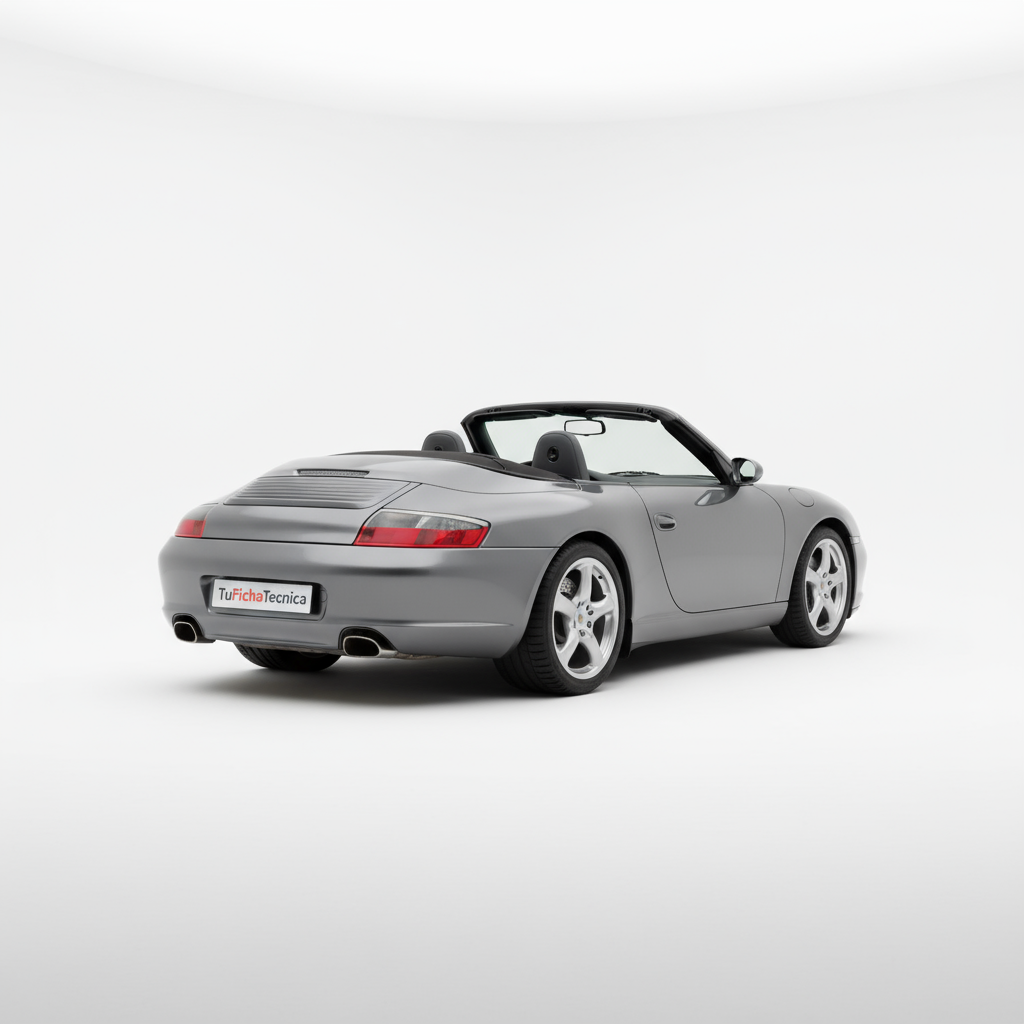
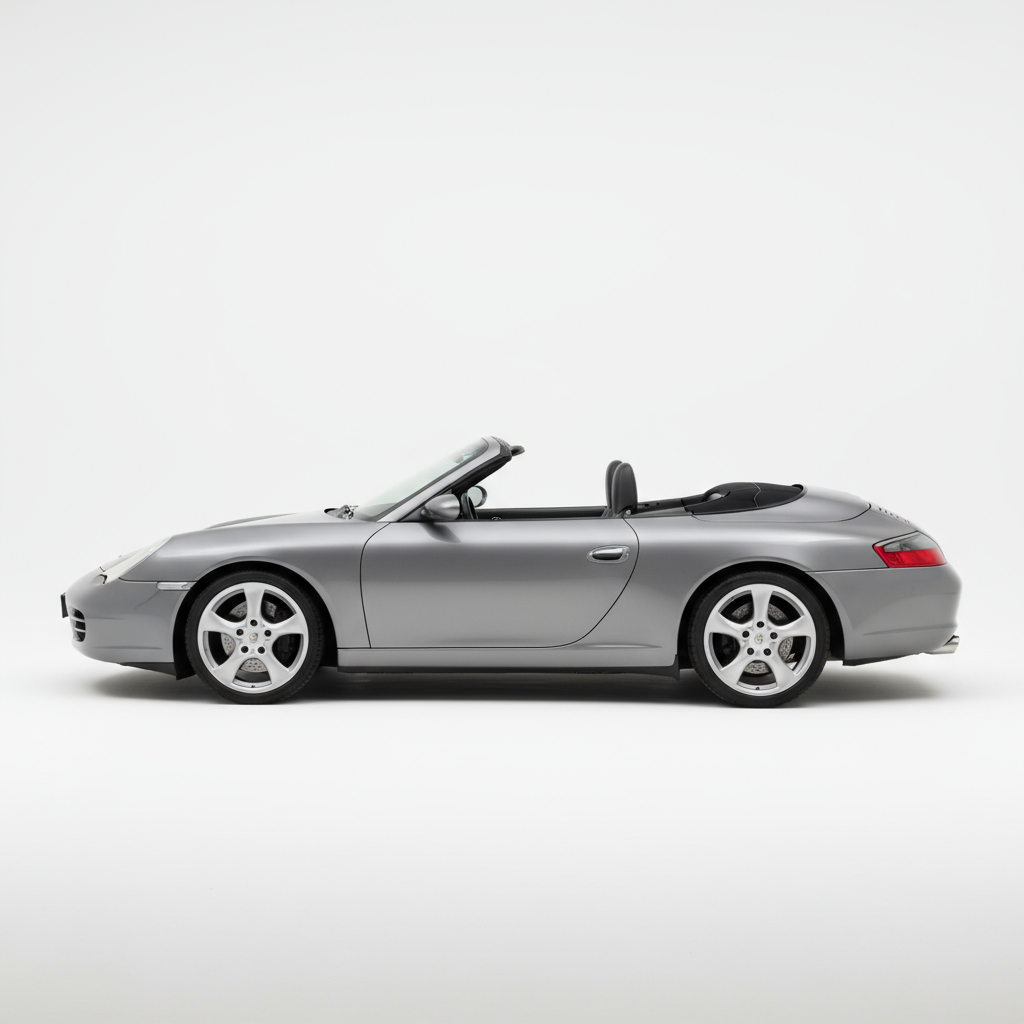
The design of the 2002 Porsche 911 Carrera Cabrio is timeless, an iconic silhouette that has evolved with elegance over the decades. Its fluid and aerodynamic lines are not only aesthetically pleasing but also contribute to its performance. The distinctive headlights, wide stance, and gracefully folding soft top all combine to create an image of sporty sophistication. It's a car that turns heads without being ostentatious, an instant classic that exudes class and power.
Technology and features
Although from 2002, the 911 Carrera Cabrio incorporated advanced technology for its time. Its indirect injection engine with variable intake optimized power delivery and efficiency. The McPherson-type front suspension and deformable parallelogram rear, along with anti-roll bars, ensured exceptional handling and impressive stability. The 318 mm front and 299 mm rear ventilated disc brakes offered powerful and safe braking capability. The rack-and-pinion steering provided direct and precise response, fundamental to the sporty driving experience that Porsche has always offered.
Competition
In its segment, the 2002 Porsche 911 Carrera Cabrio faced rivals such as the Mercedes-Benz SL, the BMW M3 Cabrio, or the Audi TT Roadster of the era. Each offered its own interpretation of luxury and convertible sportiness, but the 911 stood out for its driving purity, its rear engine, and its unmistakable legacy. While others might offer more comfort or a different aesthetic, the Porsche has always been the benchmark for those seeking the ultimate connection between man and machine.
Conclusion
The 2002 Porsche 911 Carrera Cabrio is more than a car; it is a statement of intent, a work of engineering and design art. It offers a driving experience that transcends the merely functional, becoming a source of pleasure and emotion. Its combination of power, elegance, and the freedom of a convertible make it a desired classic, a vehicle that continues to captivate motor enthusiasts and represents the pinnacle of German sportiness. It is a car to enjoy, to feel, and to remember.