
Especificaciones y análisis del Porsche Cayman
Power
265HP
Torque
300Nm
Consumption
9.1l/100
Emissions
214g/km
0-100 km/h
5.7s
Top Speed
263km/h
Weight
1435kg
Price
62,306€
Technical summary
Gasolina
Automático 7v
RWD
2 / 3 doors
260 L
65 L
195 kW
Current
Technical specifications
Engine
Capacities
Detailed analysis of the Porsche Cayman PDK · 265 CV (2012)
General description
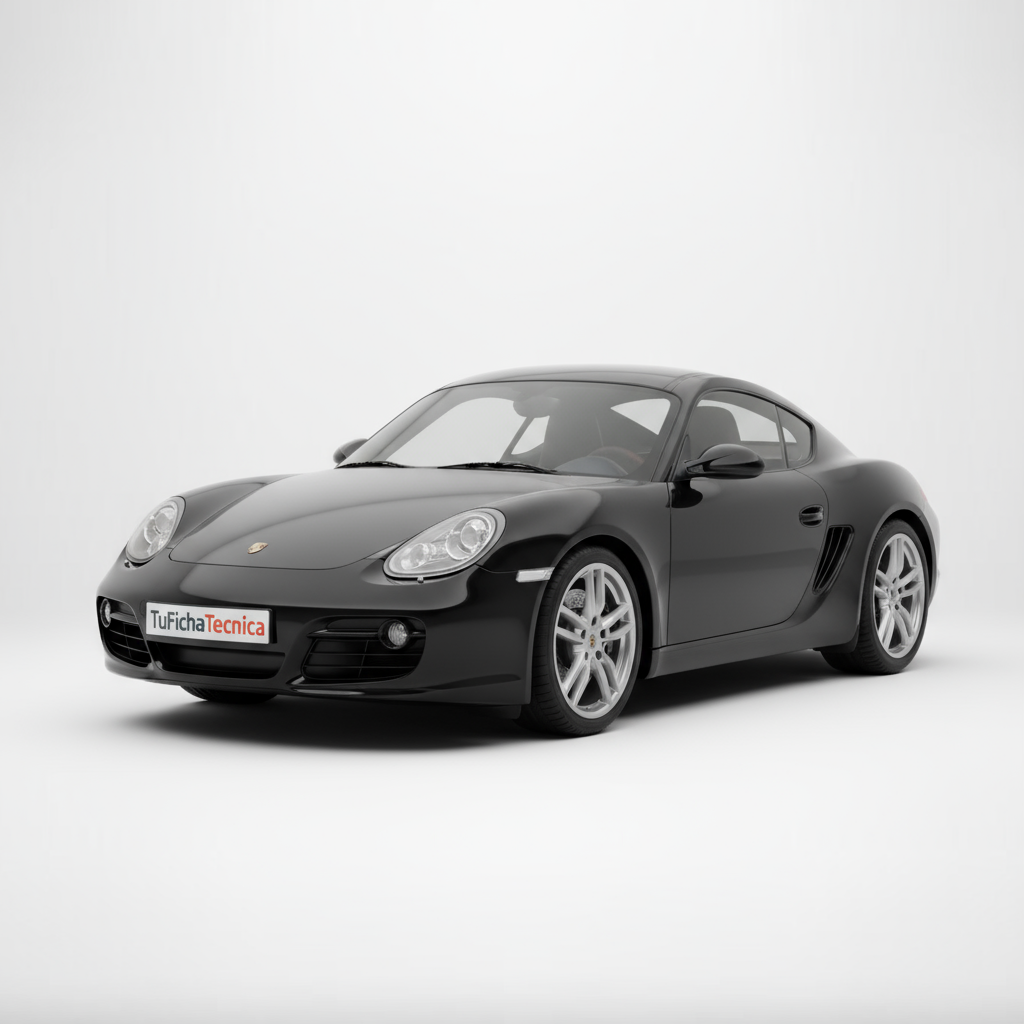
The 2009 Porsche Cayman, in its PDK version, is a jewel of German engineering that encapsulates the essence of pure sportiness. With its mid-engine and a dual-clutch automatic transmission, this two-seater coupe promises an unparalleled driving experience, combining performance and sophistication in a compact and exciting package. It's a car that, from the first glance, invites you to devour miles with a smile.
Driving experience
Driving the Cayman PDK is a symphony of sensations. The 2.9-liter boxer engine, with its 265 hp, roars with an intoxicating melody that filters into the cabin, especially when stretched to 7200 rpm. The 0 to 100 km/h acceleration in 5.7 seconds is forceful, but it's the agility in corners that truly captivates. The precise and communicative hydraulic steering connects you directly to the asphalt, while the McPherson-type suspension, both front and rear, offers a perfect balance between comfort and firmness. Each gear change with the PDK transmission is instantaneous and smooth, making the experience fluid and addictive. It's a car that makes you feel part of the machine, an extension of your desires on the road.
Design and aesthetics
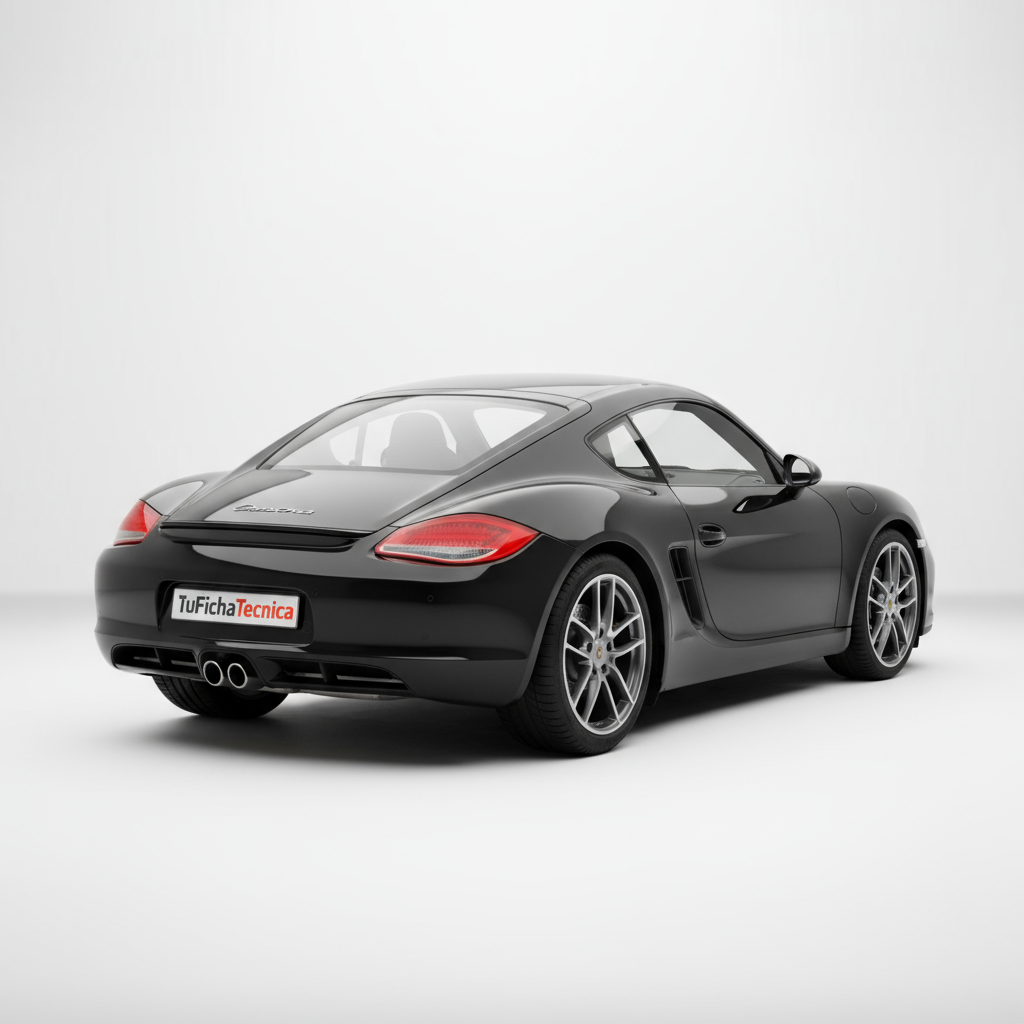
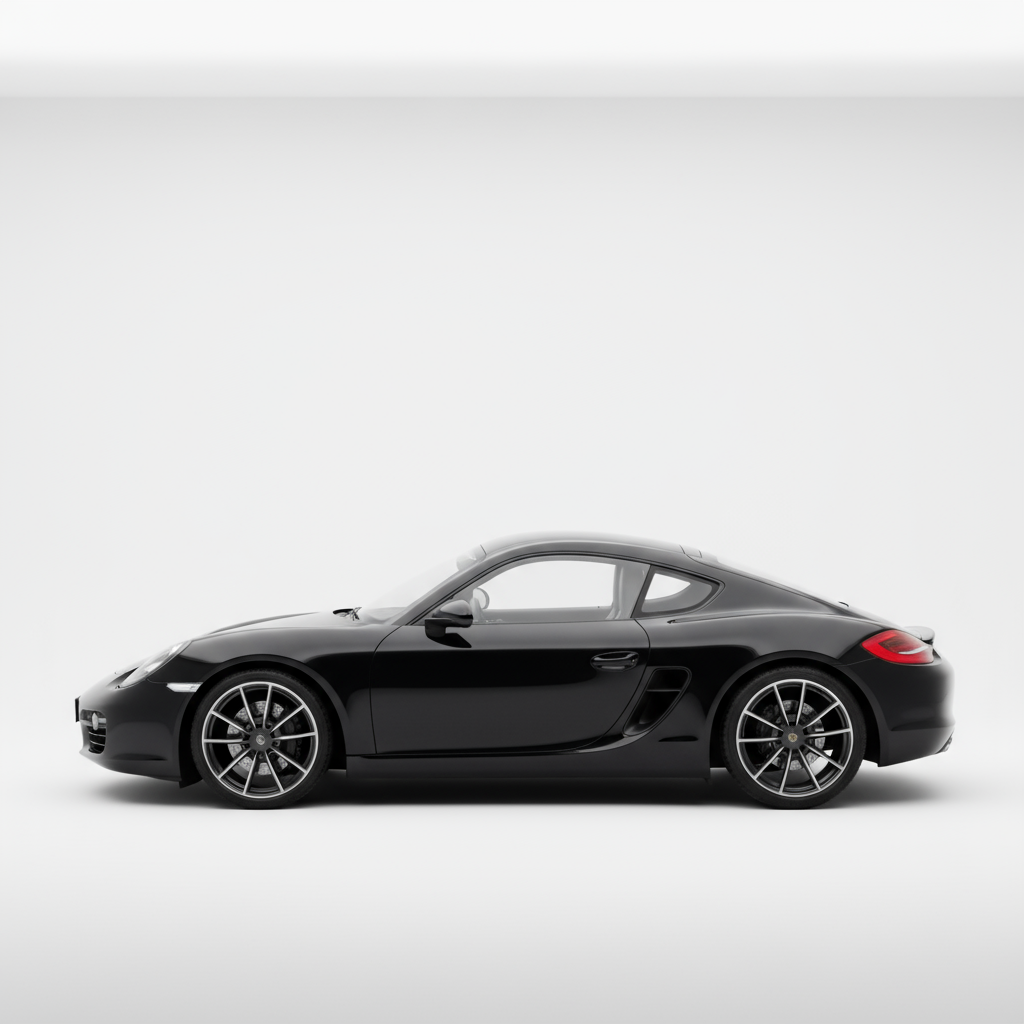
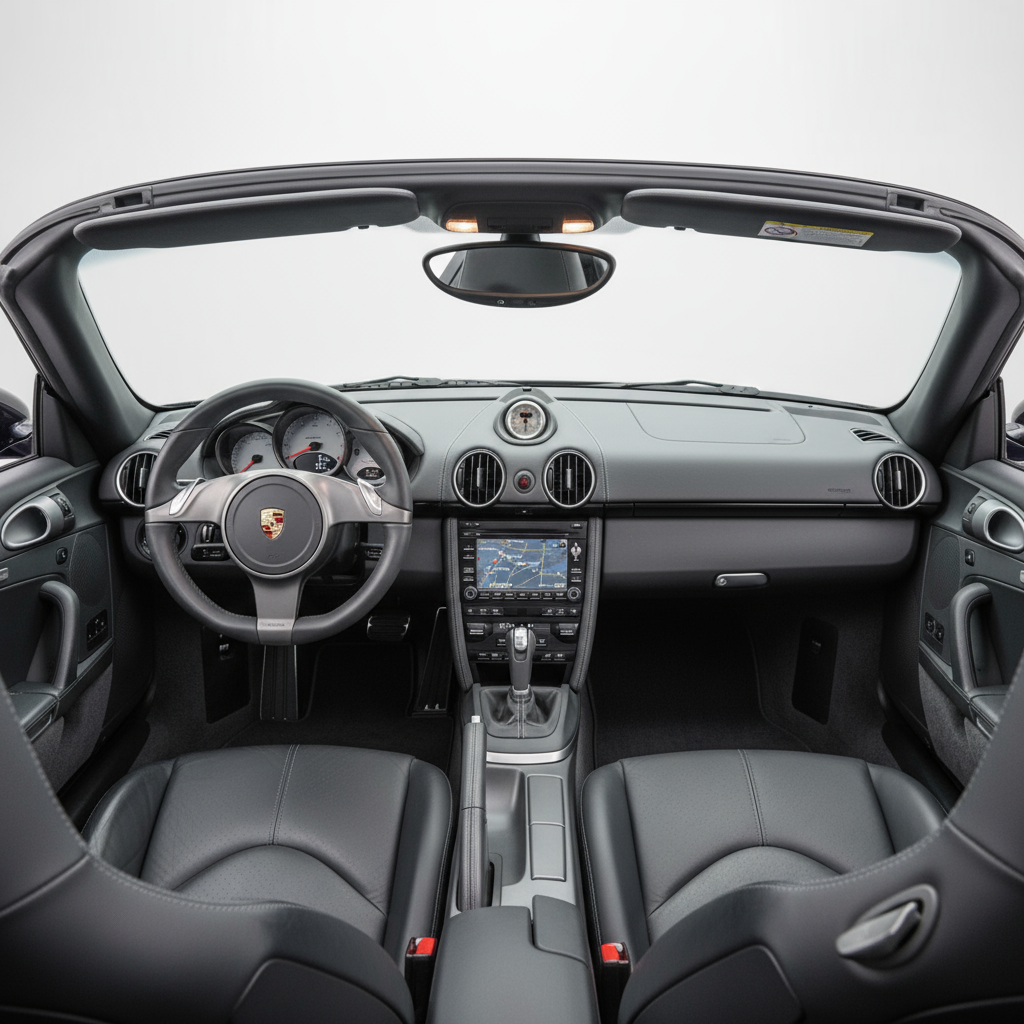
The design of the 2009 Porsche Cayman is timeless and functional. Its fluid lines and low, wide silhouette are not only aesthetically appealing but also contribute to its exceptional aerodynamics. The distinctive headlights and side air intakes are not mere adornments but elements that enhance its sporty character and purpose. The interior, although driver-focused, does not skimp on quality, with materials that convey solidity and an ergonomic design that puts all controls within reach. It's a design that, even years later, still turns heads and evokes admiration.
Technology and features
Despite being a 2009 model, the Cayman PDK incorporated cutting-edge technology for its time. The seven-speed PDK (Porsche Doppelkupplung) transmission was a revolution, offering the speed of a manual shift with the convenience of an automatic. The indirect injection engine with variable intake optimized power delivery and efficiency. The ventilated disc brakes, 318 mm front and 299 mm rear, guaranteed exceptional stopping power. Although it lacks modern touchscreens and driving assistants, its technology focuses on the essentials: mechanics and driving dynamics, offering a pure and unfiltered experience.
Competition
In its segment, the Porsche Cayman PDK faced rivals such as the Audi TT RS, the BMW Z4 M Coupé, and the Lotus Evora. Each offered its own interpretation of sportiness, but the Cayman stood out for its balance, its mid-engine, and the sophistication of its PDK transmission. While the TT RS opted for brute power and all-wheel drive, and the Z4 M for a high-revving inline-six engine, the Cayman offered a more refined and balanced driving experience, with an agility and connection to the road that few could match.
Conclusion
The 2009 Porsche Cayman PDK is more than a sports car; it's a statement of intent. It's a vehicle that invites you to enjoy every curve, every acceleration, and every brake. Its combination of a powerful engine, an exceptional transmission, and a perfectly balanced chassis makes it a pure driving machine. Although its combined consumption of 9.1 l/100km and its emissions of 214 g/km of CO2 reflect its sporty nature, the joy it provides behind the wheel more than compensates for any practical considerations. It's a modern classic that remains relevant and desirable for those seeking the essence of sporty driving.