
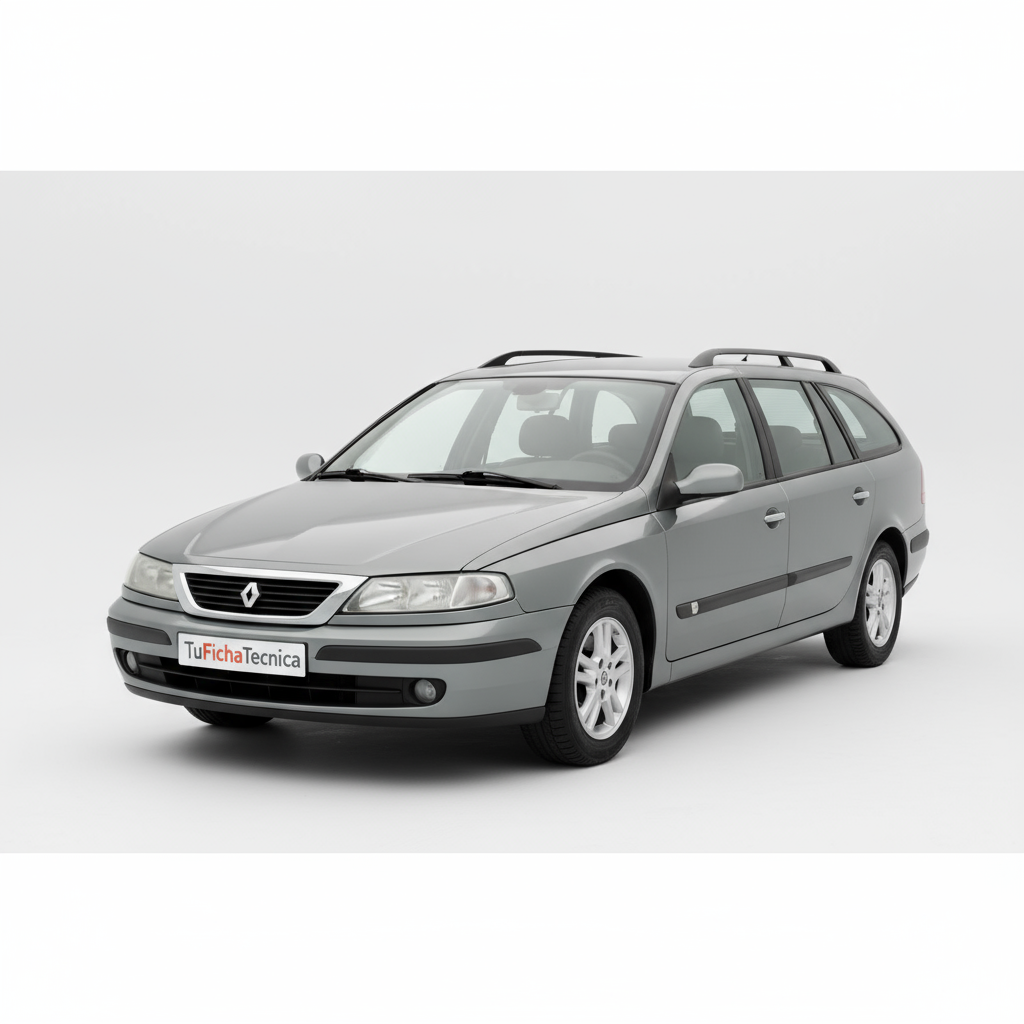
Especificaciones y análisis del Renault Laguna
Power
107HP
Torque
250Nm
Consumption
5.9l/100
Emissions
-g/km
0-100 km/h
12.3s
Top Speed
187km/h
Weight
1360kg
Price
20,200€
Technical summary
Gasóleo
Manual 5v
FWD
5 / 5 doors
520 L
66 L
79 kW
Current
Technical specifications
Engine
Capacities
Detailed analysis of the Renault Laguna Break 1.9 dCi RT · 107 CV (2000-2001)
General description
The 1998 Renault Laguna Break, in its 1.9 dCi RT version, was presented as a robust and functional family option. With a 107 hp diesel engine, it promised a balance between performance and economy, ideal for long journeys and daily use. Its design, although discreet, sought practicality and comfort for all its occupants, consolidating itself as an interesting alternative in the family sedan segment of the time.
Driving experience
Behind the wheel of the Laguna Break 1.9 dCi RT, the predominant sensation was one of solidity and comfort. The diesel engine, with its 107 hp and a torque of 250 Nm at 1750 rpm, offered an adequate response for most situations, without great sporting pretensions but with enough solvency to move the assembly with agility. The suspension, oriented towards comfort, filtered out road irregularities well, making journeys pleasant. The steering, although not outstanding for its sporting precision, fulfilled its function in a car of these characteristics. In general, it was a car that invited calm and to enjoy the journey, without haste but without pause.
Design and aesthetics
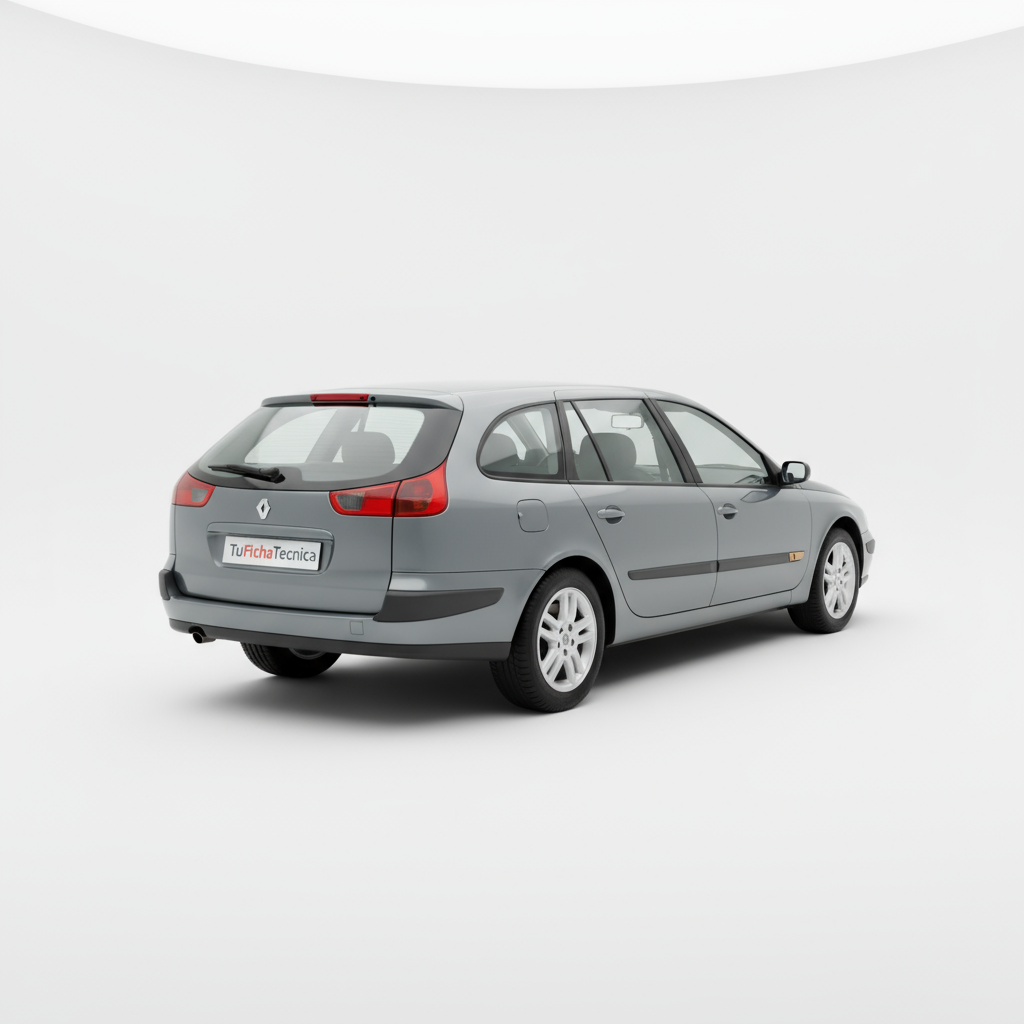
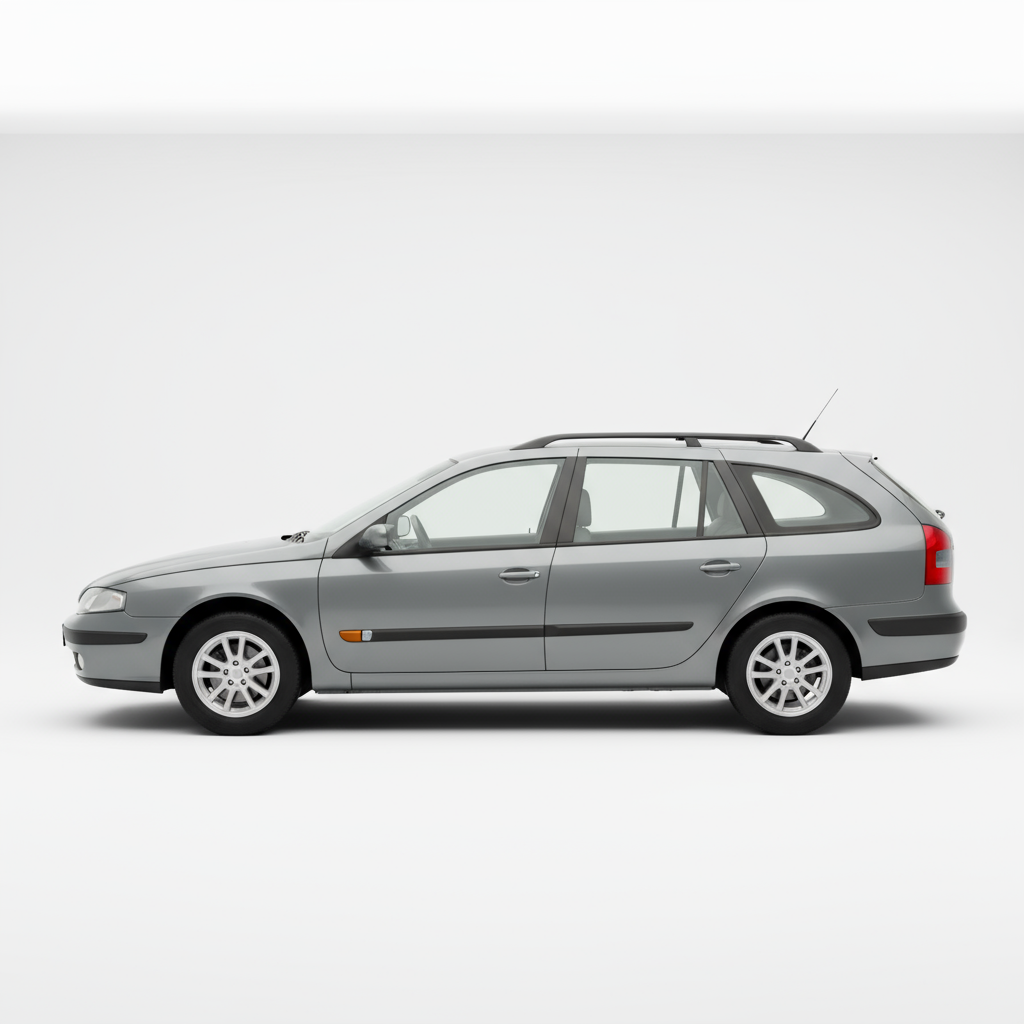
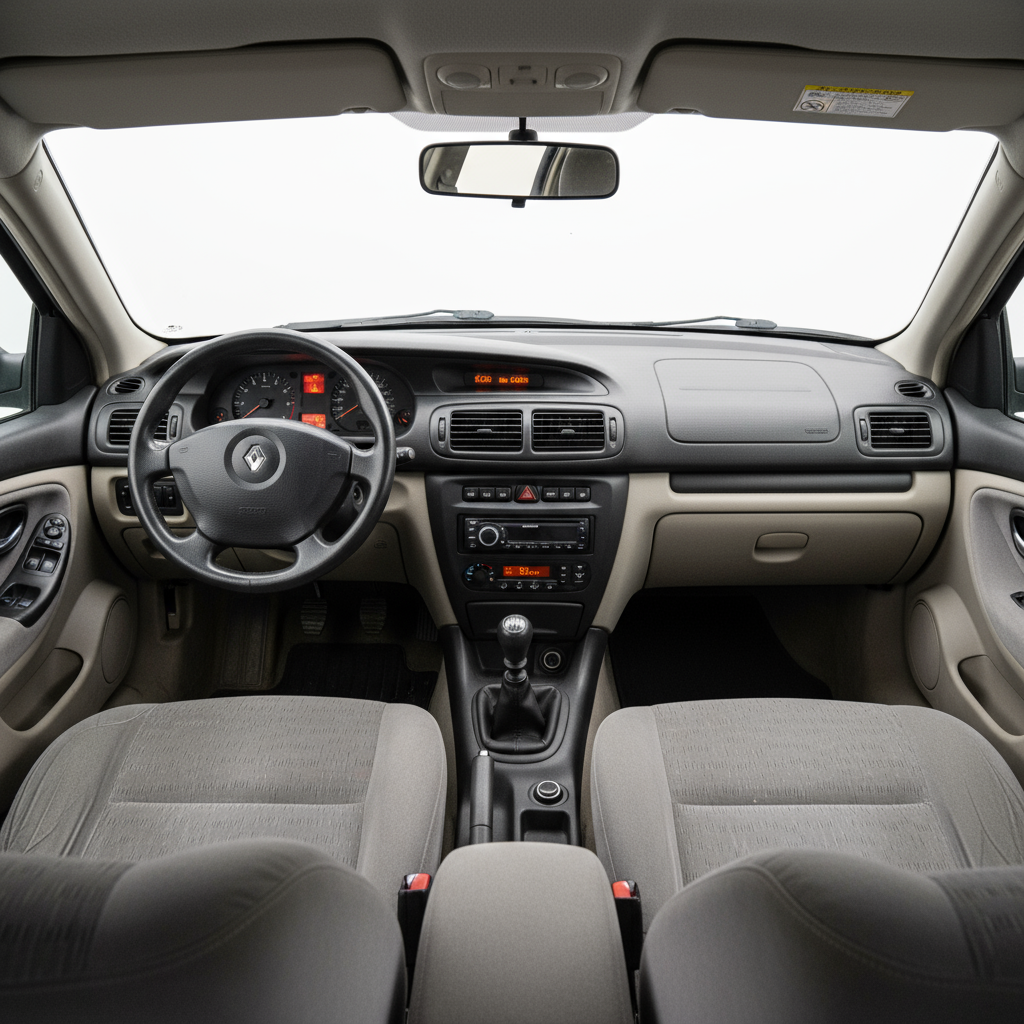
The design of the 1998 Renault Laguna Break was eminently functional and discreet, without great fanfare. Its family body, with five doors, prioritized space and load capacity, offering a 520-liter trunk, very competitive for the time. The lines were soft and rounded, seeking a timeless aesthetic that would not quickly go out of style. Inside, the arrangement of the elements was logical and ergonomic, with materials that, without being luxurious, conveyed a sense of durability and good fit. It was a car designed for family life, where practicality and comfort were the fundamental pillars of its design.
Technology and features
In the technological section, the Laguna Break 1.9 dCi RT incorporated solutions typical of its time. Its common rail direct injection turbo diesel engine was a significant advance in efficiency and performance for the era. The five-speed manual transmission offered smooth and precise handling. In terms of safety, it had ventilated disc brakes at the front and drum brakes at the rear, as well as stabilizers on both axles to improve stability. Although it did not have current driving aids, its equipment was adequate to guarantee a safe and comfortable journey.
Competition
In the market for family sedans of the late 90s, the Renault Laguna Break 1.9 dCi RT faced strong competitors such as the Volkswagen Passat Variant, the Peugeot 406 Break, the Ford Mondeo Wagon, or the Opel Vectra Caravan. Each offered its own virtues, but the Laguna stood out for its ride comfort, its ample interior space, and its efficient diesel engine, which made it a very attractive option for families looking for a practical and reliable car.
Conclusion
The 1998 Renault Laguna Break 1.9 dCi RT was a car that more than fulfilled its purpose: to offer comfortable, spacious, and efficient family transport. Its diesel engine, functional design, and focus on comfort made it a highly valued option in its segment. Although it was not a car that sought excitement behind the wheel, it did offer a pleasant and relaxed driving experience, ideal for daily use and long journeys. A family classic that left a good mark on Renault's history.