
Especificaciones y análisis del Renault Laguna
Power
98HP
Torque
190Nm
Consumption
5.7l/100
Emissions
-g/km
0-100 km/h
12.7s
Top Speed
177km/h
Weight
1360kg
Price
18,481€
Technical summary
Gasóleo
Manual 5v
FWD
5 / 5 doors
520 L
66 L
72 kW
Current
Technical specifications
Engine
Capacities
Detailed analysis of the Renault Laguna Break 1.9dTi RT · 98 CV (2000)
General description
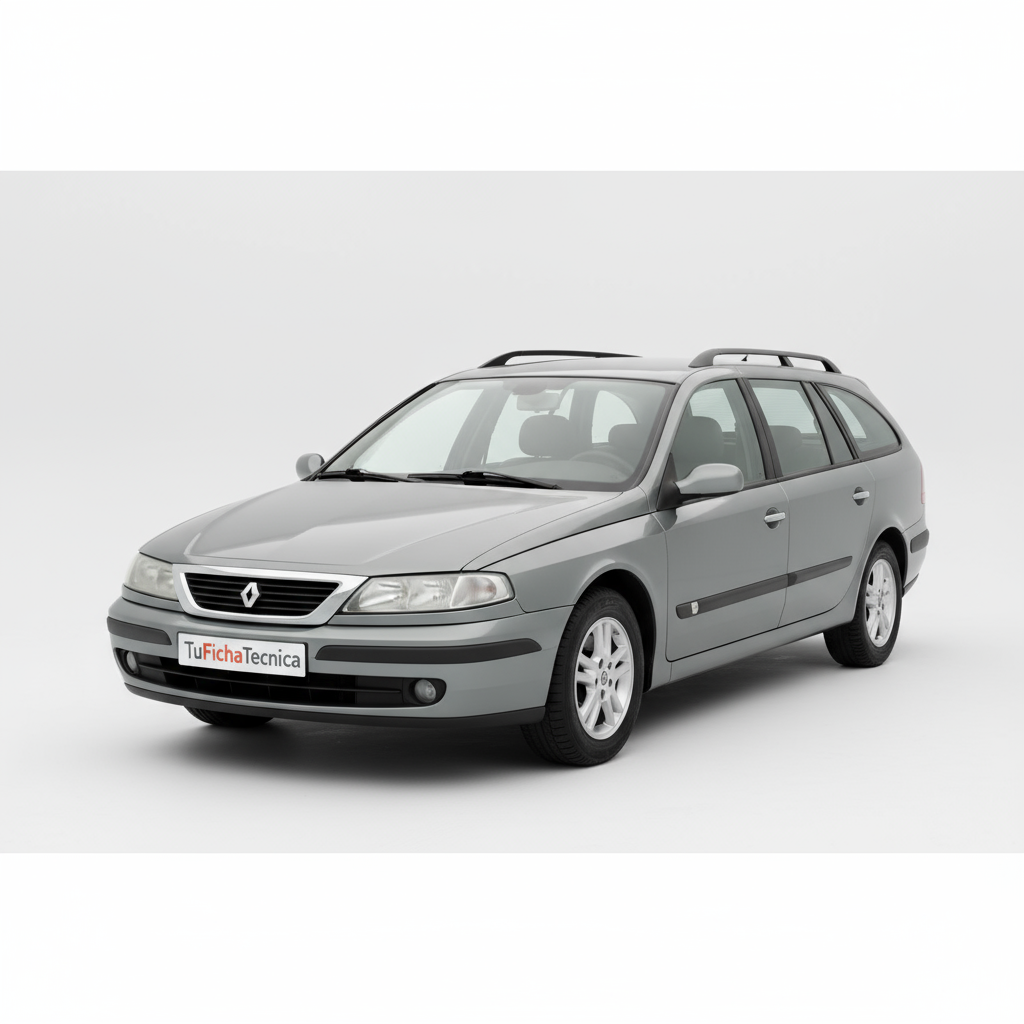
The 1998 Renault Laguna Break 1.9dTi RT, with its 98 HP diesel engine, presented itself as a robust and economical family option for its time. This model, with a station wagon body, aimed to offer a balance between space, comfort, and contained consumption, ideal for long journeys and a family's daily life.
Driving experience
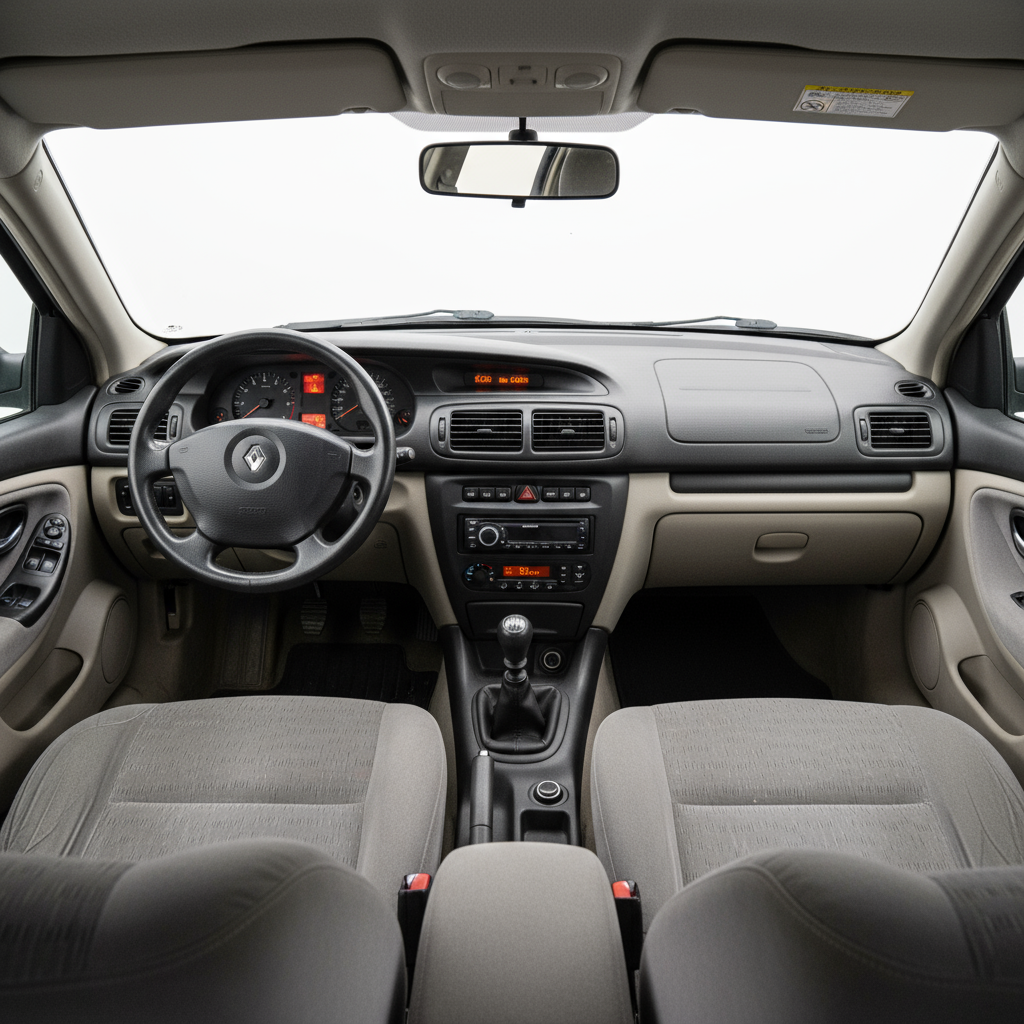
Behind the wheel of the Laguna Break, the predominant feeling was one of solidity and comfort. The diesel engine, although not outstanding for its explosiveness, offered sufficient torque to move the assembly with ease, especially on the road. The comfort-oriented suspension absorbed road irregularities well, making journeys pleasant. The steering, while not the most direct, conveyed security, and the five-speed manual gearbox allowed for smooth and predictable handling. It was not a car for strong emotions, but for enjoying tranquility on every kilometer.
Design and aesthetics
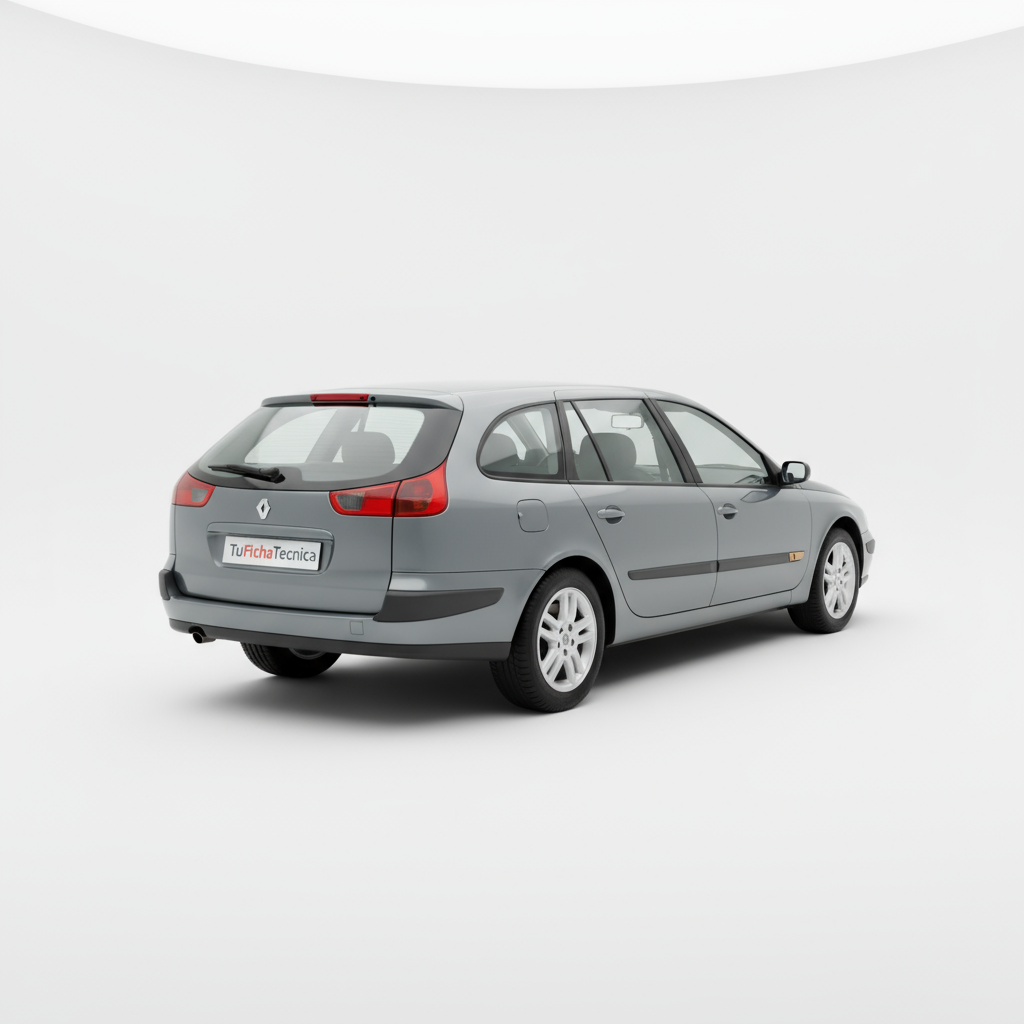
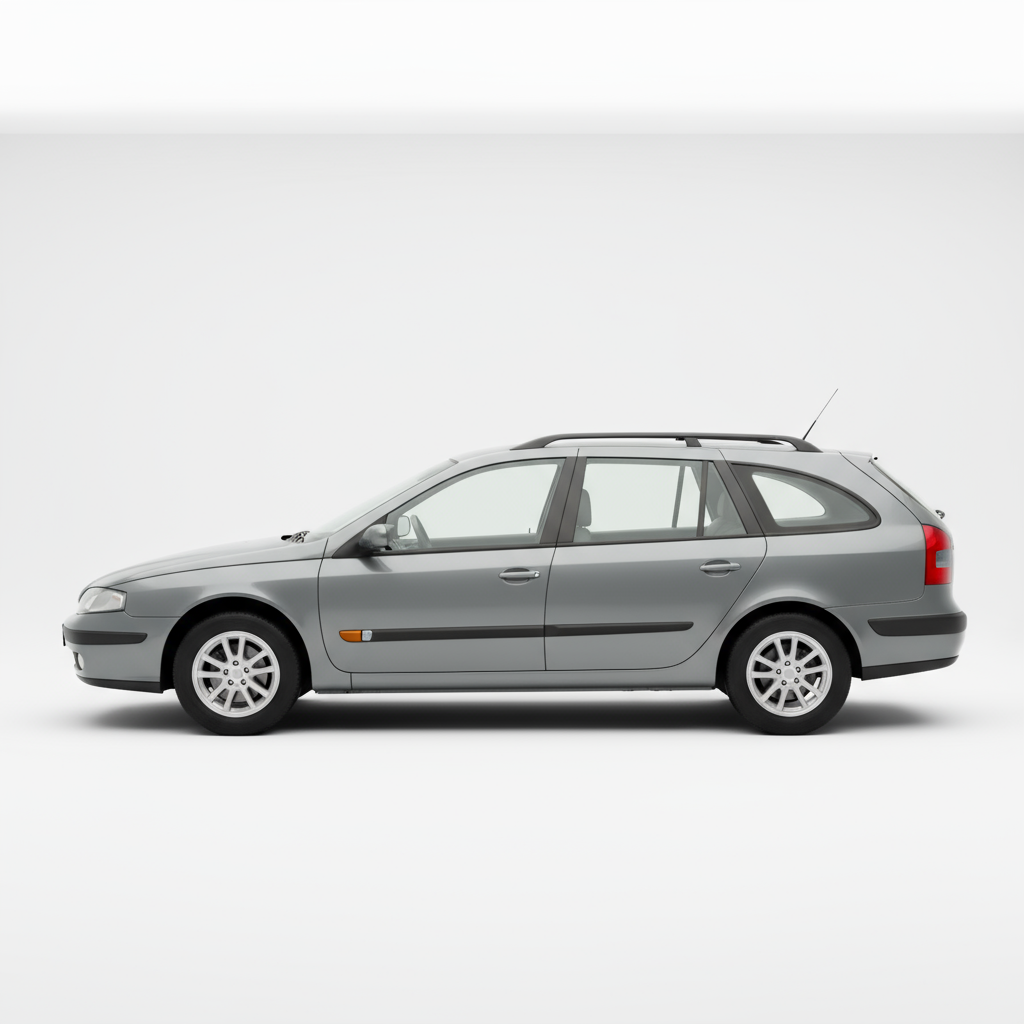
The design of the 1998 Laguna Break followed the sober and functional lines of the era, with an aesthetic that prioritized practicality. Its station wagon body, with a length of 4628 mm, offered a generous 520-liter trunk, ideal for cargo needs. The rounded shapes and absence of ostentation gave it a timeless and discreet image, which did not seek to attract attention, but to fulfill its purpose as a family vehicle.
Technology and features
In terms of technology, the Laguna Break 1.9dTi RT incorporated what was expected for a car of its segment and year. Its direct injection diesel engine with turbo, 1870 cc and 98 HP, was an efficient propulsion system for its time, offering a combined consumption of 5.7 l/100km. It had a 5-speed manual gearbox and front-wheel drive. In terms of safety and comfort, it featured elements such as McPherson front suspension and trailing arm with torsional element rear suspension, ventilated front disc brakes and rear drum brakes, and power steering, which contributed to safe and comfortable driving.
Competition
In its segment, the Renault Laguna Break 1.9dTi RT competed with models such as the Peugeot 406 Break, the Ford Mondeo Wagon, or the Opel Vectra Caravan. All of them offered similar proposals in terms of space and functionality, seeking to attract families who valued cargo capacity and comfort on their journeys. The Laguna stood out for its focus on comfort and its efficient diesel engine.
Conclusion
The 1998 Renault Laguna Break 1.9dTi RT was an honest and functional car, designed to meet the expectations of families of its time. Its combination of space, comfort, and an economical diesel engine made it a very sensible option for those looking for a reliable and practical vehicle for daily life and travel. Although it did not stand out for its sportiness, its overall balance and good road behavior made it a very pleasant travel companion.