

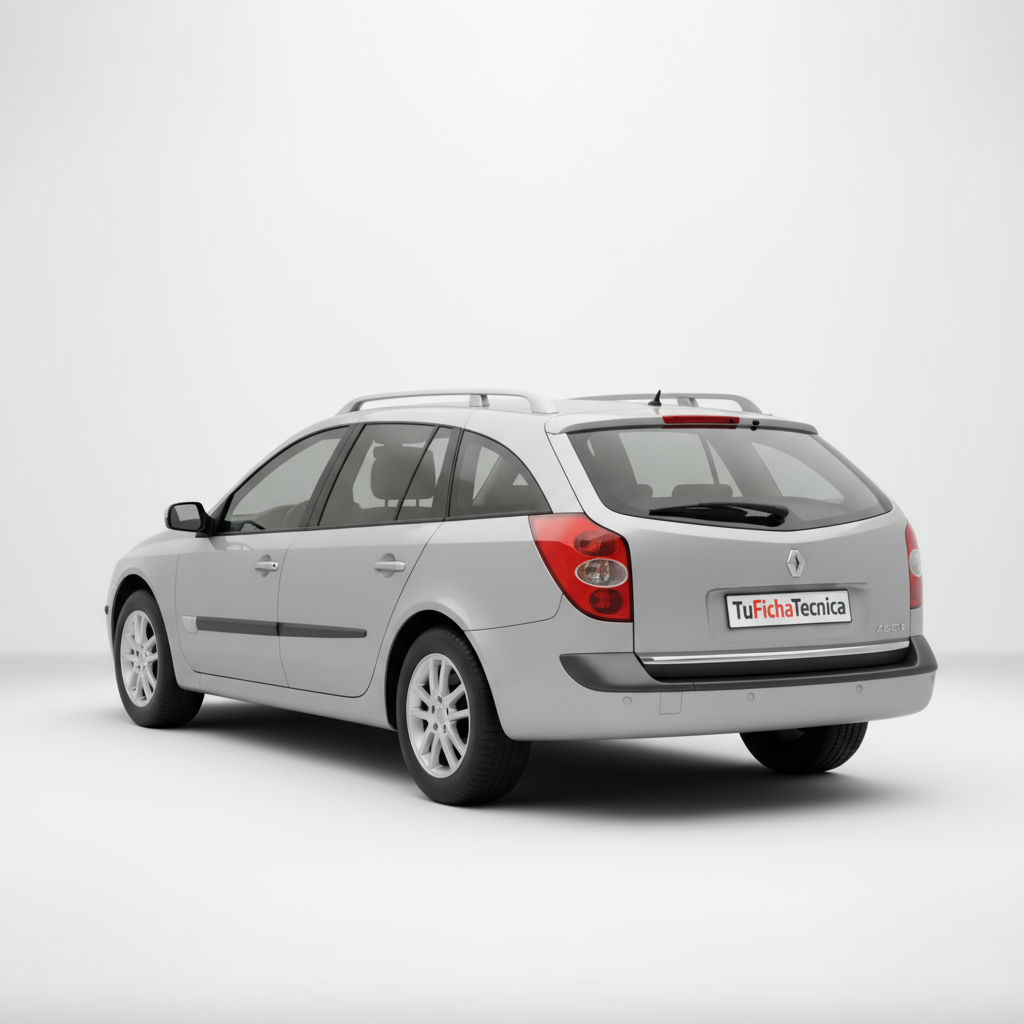
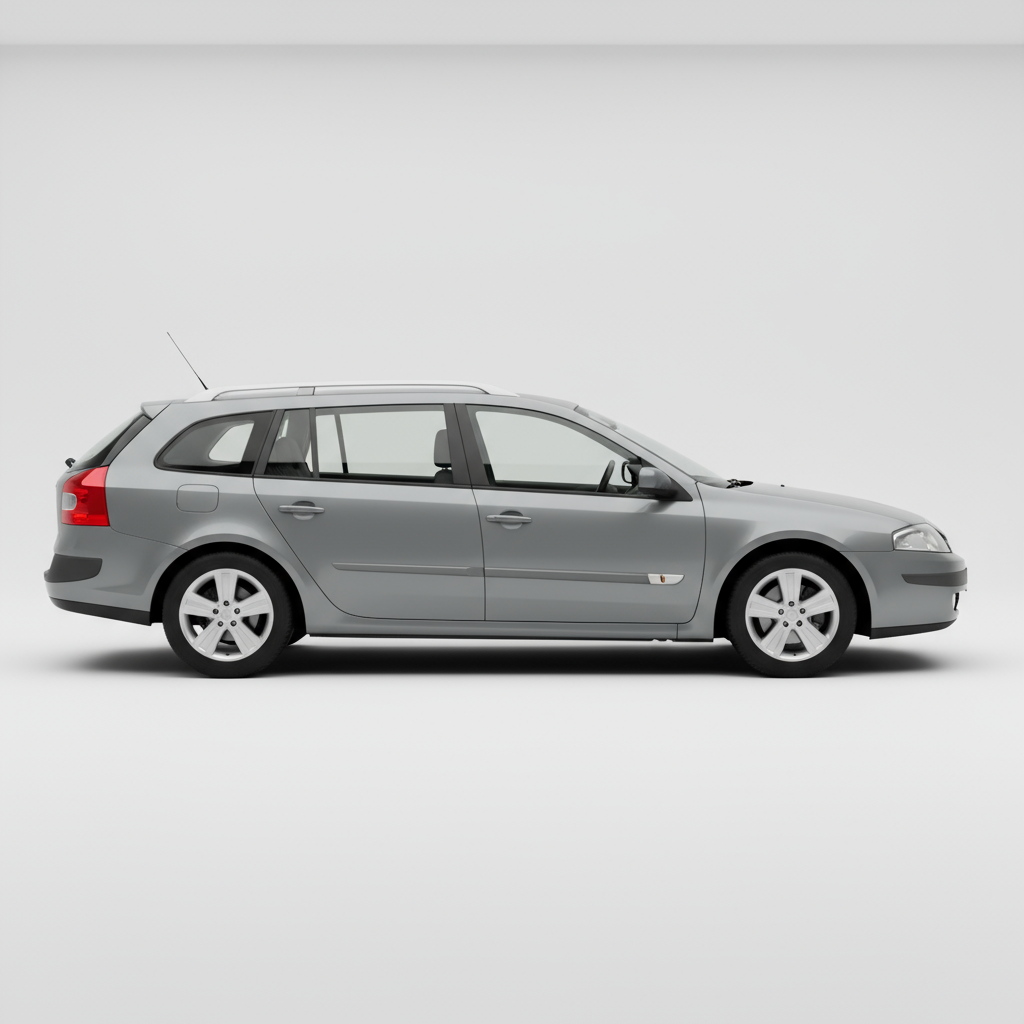
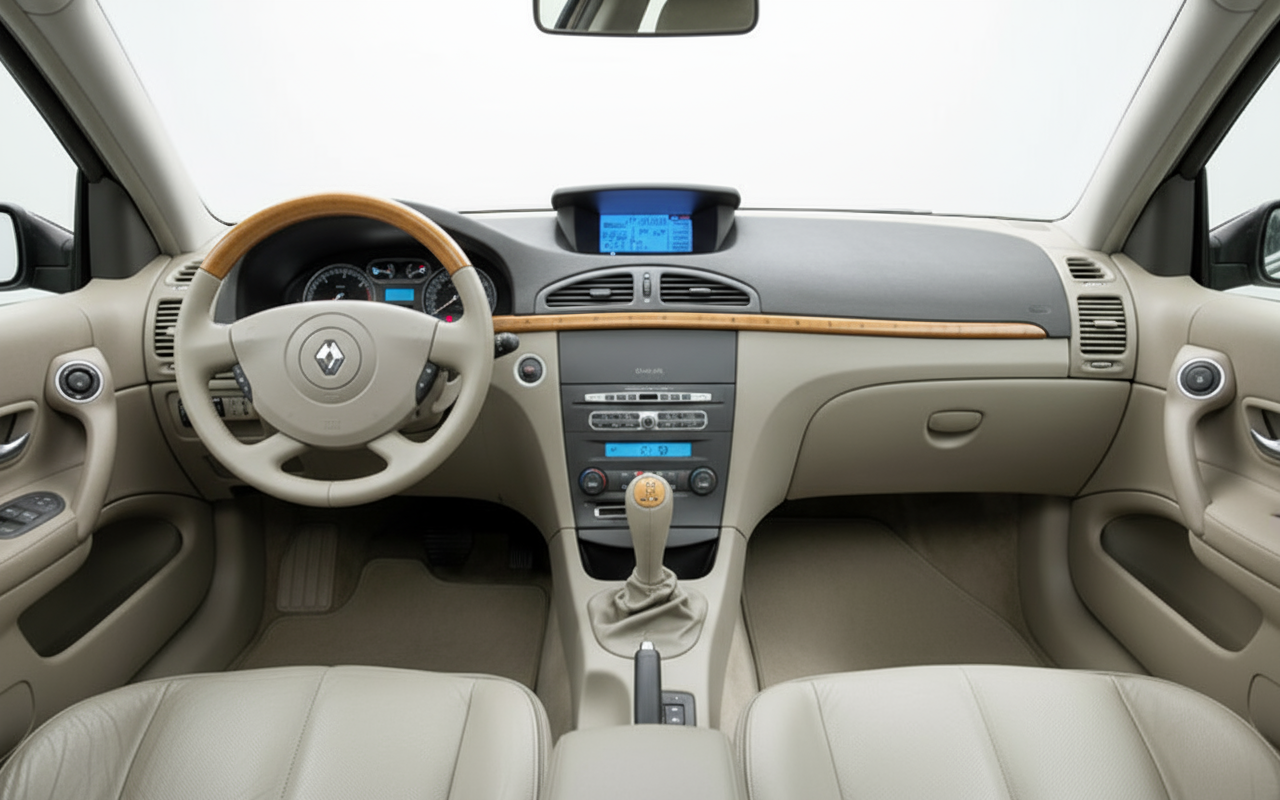
Especificaciones y análisis del Renault Laguna
Power
173HP
Torque
360Nm
Consumption
6.2l/100
Emissions
167g/km
0-100 km/h
8.6s
Top Speed
222km/h
Weight
1535kg
Price
30,100€
Technical summary
Gasóleo
Manual 6v
FWD
5 / 5 doors
475 L
68 L
127 kW
Current
Technical specifications
Engine
Capacities
Detailed analysis of the Renault Laguna Grand Tour 2.0 dCi 175 CV GT (2006)
General description
The 2005 Renault Laguna Grand Tour 2.0 dCi 175 CV GT is a proposition that combines the versatility of an estate car with a powerful diesel engine and a sporty touch. This model, with its 173 HP engine, promised a balance between performance and efficiency, ideal for those looking for a car capable of tackling long journeys with comfort and solvency. Its design, although already a few years old, maintained the characteristic elegance of the French brand, offering generous interior space and equipment designed for family comfort.
Driving experience
Behind the wheel, the Laguna Grand Tour 2.0 dCi 175 CV GT offered a rewarding driving experience. The 173 HP diesel engine responded forcefully from low revs, delivering 360 Nm of torque at 1750 rpm, which translated into 0 to 100 km/h acceleration in 8.6 seconds and a top speed of 222 km/h. The six-speed manual gearbox allowed the engine's capabilities to be fully exploited, while the suspension, although comfort-oriented, maintained good stability on the road. The rack-and-pinion steering offered good precision, contributing to a feeling of control and safety. Overall, it was a car that invited you to devour kilometers with a sense of solidity and unexpected agility for an estate car of its size.
Design and aesthetics
The design of the 2005 Renault Laguna Grand Tour was characterized by its fluid and elegant lines, typical of Renault's aesthetic at the time. The estate body, with its 4713 mm length, 1774 mm width, and 1439 mm height, offered a balanced and functional silhouette. GT details, such as the 17-inch wheels with 225/45 R17 tires, gave it a more dynamic and sporty touch. Inside, spaciousness was the dominant feature, with a 475-liter boot that made it very practical for daily use and travel. The materials and finishes, although not luxurious, conveyed a sense of quality and durability, with a functional and ergonomic design.
Technology and features
In terms of technology, the Laguna Grand Tour 2.0 dCi 175 CV GT incorporated advanced solutions for its time. The 1995 cc diesel engine, with common rail direct injection, variable geometry turbo, and intercooler, was an example of efficiency and performance. The six-speed manual transmission optimized fuel consumption and performance. In terms of safety, it featured 308 mm ventilated disc brakes on the front axle and 274 mm discs on the rear, ensuring effective braking. Although details on driving assistance systems are not specified, it is expected that it would have the active and passive safety elements typical of a car of its category and year.
Competition
In its segment, the Renault Laguna Grand Tour 2.0 dCi 175 CV GT faced tough competitors such as the Volkswagen Passat Variant, the Ford Mondeo Sportbreak, or the Peugeot 407 SW. Each of them offered their own virtues, but the Laguna stood out for its balance between comfort, performance, and a distinctive design. Its 173 HP diesel engine placed it in an advantageous position compared to some of its alternatives in terms of power and response, while its focus on comfort and interior space made it a very attractive option for families.
Conclusion
The 2005 Renault Laguna Grand Tour 2.0 dCi 175 CV GT was a car that successfully combined the functionality of an estate car with a high-performance diesel engine. It offered a pleasant driving experience, an elegant design, and a spacious and comfortable interior. It was an ideal option for those looking for a versatile vehicle, capable of tackling both daily commutes and long journeys with solvency and a touch of dynamism. Despite its age, its proposition remains interesting for those who value comfort, space, and a powerful engine in an estate format.