
Especificaciones y análisis del Renault Mégane
Power
98HP
Torque
190Nm
Consumption
5.2l/100
Emissions
-g/km
0-100 km/h
12.3s
Top Speed
185km/h
Weight
1145kg
Price
15,025€
Technical summary
Gasóleo
Manual 5v
FWD
5 / 5 doors
348 L
60 L
72 kW
Current
Technical specifications
Engine
Capacities
Detailed analysis of the Renault Megane 5p 1.9 dTi RTE · 98 CV (1999-2000)
General description
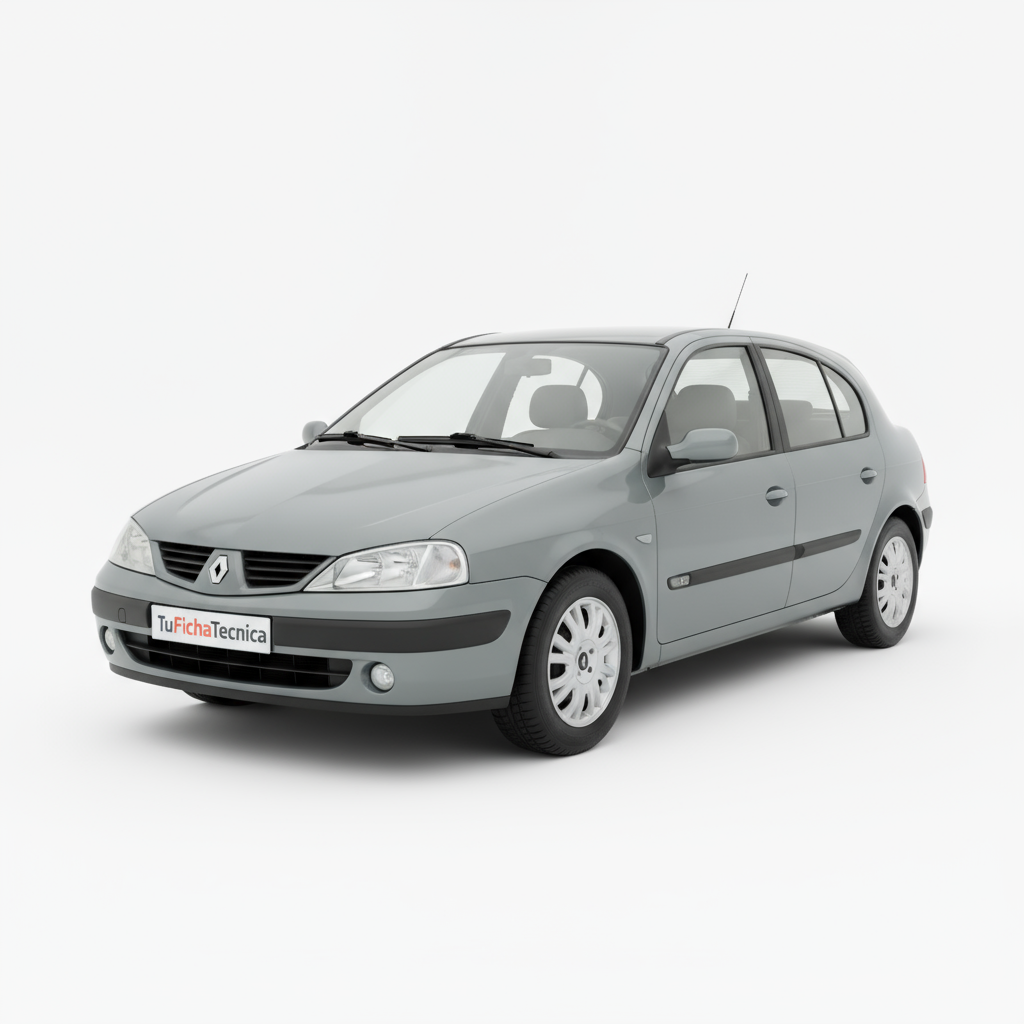
The 1999 Renault Mégane 5p 1.9 dTi RTE is a vehicle that, at first glance, presents itself as a practical and economical option for everyday use. With its 98 hp diesel engine, it promised a balance between performance and efficiency, highly valued characteristics in its time. This model, in its five-door version, aimed to offer versatility and comfort for the family, without sacrificing a style that, although discreet, was recognizable within the Renault range of the late 90s.
Driving experience
Behind the wheel of the Mégane 1.9 dTi, the predominant sensation is that of an honest and functional car. The diesel engine, with its 98 hp and a torque of 190 Nm at 2000 rpm, offers an adequate response for urban and road driving, albeit without great sporting pretensions. Acceleration from 0 to 100 km/h in 12.3 seconds and a top speed of 185 km/h place it in a correct performance range for its segment and year. The suspension, McPherson type at the front and trailing arm with torsional element at the rear, seeks a compromise between comfort and stability, absorbing road irregularities without transmitting excessive vibrations to the cabin. The steering, although lacking the precision of more modern models, fulfills its function, offering a predictable and safe driving experience. The combined consumption of 5.2 l/100km was a strong point, making this Mégane an economical travel companion.
Design and aesthetics
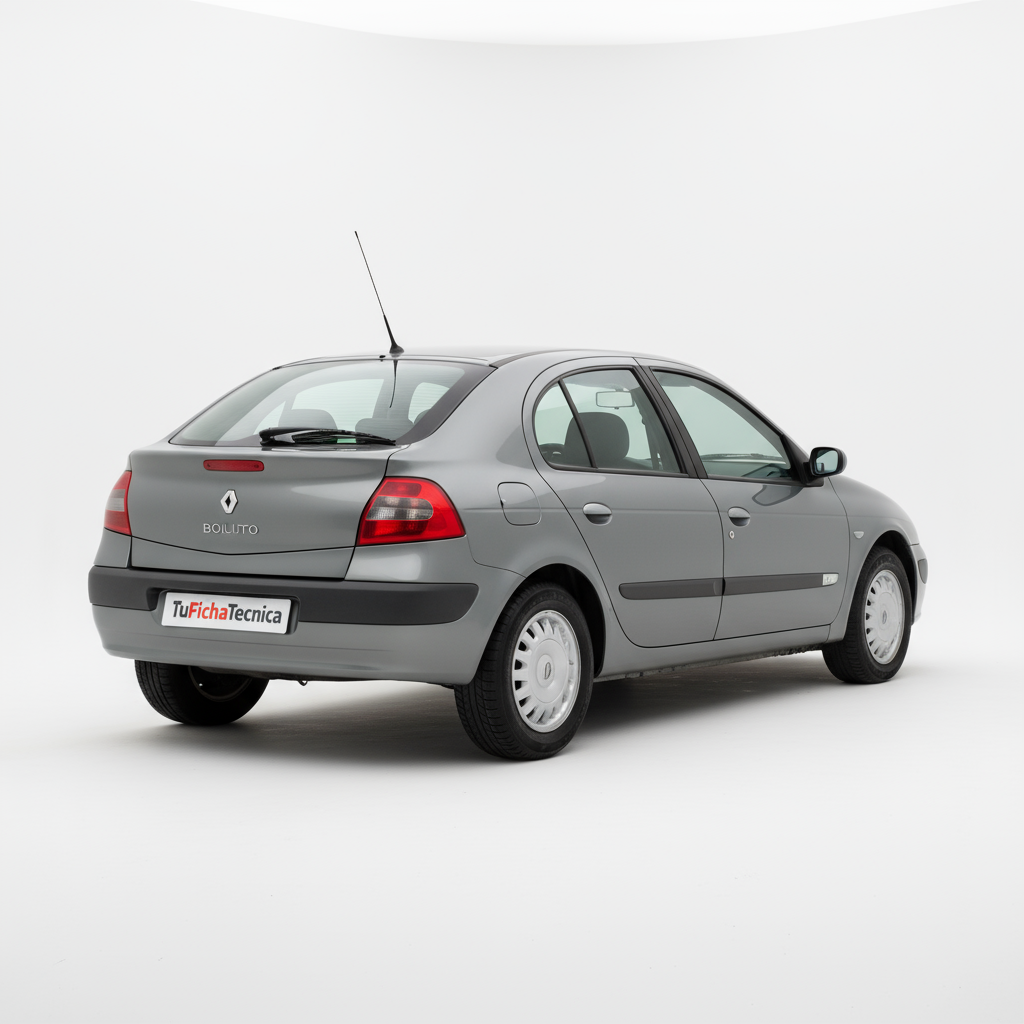
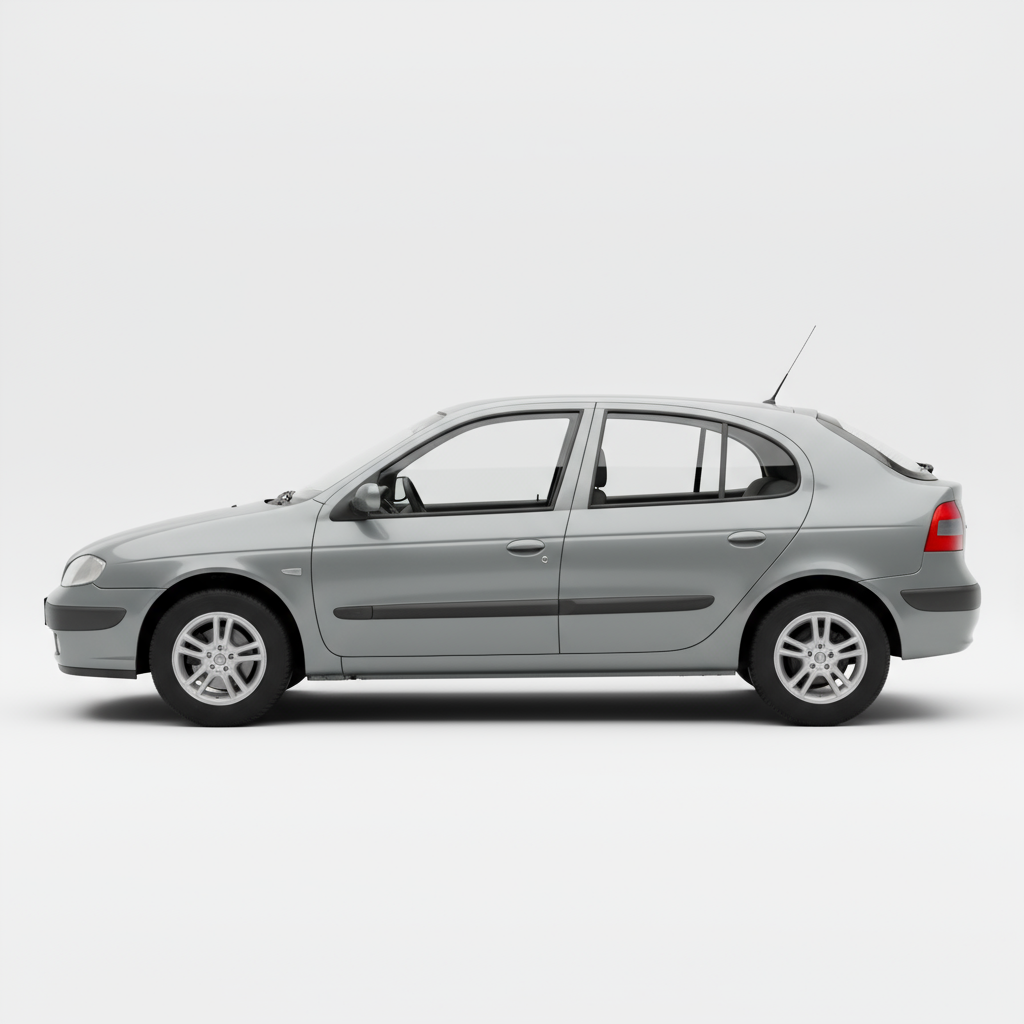
The design of the 1999 Renault Mégane is part of the late 90s aesthetic, with soft and rounded lines that sought a modern and aerodynamic image. The five-door version emphasizes functionality, with comfortable access to the rear seats and a 348-liter trunk, sufficient for family luggage. Its dimensions, with 4129 mm long, 1699 mm wide and 1420 mm high, made it a compact car but with reasonable interior habitability. Although it did not stand out for a groundbreaking aesthetic, its design was consistent with Renault's philosophy of offering practical and attractive vehicles for a wide audience.
Technology and features
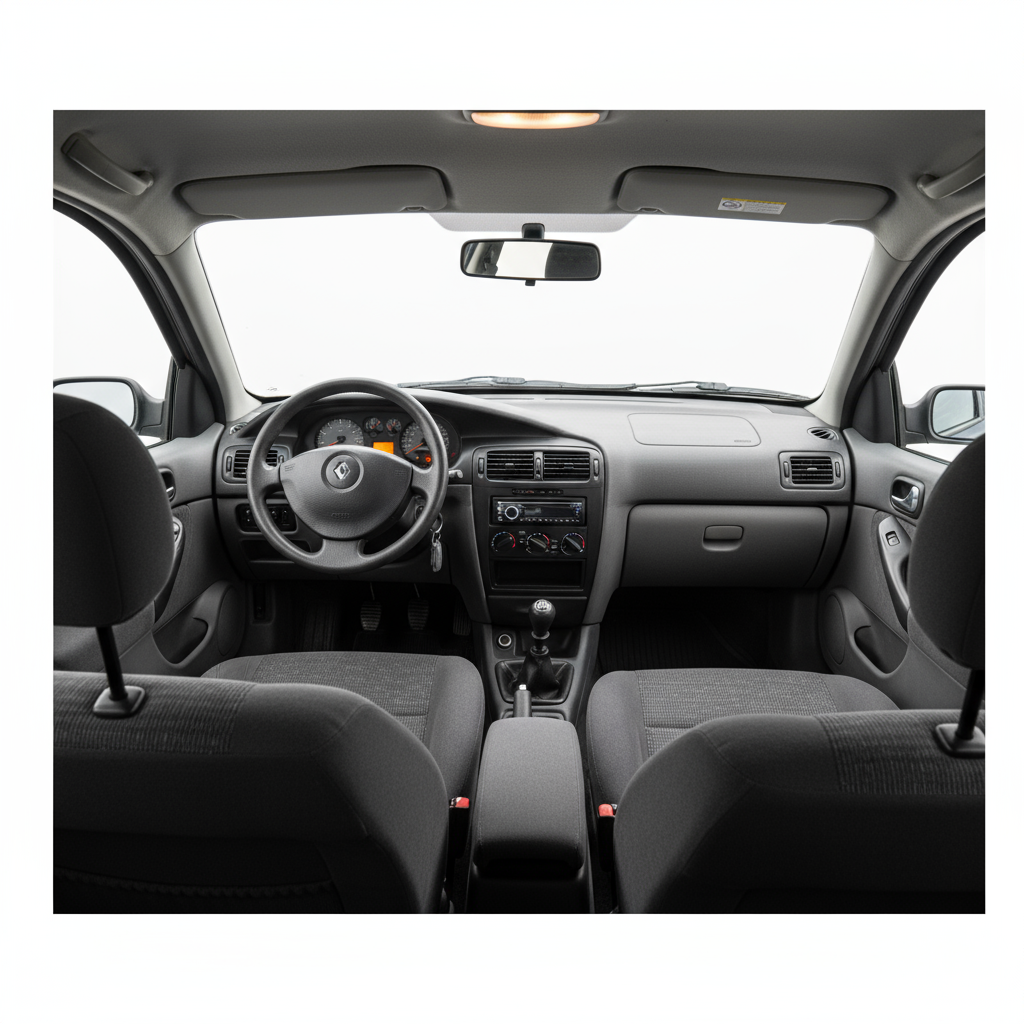
In the technological section, the 1999 Mégane 1.9 dTi RTE incorporated the usual solutions for its time. The direct injection turbo diesel engine, with 1870 cc and 4 cylinders, was a sample of Renault's commitment to efficiency in diesel engines. The 5-speed manual transmission was the standard, offering direct control over power delivery. In terms of safety, it had ventilated disc brakes at the front and drum brakes at the rear, a common configuration that provided effective braking. Power steering, although its type is not specified, was an indispensable comfort element. In terms of equipment, the RTE version was positioned as an intermediate option, offering the essentials for a pleasant driving experience without excessive luxuries.
Competition
In the competitive compact segment of the late 90s, the Renault Mégane 1.9 dTi RTE faced tough rivals. Models such as the Volkswagen Golf, Opel Astra, Ford Focus or Peugeot 306 were its main competitors. Each offered its own virtues, whether in terms of finish quality, driving dynamics or equipment. The Mégane was positioned as a balanced alternative, standing out for its comfort, its efficient diesel engine and its competitive price, seeking to attract those buyers who valued practicality and cost of use above pure performance or luxury.
Conclusion
The 1999 Renault Mégane 5p 1.9 dTi RTE was a car that more than fulfilled its purpose: to offer reliable, economical and comfortable transport for the family. Its diesel engine, although not the most powerful, stood out for its efficiency and its ability to move the car with ease in most situations. Its design, although discreet, was functional and timeless. In short, a vehicle that, without being an icon of sportiness or luxury, earned a place in the hearts of many drivers for its honesty and its good performance in everyday life. It represents an era when practicality and economy were fundamental pillars in choosing a family car.