
Especificaciones y análisis del Renault Mégane
Power
98HP
Torque
127Nm
Consumption
7l/100
Emissions
-g/km
0-100 km/h
12s
Top Speed
182km/h
Weight
1135kg
Price
16,390€
Technical summary
Gasolina
Manual 5v
FWD
5 / 5 doors
485 L
60 L
72 kW
Current
Technical specifications
Engine
Capacities
Detailed analysis of the Renault Megane Break 1.4 16v Fairway · 98 CV (2000-2003)
General description
The 1999 Renault Mégane Break 1.4 16v Fairway is a vehicle that, despite its age, still evokes a sense of practicality and reliability. This model, with its estate body, was designed for those seeking space and comfort without sacrificing agility in everyday use. Its 98 hp gasoline engine, while not a powerhouse, promises adequate performance for most situations, with a combined consumption of 7 l/100km that made it competitive in its time. It was a car that, at the time, represented a sensible and accessible option for many families.
Driving experience
Behind the wheel of the Mégane Break 1.4 16v Fairway, the predominant feeling is one of comfort and ease of handling. The steering, although lacking the precision of more modern models, is smooth and predictable, facilitating maneuvers in the city. The 98 hp engine, with its torque of 127 Nm at 3750 rpm, offers progressive response, ideal for relaxed driving. Don't expect dazzling acceleration (0 to 100 km/h in 12 seconds), but rather sufficient power delivery to maintain stable cruising speeds on the highway. The suspension, McPherson type on the front axle, absorbs road irregularities well, contributing to a pleasant journey. The brakes, with ventilated discs at the front and drums at the rear, perform their function without fanfare, providing safe braking for a car of its weight and performance. Overall, it's a car that encourages calm and enjoying the journey without rushing.
Design and aesthetics
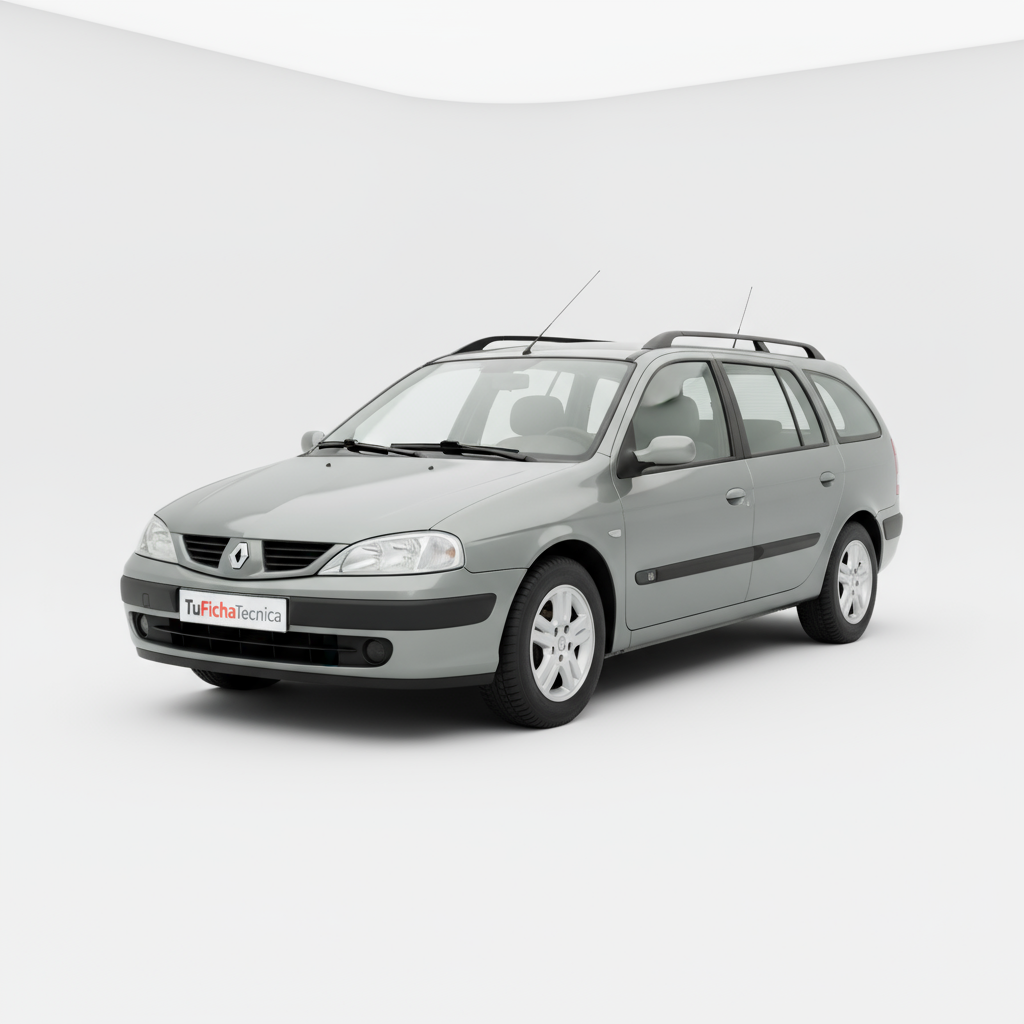
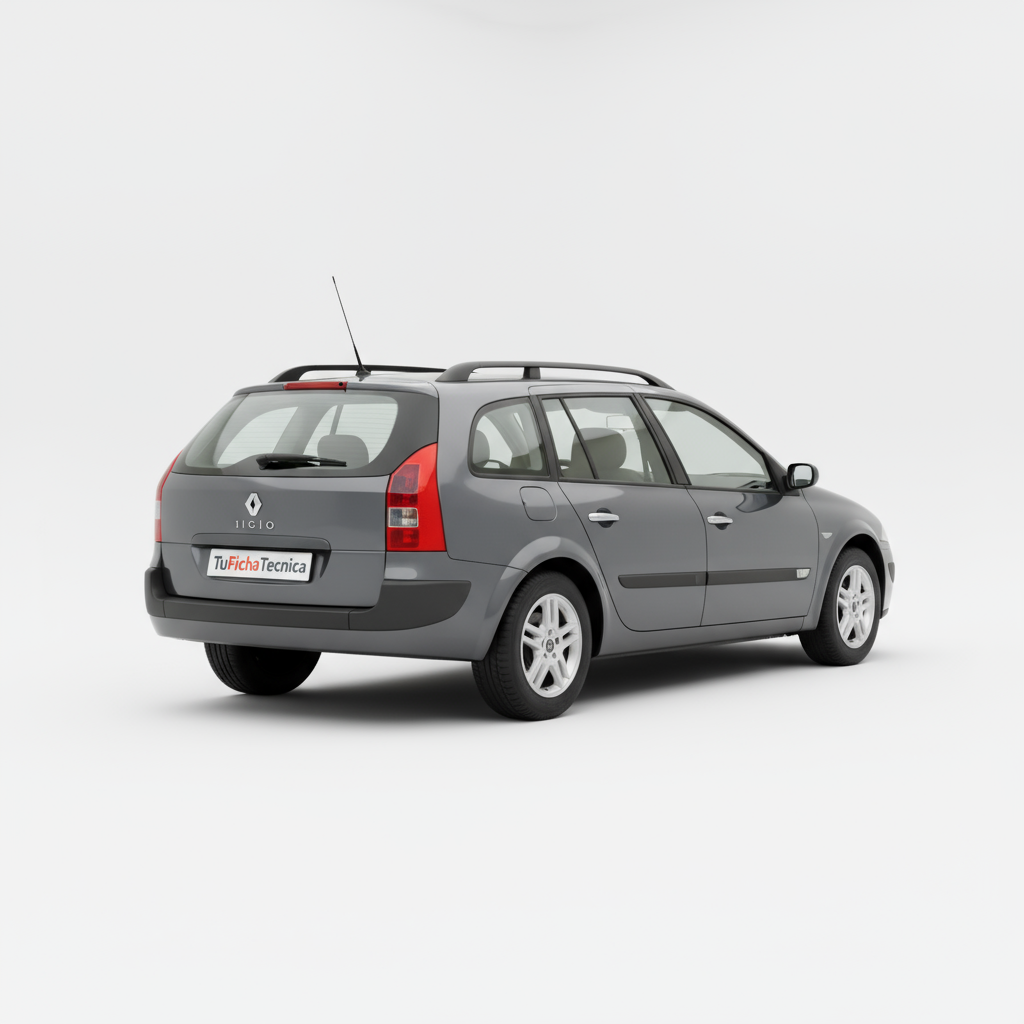
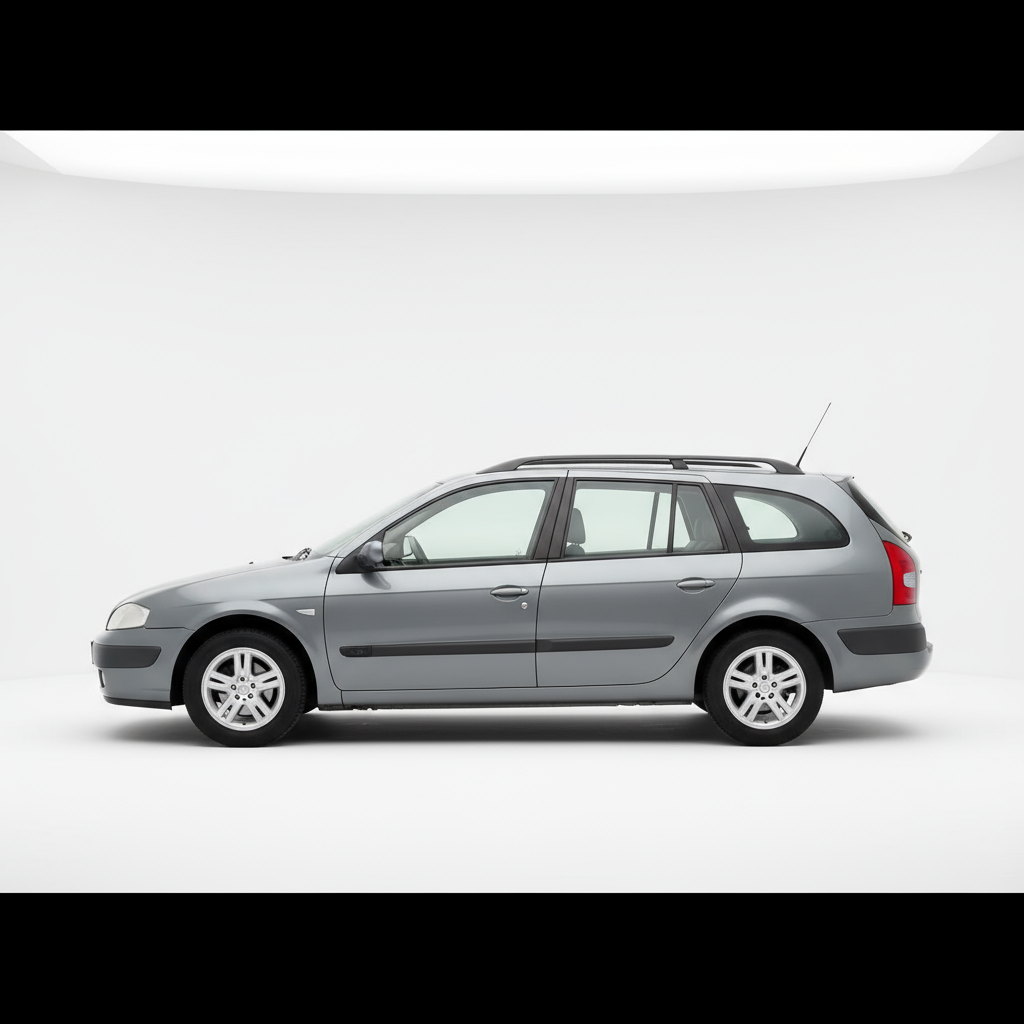
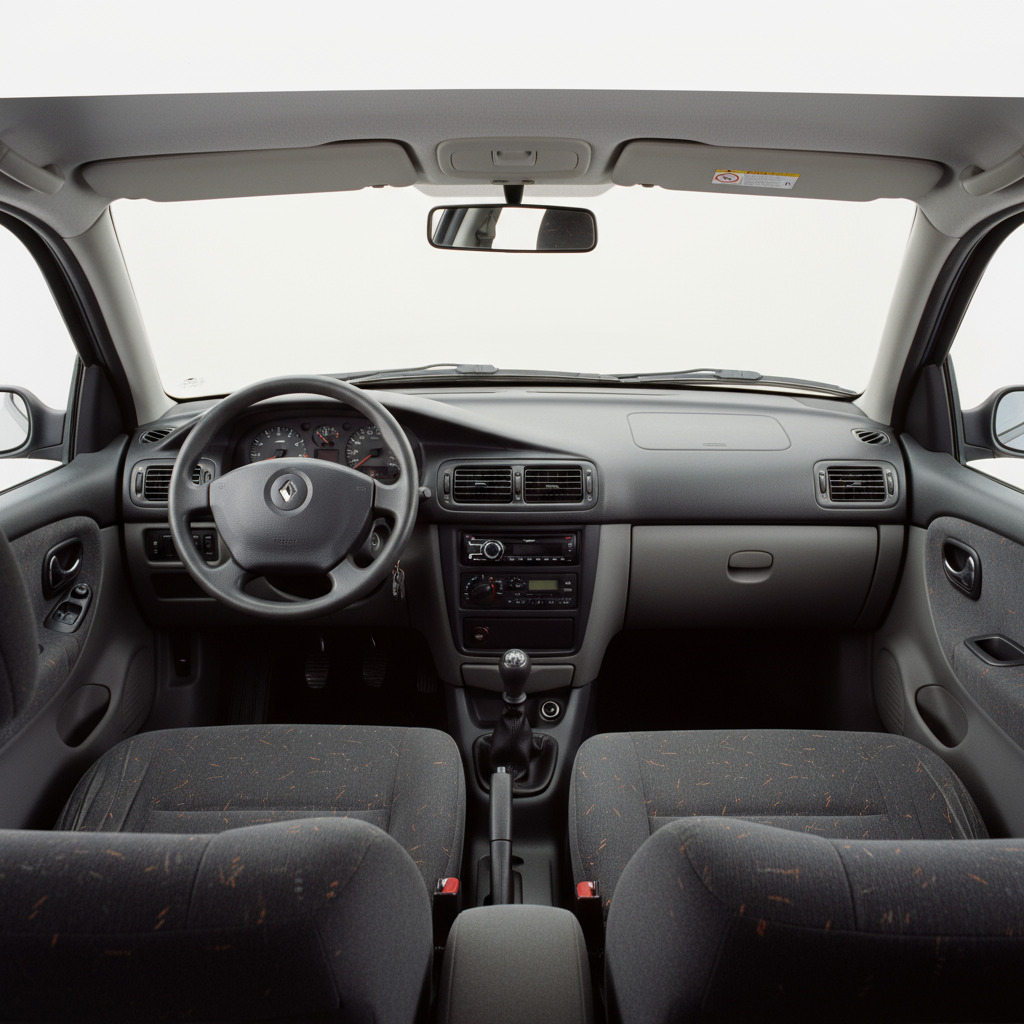
The design of the 1999 Renault Mégane Break is a reflection of late 90s automotive aesthetics: soft lines, rounded shapes, and a clear orientation towards functionality. Its estate body, with a length of 4437 mm, a width of 1699 mm, and a height of 1420 mm, maximizes interior space and cargo capacity, offering a very generous 485-liter trunk for its segment. Although it is not a car that seeks visual spectacle, its design is timeless and still pleasing to the eye. The Fairway version, in particular, often included details that enhanced its appearance, such as specific wheels or differentiated interior finishes, which gave it a touch of distinction within the range.
Technology and features
In terms of technology, the 1999 Mégane Break 1.4 16v Fairway is situated in the context of its era. Its 1.4-liter, 16-valve engine with indirect injection represented an efficient and proven solution for the time, offering a good balance between performance and consumption. The 5-speed manual transmission is simple and robust, without complications. In terms of safety, it had the basic expected elements, such as ABS brakes and airbags, although not at the level of current advanced driver assistance systems. Power steering and air conditioning were elements that contributed to comfort, making this Mégane a well-equipped car for its segment and price at that time.
Competition
In its segment, the Renault Mégane Break 1.4 16v Fairway faced varied and strong competition. Its main rivals included models such as the Opel Astra Caravan, the Ford Focus Wagon, the Peugeot 306 Break, or the Volkswagen Golf Variant. Each of them offered its own virtues, whether in terms of design, equipment, or driving dynamics. The Mégane positioned itself as a balanced option, standing out for its ride comfort, ample interior space, and attractive value for money, which allowed it to compete head-to-head with the segment leaders.
Conclusion
The 1999 Renault Mégane Break 1.4 16v Fairway is a car that, despite the passage of time, maintains its essence as a practical and reliable family vehicle. Its functional design, efficient engine, and ride comfort make it an interesting option for those looking for a car with history and low maintenance costs. It is a testament to an era when simplicity and robustness were fundamental values in automotive engineering. A car that, without great pretensions, fulfilled and continues to fulfill its purpose of transporting its occupants comfortably and safely.