
Especificaciones y análisis del Renault Mégane
Power
102HP
Torque
200Nm
Consumption
5.4l/100
Emissions
-g/km
0-100 km/h
11.9s
Top Speed
185km/h
Weight
1205kg
Price
18,860€
Technical summary
Gasóleo
Manual 5v
FWD
5 / 5 doors
485 L
60 L
75 kW
Current
Technical specifications
Engine
Capacities
Detailed analysis of the Renault Megane Break 1.9 dCi Fairway · 102 CV (2001-2003)
General description
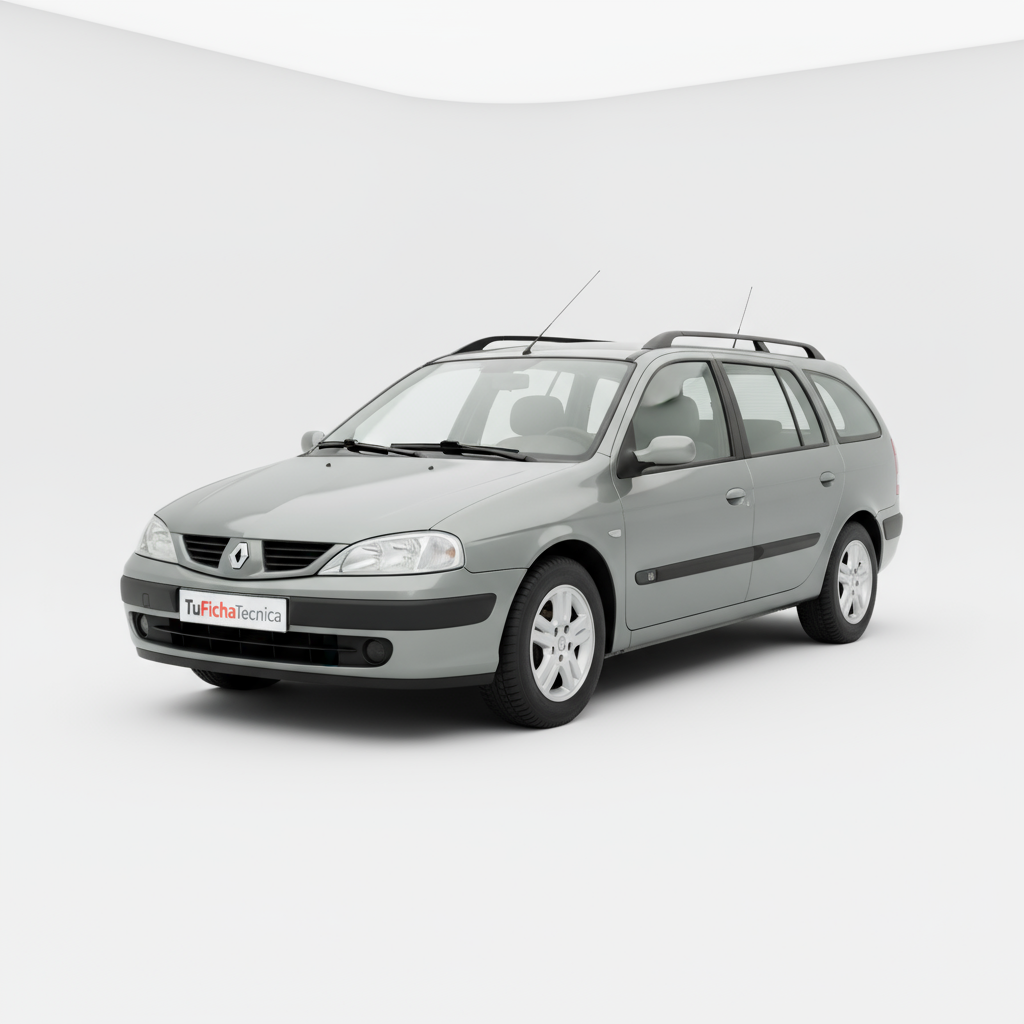
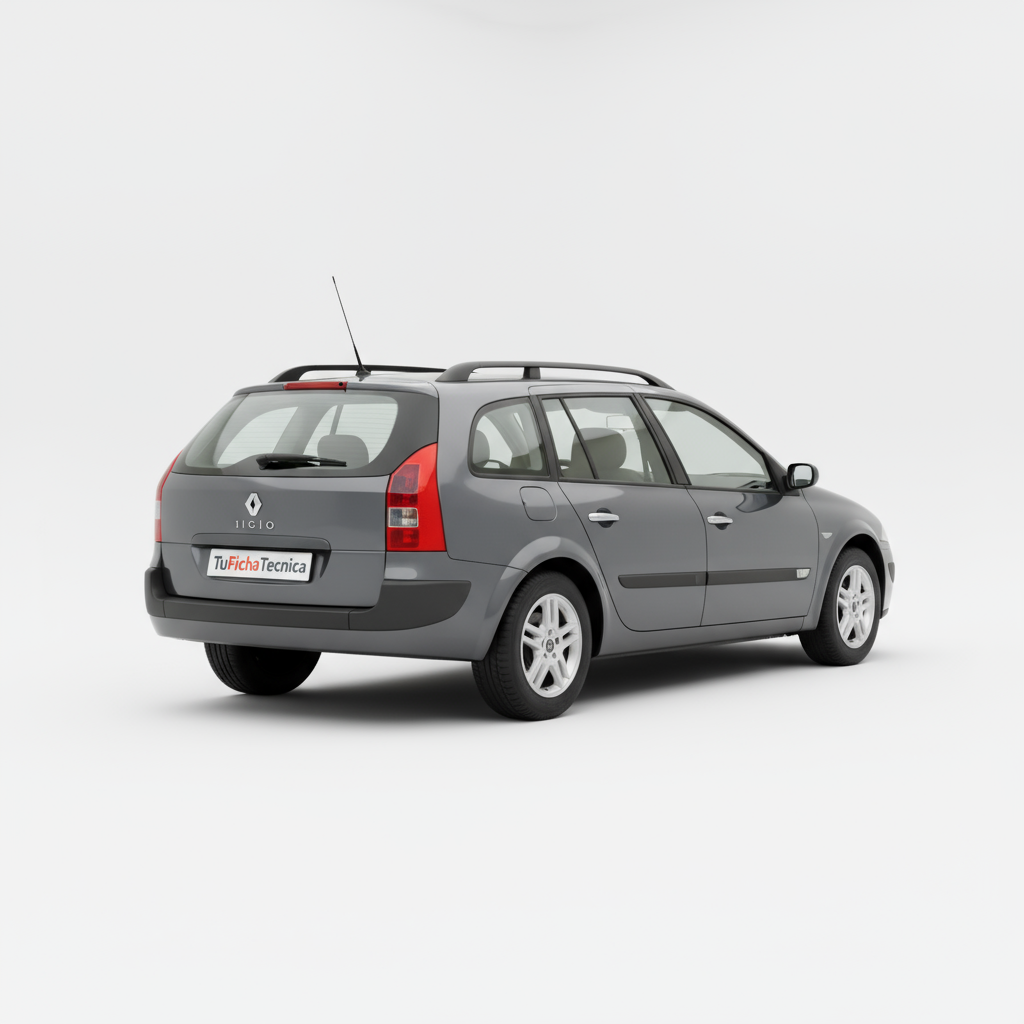
The 2001 Renault Mégane Break 1.9 dCi Fairway is a car that, at first glance, transports us to an era where functionality and economy were fundamental pillars. With its estate body, this Mégane presented itself as a practical solution for families looking for space and low consumption, without great fanfare but with the promise of fulfilling its daily purpose.
Driving experience
Behind the wheel, the Mégane Break 1.9 dCi Fairway offers an honest and unpretentious driving experience. Its 102 hp diesel engine, although not a powerhouse, performs competently for daily use and family trips. Acceleration from 0 to 100 km/h in 11.9 seconds and a top speed of 185 km/h do not make it a sports car, but it is a reliable companion on the road. The suspension, McPherson type at the front, seeks a balance between comfort and stability, absorbing road irregularities without sacrificing too much control. The rack-and-pinion steering offers an adequate response for a car of its segment and era, facilitating maneuvers in the city and providing confidence on longer journeys. In general, it is a car that invites relaxed and efficient driving, ideal for those who value tranquility behind the wheel.
Design and aesthetics
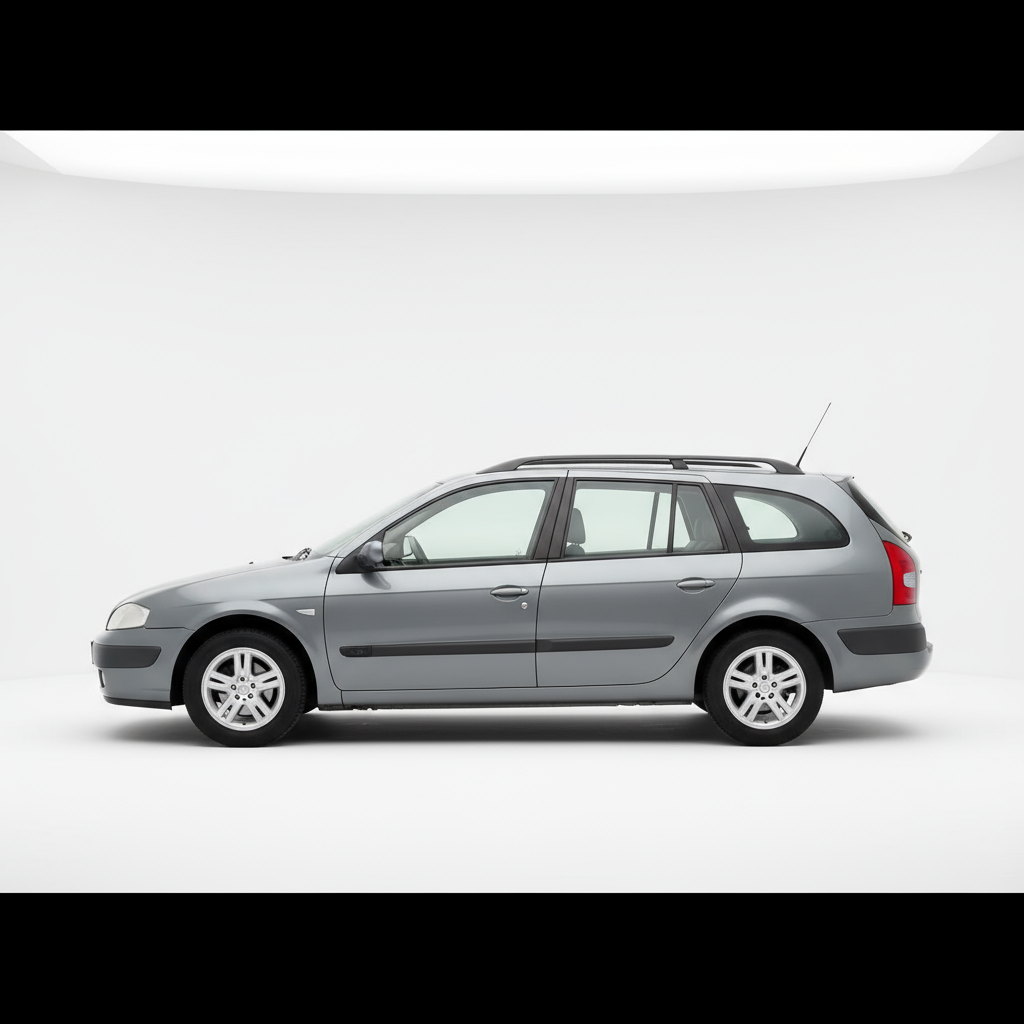
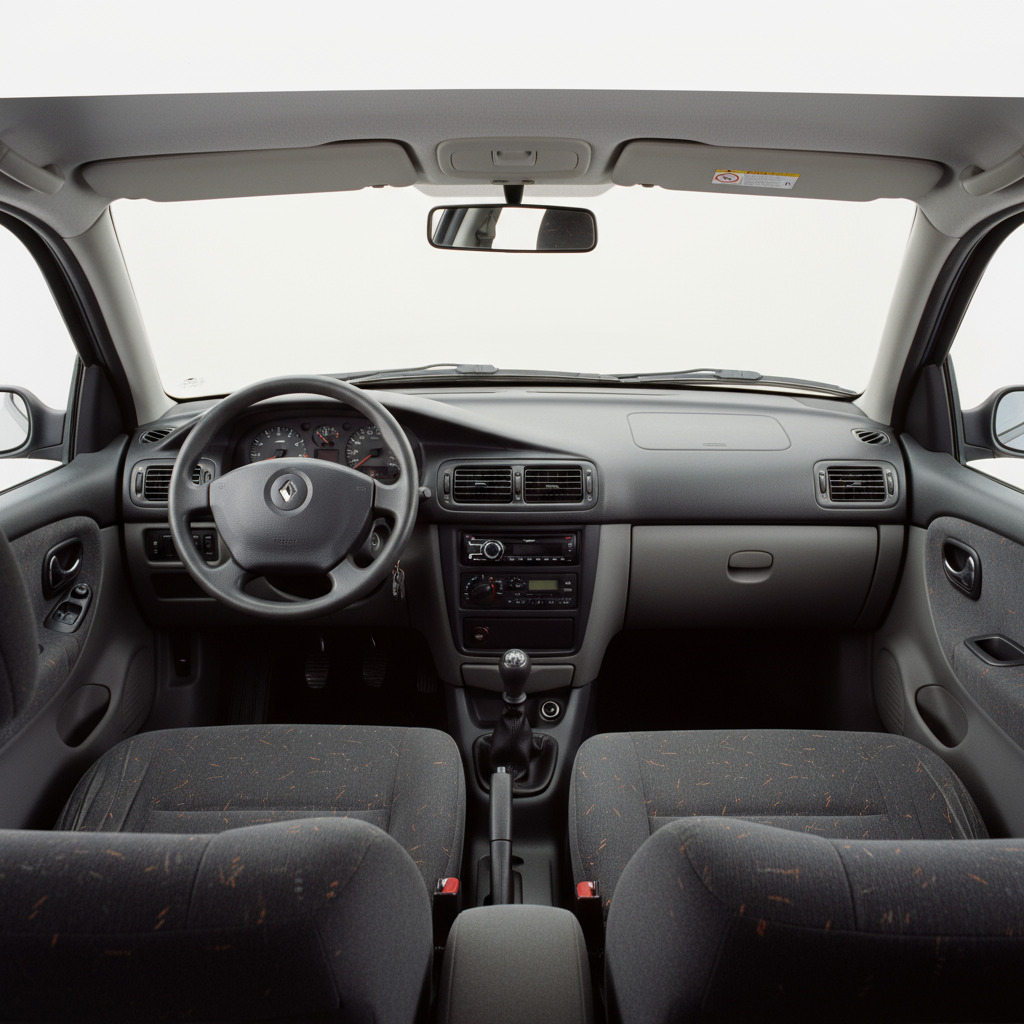
The design of the 1999 Renault Mégane Break, in its Fairway version, is a reflection of the automotive aesthetic of the late 90s and early 2000s. Its estate body, with 4437 mm in length, 1699 mm in width, and 1420 mm in height, prioritizes interior space and cargo capacity. The lines are smooth and functional, without extravagance, seeking a sober and practical image. The front and rear lights, although simple, fulfill their aesthetic and lighting function. The 15-inch wheels with 185/60 R15 tires are in line with its size and performance, contributing to a balanced image. The interior design, although not detailed in the data, would be expected to follow the same philosophy of functionality and ergonomics, with durable materials and a logical arrangement of controls, thinking about occupant comfort and ease of use.
Technology and features
In terms of technology, the 2001 Renault Mégane Break 1.9 dCi Fairway belongs to the pre-digital era of automotive, where electronics were present but did not dominate the experience. Its 1.9 dCi engine with common rail direct injection and turbo was a sample of the diesel technology of the time, seeking efficiency and good torque from low revolutions (200 Nm at 1500 rpm). The 5-speed manual transmission was the norm, offering direct control over power delivery. In terms of safety and comfort, it would be expected to have the basic elements of the time, such as power steering and disc brakes on both axles (ventilated front and solid rear), but without the sophisticated driving aids that we take for granted today. Its technology focused on mechanical reliability and engine efficiency, rather than connectivity or advanced assistance systems.
Competition
At the time, the Renault Mégane Break 1.9 dCi Fairway competed in a very crowded segment of compact diesel estates. Its main rivals would have been models such as the Peugeot 307 SW, the Ford Focus Wagon, the Opel Astra Caravan, or the Volkswagen Golf Variant. All of them offered similar solutions in terms of space, practicality, and efficient diesel engines, seeking to attract families who needed a versatile car for daily use and travel. The Mégane stood out for its focus on comfort and a more discreet aesthetic, offering a solid and economical alternative in the market.
Conclusion
The 2001 Renault Mégane Break 1.9 dCi Fairway is a car that represents an era, an honest and functional vehicle that more than met the expectations of families looking for reliable and spacious transport. Its diesel engine, although not a prodigy of power, offered very low consumption of 5.4 l/100km in the combined cycle, which made it very economically attractive. Its sober design and its focus on practicality made it an ideal companion for daily life. Although today its performance and technology may seem modest, in its context it was a very competent car and an intelligent option for those who valued economy and functionality above all else. It is a car that, over time, continues to evoke a sense of reliability and simplicity, a true family workhorse.