
Especificaciones y análisis del Renault Twingo
Power
58HP
Torque
93Nm
Consumption
5.8l/100
Emissions
138g/km
0-100 km/h
13.4s
Top Speed
151km/h
Weight
915kg
Price
7,930€
Technical summary
Gasolina
Manual 5v
FWD
4 / 3 doors
168 L
40 L
43 kW
Current
Technical specifications
Engine
Capacities
Detailed analysis of the Renault Twingo 1.2 Authentique · 58 CV (2002-2007)
General description
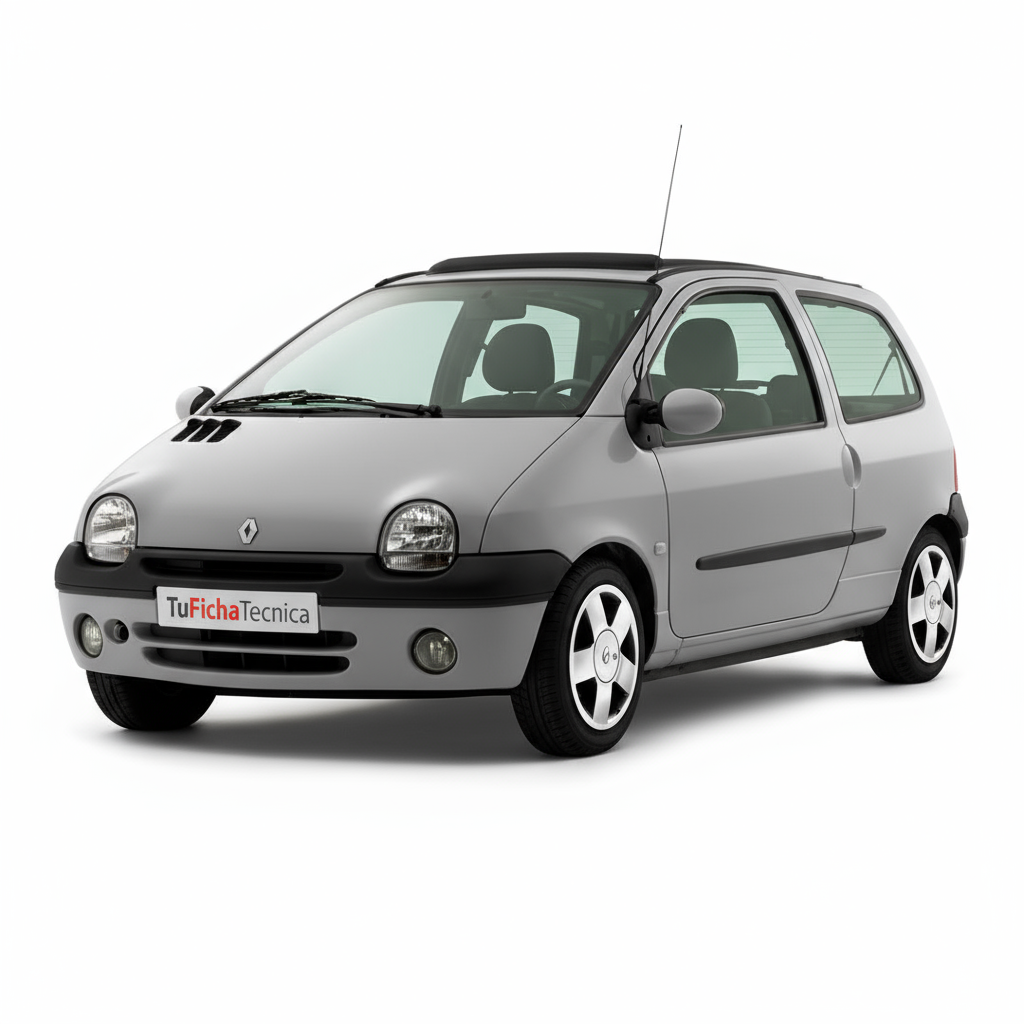
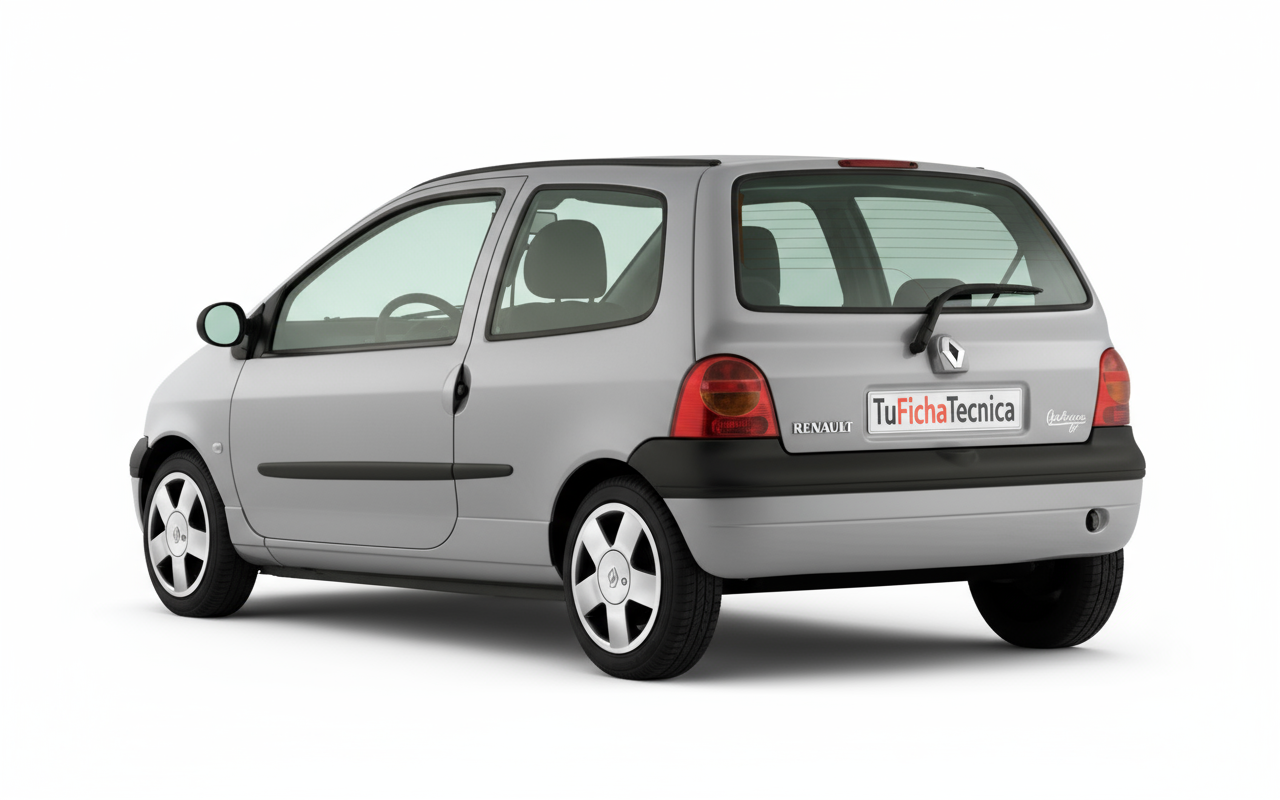
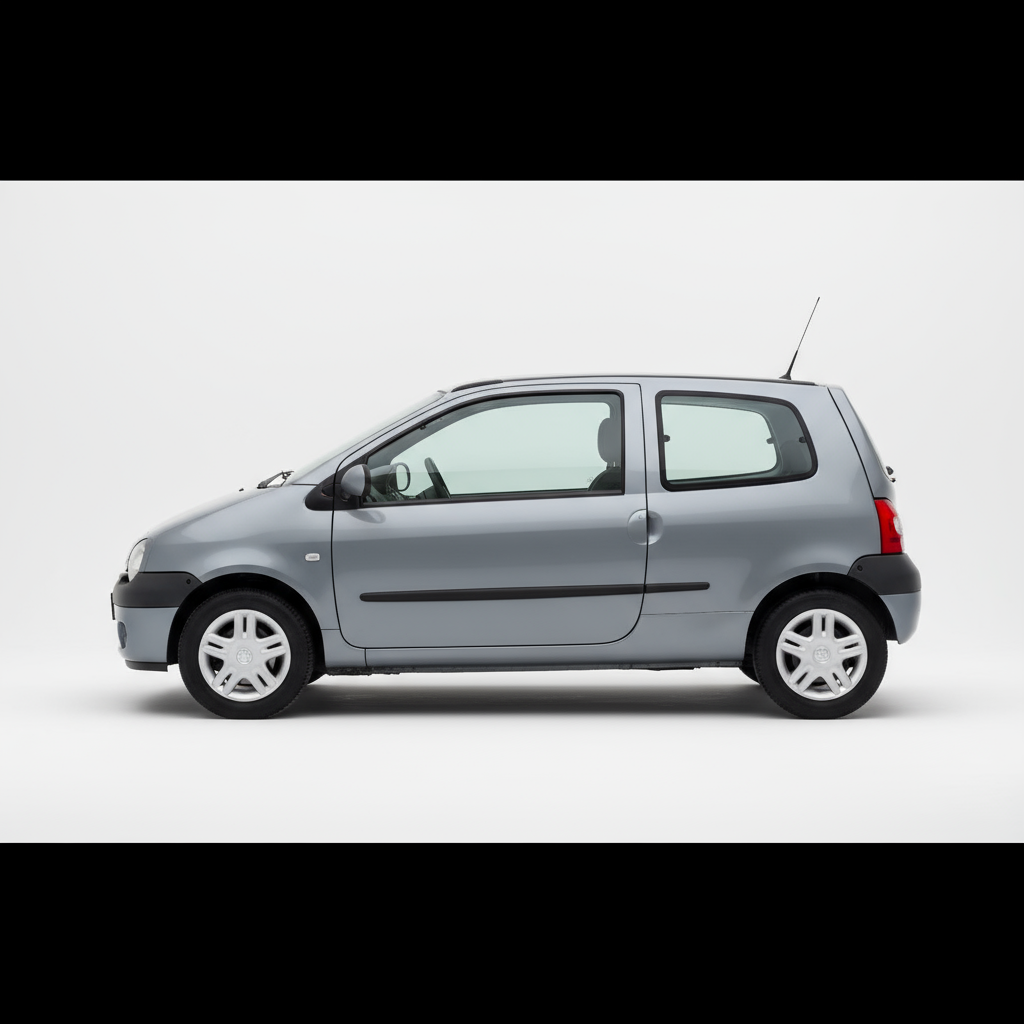
The 1998 Renault Twingo, in its 1.2 Authentique version, is a car that evokes nostalgia and a smile. With its 1.1-liter, 58 hp gasoline engine, this small three-door urban car was presented as a carefree and practical option for the city. Its price of 7,930 euros at the time made it accessible, and its unmistakable design set it apart from any other vehicle on the road.
Driving experience
Driving the Twingo is an experience that connects you with the simplicity and joy of urban driving. Its 58 hp, though modest, are enough to move nimbly in traffic, and its compact dimensions make parking easy. The electric power steering, a notable feature for the time, makes maneuvering a pleasure. Don't expect great accelerations (0 to 100 km/h in 13.4 seconds), but rather a feeling of lightness and fun. The combined consumption of 5.8 l/100km is quite reasonable for a car of its age, making it an economical companion for everyday life.
Design and aesthetics
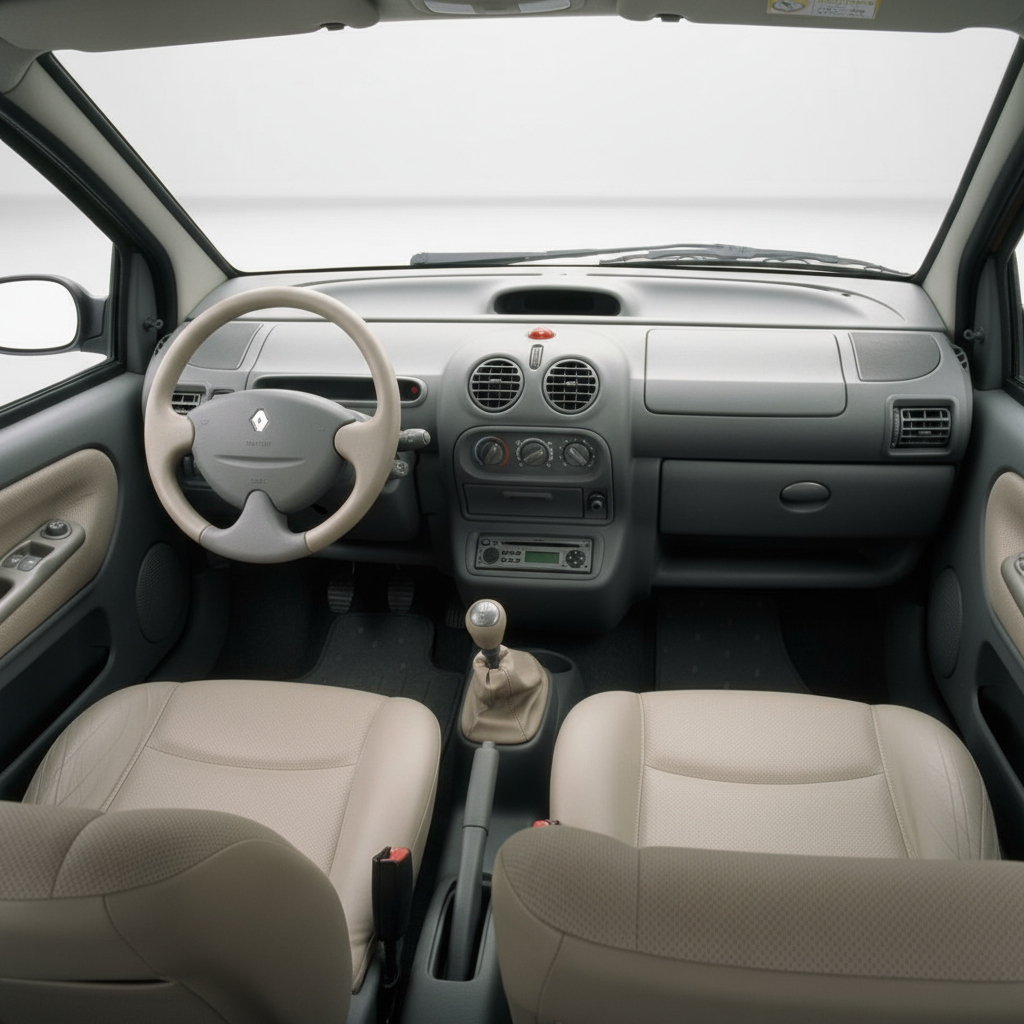
The Twingo's design is, without a doubt, its strongest calling card. Its rounded lines and friendly appearance made it instantly recognizable and loved. The large, expressive headlights gave it a unique, almost cartoonish personality. Inside, simplicity and functionality were key, with a clear dashboard and a central instrument cluster that freed up visual space. Despite being a small car, its cabin was surprisingly spacious and versatile, thanks to its sliding rear seats that allowed varying space for passengers or luggage. It's a design that has aged gracefully, maintaining its original charm.
Technology and features
Although the 1998 Twingo did not stand out for a profusion of technology, it did incorporate elements that improved the driving experience. Its 1.1-liter, 58 hp indirect injection engine was reliable and efficient. The electric power steering was a luxury for a car in its segment at the time, greatly facilitating maneuvers in the city. In terms of safety, it had front ventilated disc brakes and rear drums, a standard configuration for the era. The McPherson type front suspension and trailing arm with torsional element rear suspension offered a good balance between comfort and stability for an urban car.
Competition
In its segment, the Renault Twingo competed with other compact urban cars that sought to offer practical and economical solutions for the city. Among its main rivals were models such as the Fiat Seicento, the Ford Ka, and the Volkswagen Lupo. Each had its own approach, but the Twingo stood out for its bold design and its focus on interior versatility, offering a surprisingly spacious interior for its exterior size.
Conclusion
The 1998 Renault Twingo 1.2 Authentique is more than just a car; it is an icon that marked an era. Its charismatic design, urban practicality, and carefree spirit made it a favorite. Although its performance was not breathtaking, its agility and economy made it ideal for city life. It is a car that, even today, continues to evoke smiles and glances, a testament that personality and functionality can go hand in hand in a small and charming package.