
Especificaciones y análisis del Renault ZOE
Power
88HP
Torque
220Nm
Consumption
-l/100
Emissions
-g/km
0-100 km/h
13.5s
Top Speed
135km/h
Weight
1543kg
Price
17,800€
Technical summary
Eléctrico
Automático 1v
FWD
5 / 5 doors
338 L
- L
65 kW
Current
Technical specifications
Engine
Capacities
Detailed analysis of the Renault ZOE Zen · 88 CV (2015-2016)
General description
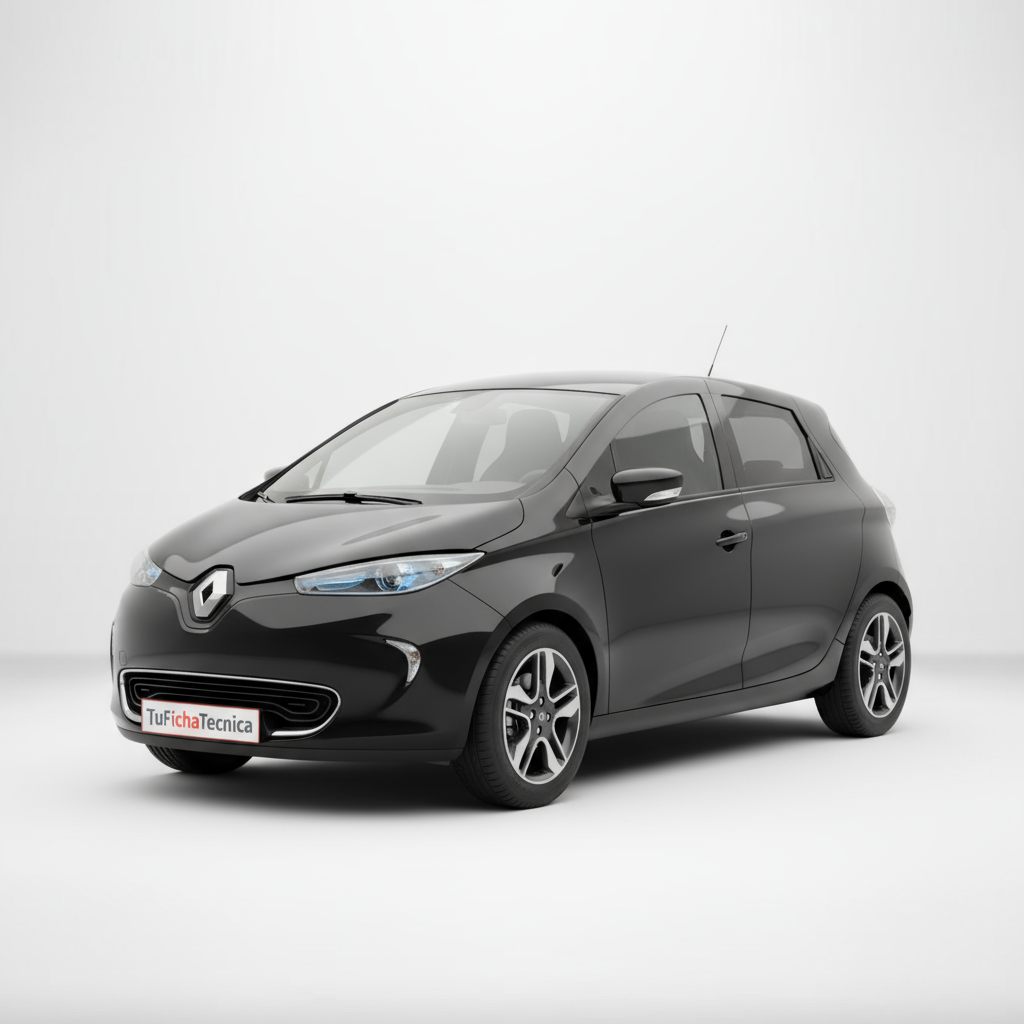
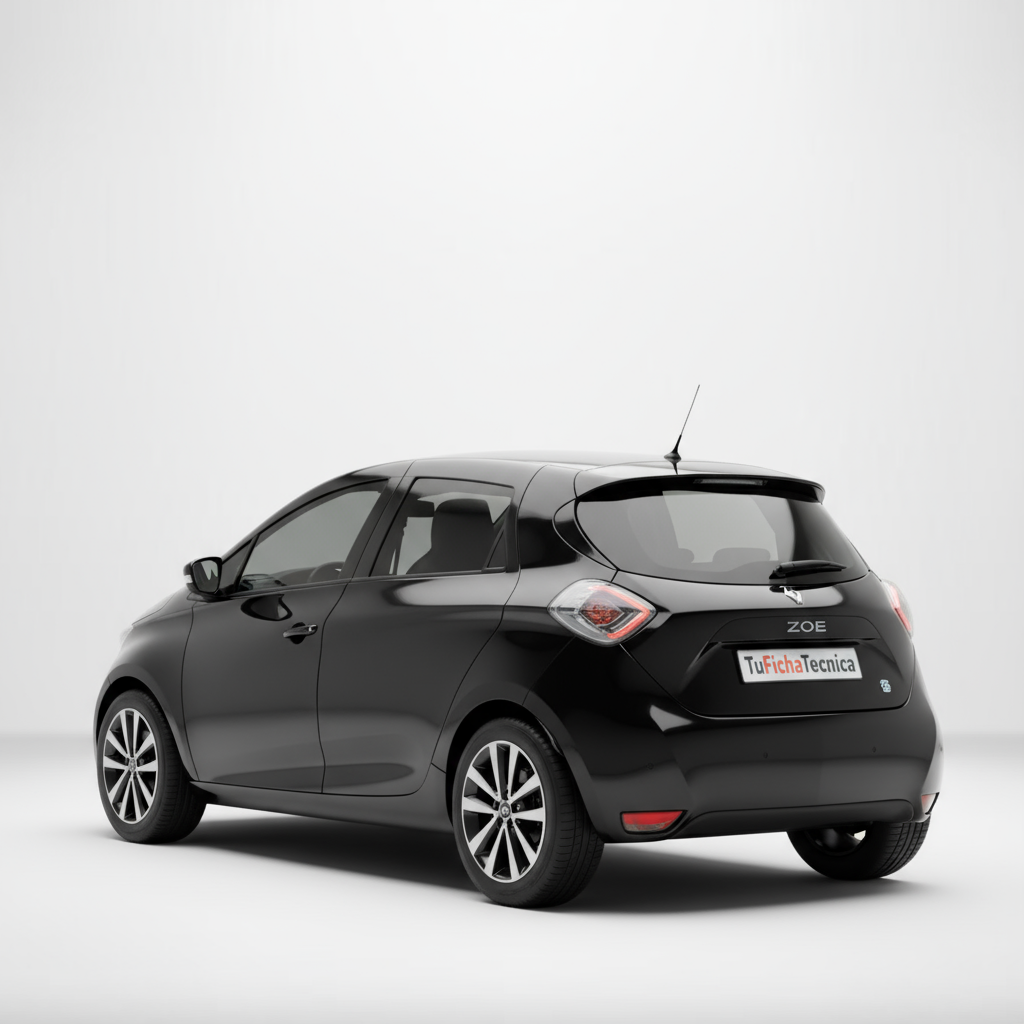
The 2012 Renault ZOE Zen is a pioneer in electric mobility, a car that arrived to democratize access to zero-emission vehicles. With its compact design and urban focus, it presents itself as a fresh and conscious alternative for everyday life. It is a vehicle that, despite its age, remains relevant for its value proposition and its commitment to the environment, offering a different driving experience and a vision of the future.
Driving experience
Behind the wheel of the ZOE Zen, the predominant sensation is smoothness and silence. The absence of combustion engine noise and vibrations translates into a relaxed and pleasant driving experience, ideal for urban traffic. Its 88 hp electric motor offers instant throttle response, which facilitates maneuvers and overtakes in the city. The steering is light and precise, and the suspension, although firm, absorbs road irregularities well, providing adequate comfort for its occupants. It is a car that invites calm, to enjoy the journey without haste, but with the necessary agility to move with ease in the urban environment.
Design and aesthetics
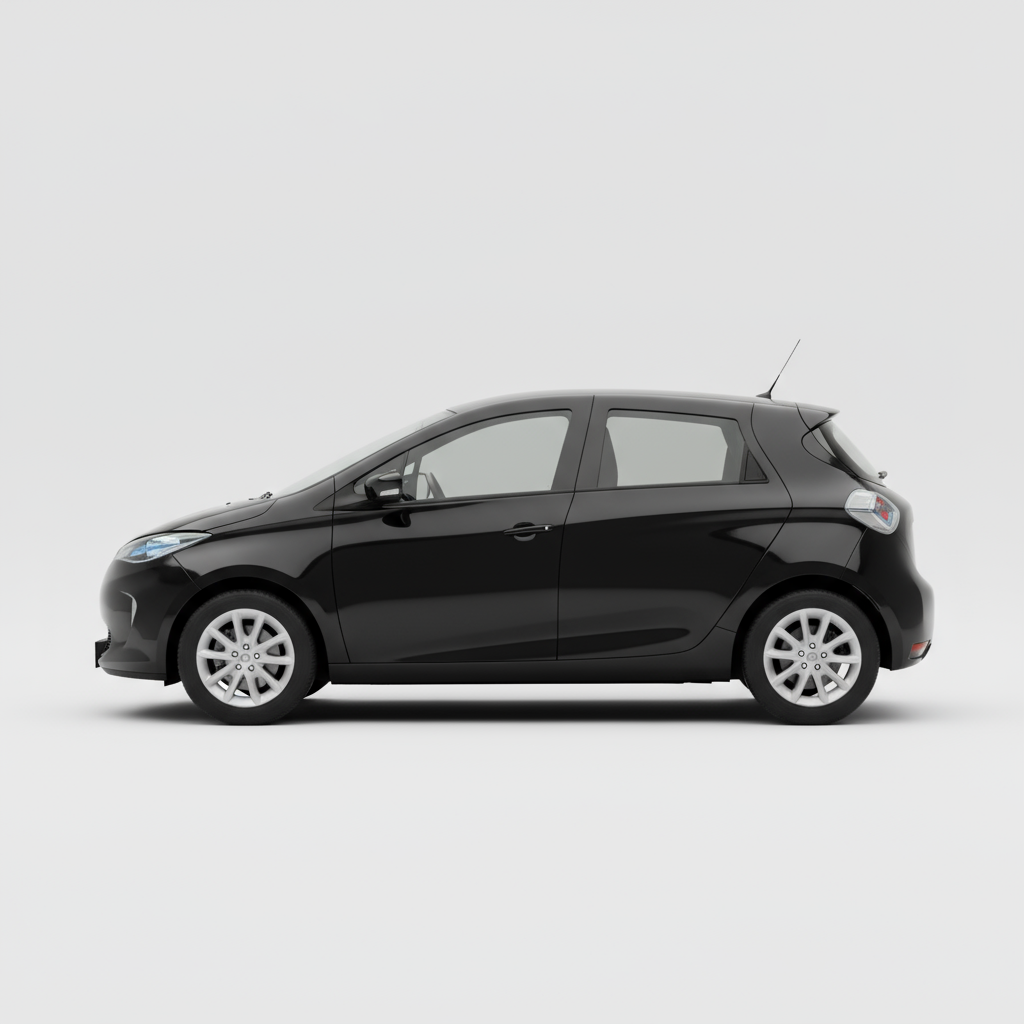
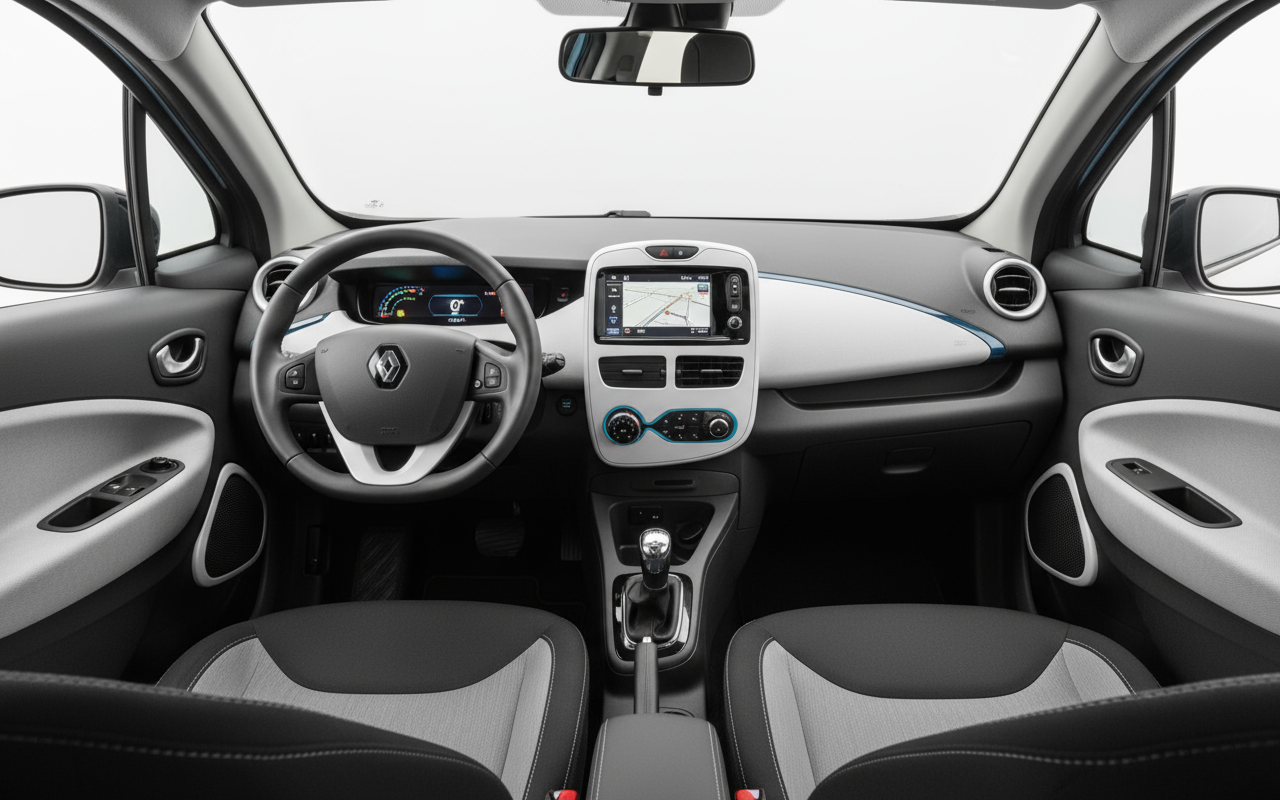
The design of the Renault ZOE Zen is unmistakably modern and friendly. Its fluid and rounded lines give it a friendly and futuristic personality. The front headlights, with their characteristic shape, and the front grille, which subtly integrates the Renault logo, give it a distinctive look. Inside, the design is functional and minimalist, with a clear arrangement of controls and a central screen that groups essential information. The materials, although simple, are well-fitted and convey a sense of solidity. It is a design that seeks aerodynamic efficiency and habitability, without sacrificing a touch of style that makes it stand out on the road.
Technology and features
The 2012 Renault ZOE Zen was a technological showcase at the time, focused on electric propulsion. Its 22 kWh usable battery, located in the central part of the chassis, provides adequate range for daily urban use. The 88 hp electric motor offers an instant torque of 220 Nm, which translates into agile acceleration. The single-speed automatic transmission simplifies driving, eliminating the need to change gears. In terms of charging, the ZOE Zen allows a full charge in alternating current in about 9 hours, making it ideal for overnight charging at home. In addition, it has energy recovery systems during braking and deceleration, thus optimizing its efficiency. Its '0 emissions' label from the DGT is a clear reflection of its technological commitment to sustainability.
Competition
At the time of its launch, the Renault ZOE Zen faced a nascent electric vehicle market. Its main rivals were models such as the Nissan Leaf, which offered similar size and range, or the BMW i3, with a more premium proposal and a more avant-garde design. It also competed indirectly with urban internal combustion vehicles, offering a more ecological alternative with lower long-term maintenance costs. The ZOE positioned itself as an accessible and practical option for those looking to make the leap to electric mobility, standing out for its attractive design and ease of use in the urban environment.
Conclusion
The 2012 Renault ZOE Zen is more than a car; it is a statement of intent. It represents Renault's commitment to electric mobility and offers a practical and efficient solution for urban transport. Its friendly design, smooth and silent driving, and electric technology make it an attractive option for those looking to reduce their carbon footprint and enjoy a different driving experience. Although its range may seem limited by current standards, for daily urban use it is still a very valid and economical option. It is a car that has undoubtedly left its mark on the history of electric automotive.