
Especificaciones y análisis del Renault ZOE
Power
88HP
Torque
220Nm
Consumption
-l/100
Emissions
-g/km
0-100 km/h
13.5s
Top Speed
135km/h
Weight
1543kg
Price
23,425€
Technical summary
Eléctrico
Automático 1v
FWD
5 / 5 doors
338 L
- L
65 kW
Current
Technical specifications
Engine
Capacities
Detailed analysis of the Renault ZOE Zen R240 · 88 CV (2015-2016)
General description
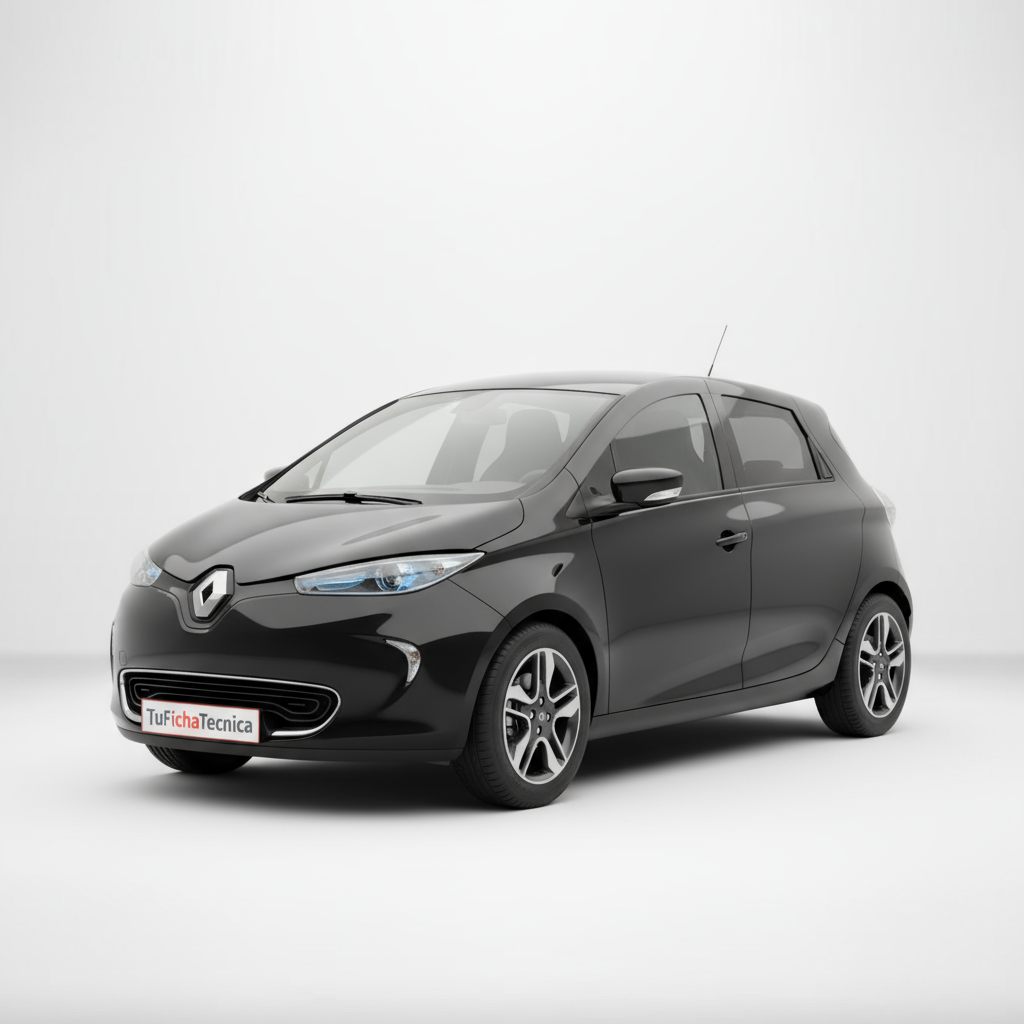
The 2012 Renault ZOE, in its Zen R240 version, is presented as a bold and pioneering proposal in the electric vehicle segment. With its 88 hp engine and a 22 kWh battery, this model sought to democratize electric mobility, offering an urban and compact alternative for everyday use. Its distinctive design and focus on efficiency made it a benchmark at the time, paving the way for future generations of electric cars.
Driving experience
Behind the wheel of the ZOE, the experience is surprisingly smooth and quiet. The absence of combustion engine noise and vibrations translates into exceptional ride comfort, ideal for the city. Acceleration, although not dazzling (13.5 seconds from 0 to 100 km/h), is linear and sufficient to move with agility in urban traffic. The electric power steering offers precise response, and its turning circle of 10.56 meters facilitates maneuvers in tight spaces. The suspension, McPherson type at the front and trailing arm with torsional element at the rear, effectively filters out road irregularities, contributing to a pleasant travel sensation. The range, although limited by the capacity of its 22 kWh battery, is easily managed in urban environments, where the ZOE truly shines.
Design and aesthetics
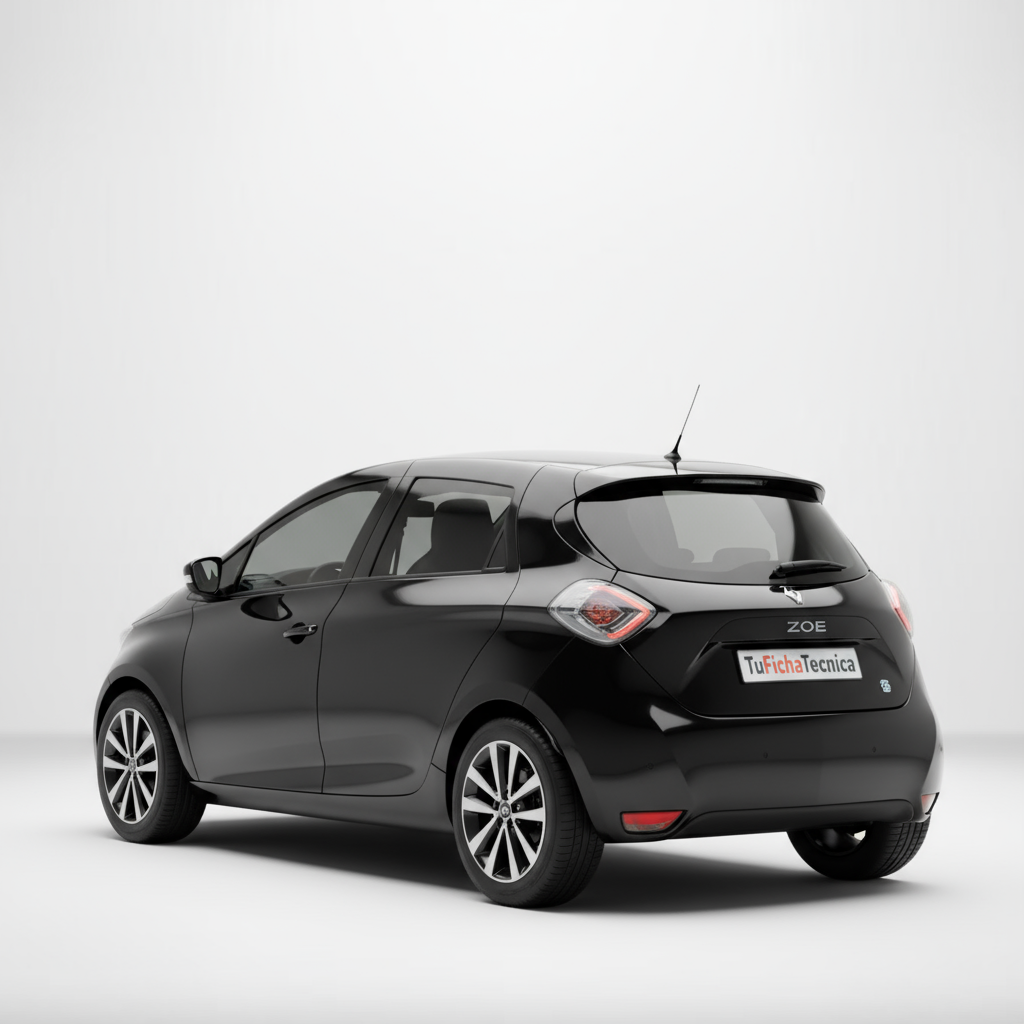
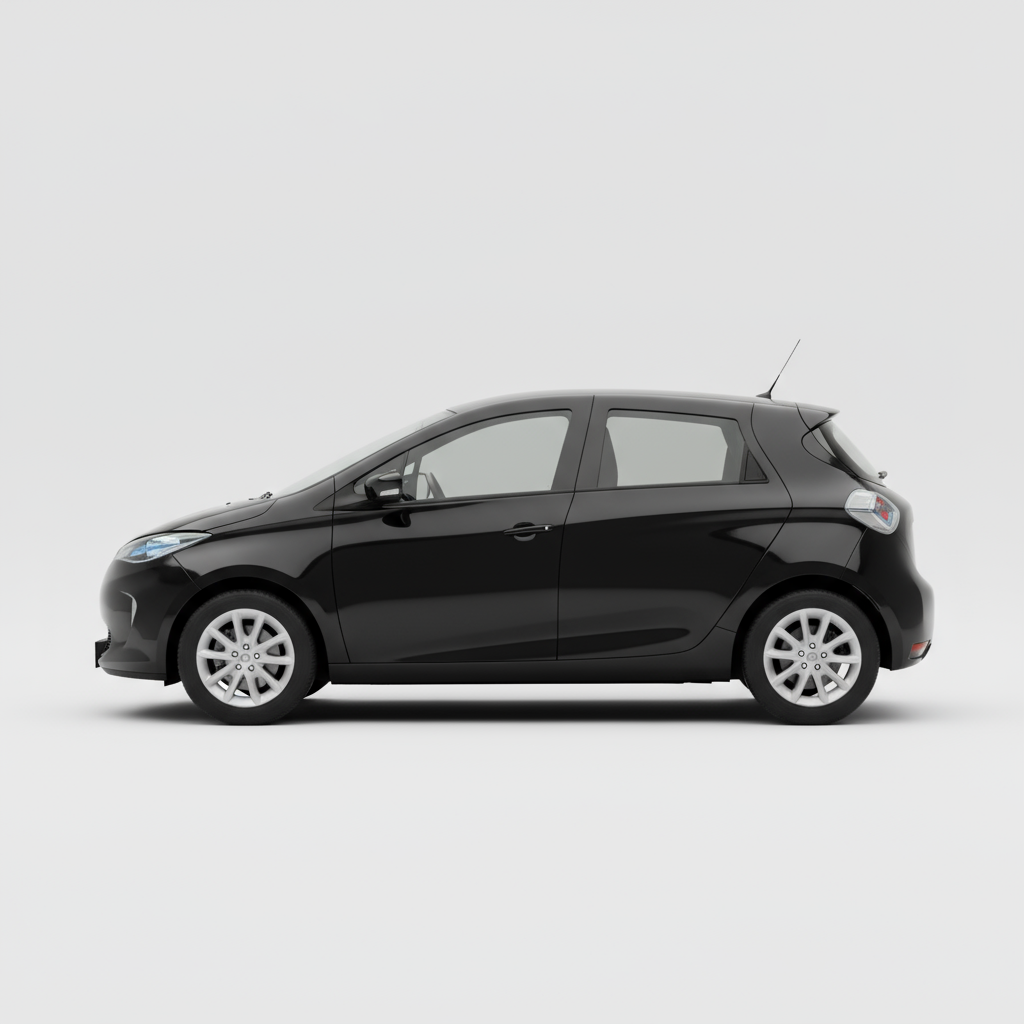
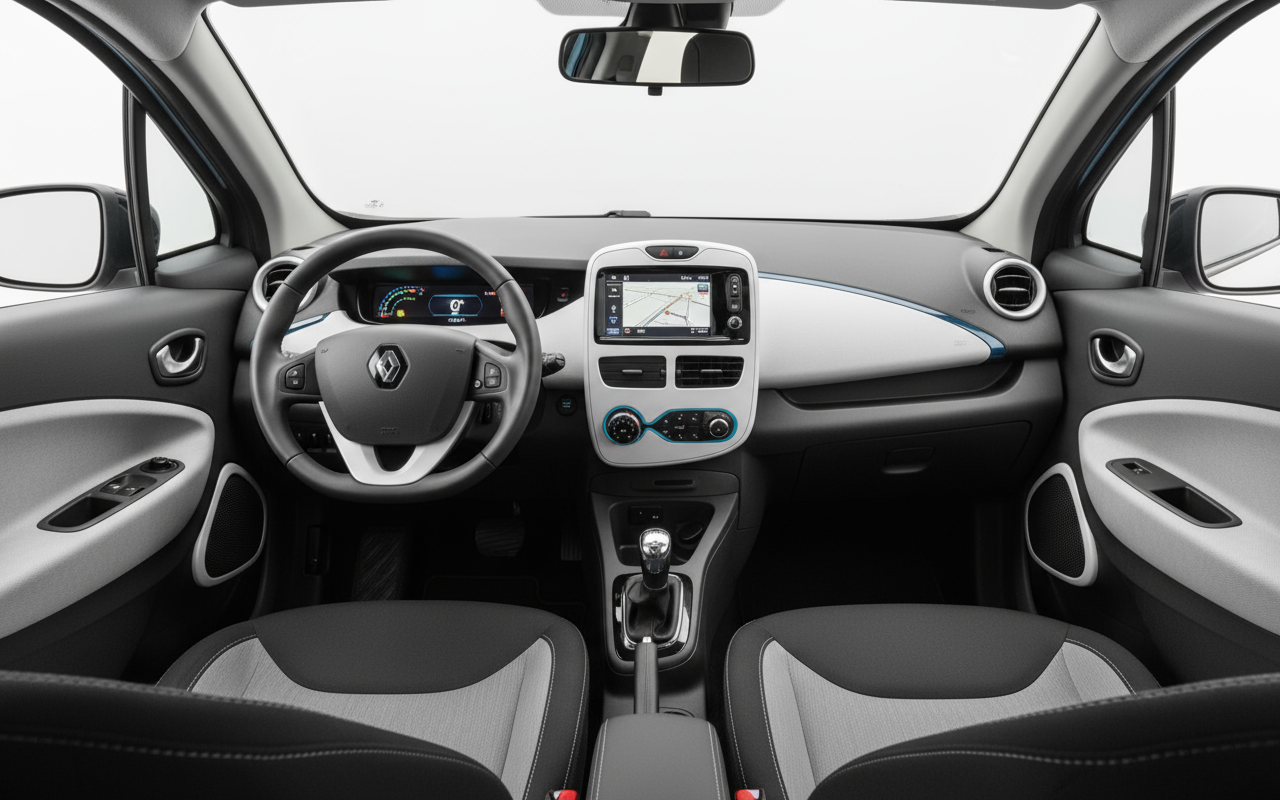
The design of the Renault ZOE is unmistakably modern and futuristic, even by today's standards. Its fluid and rounded lines, along with the elongated headlights and distinctive front grille, give it a unique personality. Its compact dimensions (4084 mm long, 1730 mm wide, and 1562 mm high) make it ideal for the city, while its five doors and five seats offer surprising practicality. The interior, although functional, features a clean and minimalist design, with materials that aim for sustainability. The 338-liter trunk is suitable for daily needs, demonstrating that an electric car does not have to sacrifice versatility.
Technology and features
The ZOE Zen R240 incorporates technology focused on electrical efficiency. Its 88 hp engine and 220 Nm of torque, powered by a 22 kWh lithium-ion battery, offers adequate range for urban use. The single-speed automatic transmission simplifies driving, eliminating the need for gear changes. As for charging, the ZOE allows a full charge in 9 hours with alternating current, making it ideal for overnight charging at home. Although it lacks DC fast charging, its focus on AC charging positions it as a practical vehicle for everyday use. Electric power steering and ventilated front disc brakes (258 mm) and rear drum brakes (228 mm) ensure safe and controlled driving.
Competition
At its launch, the Renault ZOE faced a limited number of direct rivals in the nascent electric vehicle market. Among them, models such as the Nissan Leaf, with greater range and size, or the BMW i3, with a more premium approach and a more radical design, stood out. Other indirect competitors could be urban internal combustion vehicles, to which the ZOE offered a more ecological alternative with lower maintenance costs. However, the ZOE stood out for its balance between price, range, and design, positioning itself as an attractive option for those looking to enter electric mobility.
Conclusion
The 2012 Renault ZOE Zen R240 was a pioneer in electric mobility, a car that, despite its limitations in range and fast charging, laid the groundwork for the success of electric vehicles in the mass market. Its attractive design, smooth and quiet driving, and urban practicality made it a very interesting option for those looking for a sustainable alternative for their daily commutes. Although technology has advanced significantly since then, the first-generation ZOE remains a testament to Renault's commitment to electrification and a car that left an important mark on the history of the electric automobile.