
Especificaciones y análisis del Saab 9-3
Power
175HP
Torque
265Nm
Consumption
8.1l/100
Emissions
194g/km
0-100 km/h
8.8s
Top Speed
215km/h
Weight
-kg
Price
35,065€
Technical summary
Gasolina
Manual 5v
FWD
5 / 5 doors
419 L
58 L
129 kW
Current
Technical specifications
Engine
Capacities
Detailed analysis of the Saab 9-3 Sport Hatch 2.0t (175 CV) Vector · 175 CV (2005-2006)
General description
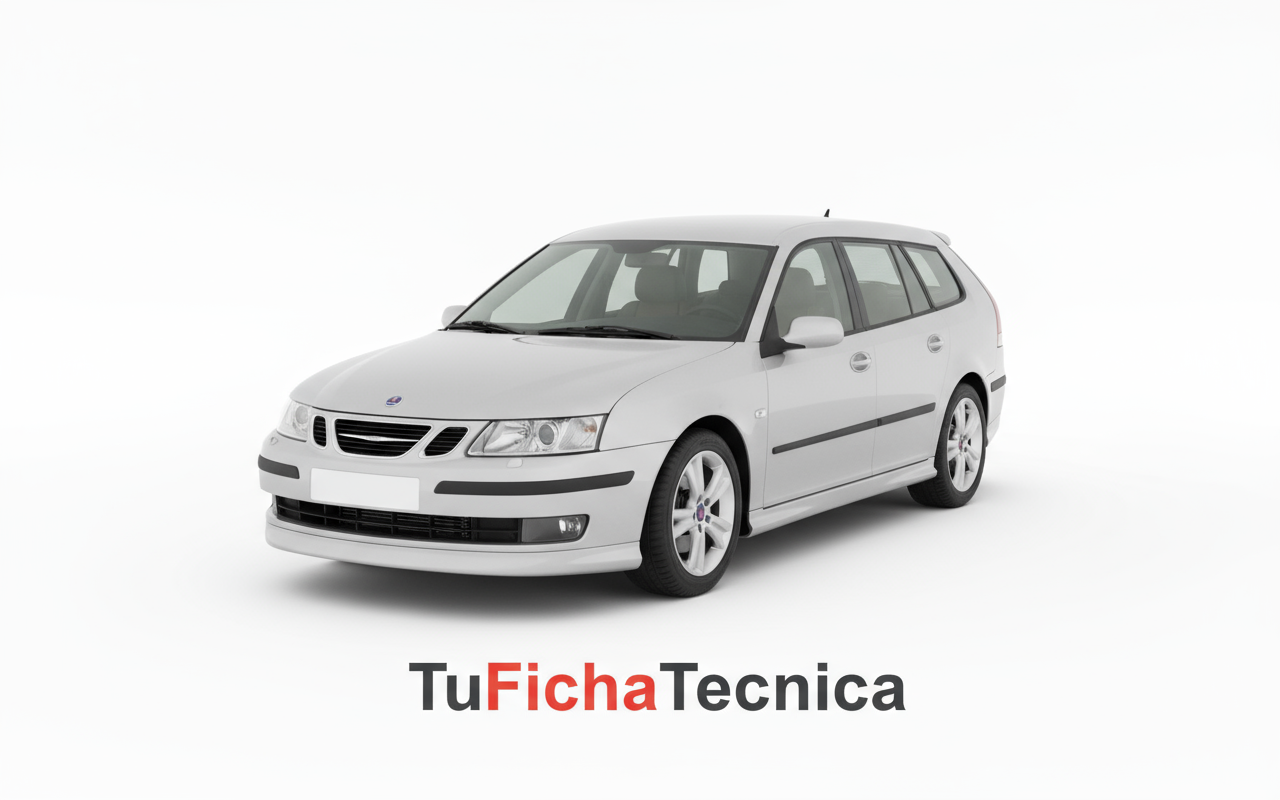
The 2005 Saab 9-3 Sport Hatch 2.0t 175 hp, in its Vector version, is a proposition that combines the practicality of a station wagon with the distinctive spirit and sportiness inherent in the Swedish brand. This model, with its turbocharged gasoline engine, promised a different driving experience, far from the conventional, and a design that did not go unnoticed on the road.
Driving experience
Behind the wheel of the Saab 9-3 Sport Hatch, the feeling is one of solidity and control. The 175 hp 2.0t engine, with its turbo, delivers power progressively but forcefully, especially from 2500 rpm, where its 265 Nm of torque becomes noticeable. Acceleration from 0 to 100 km/h in 8.8 seconds and a top speed of 215 km/h are respectable figures for the time, offering a dynamism that invites you to enjoy the road. The suspension, McPherson type at the front and deformable parallelogram at the rear, along with anti-roll bars, provides a good balance between comfort and agility, allowing for safe cornering and precise steering, although with hydraulic assistance that might feel slightly less direct than modern systems. The combined consumption of 8.1 l/100km is reasonable for a turbocharged gasoline engine of this power.
Design and aesthetics
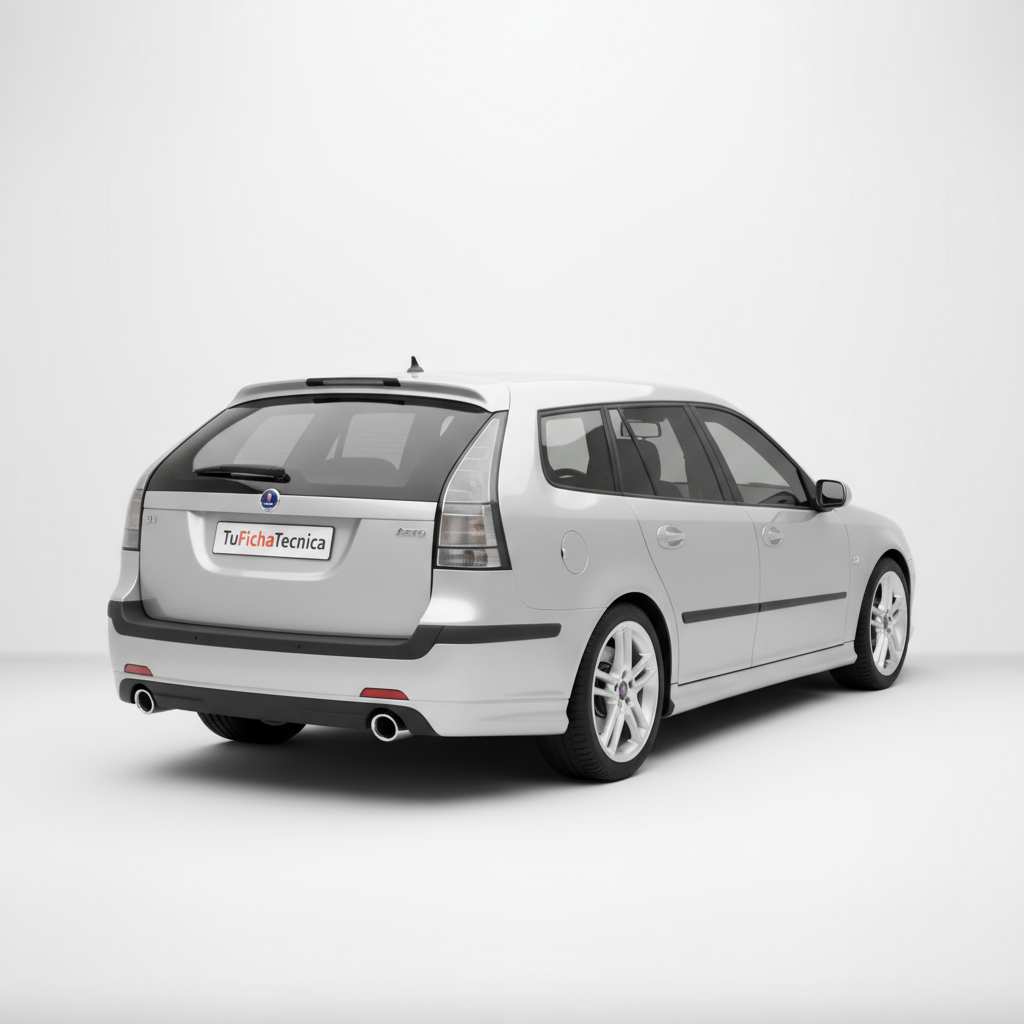
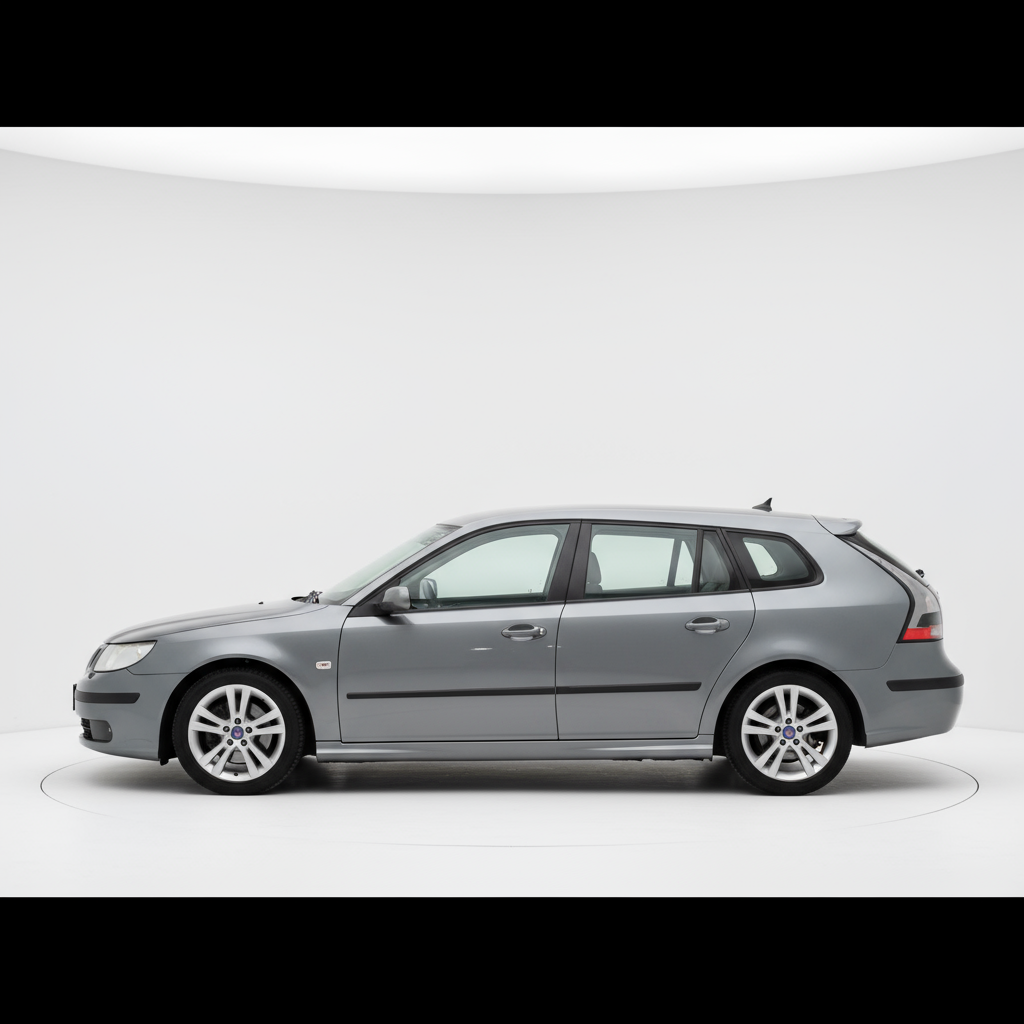
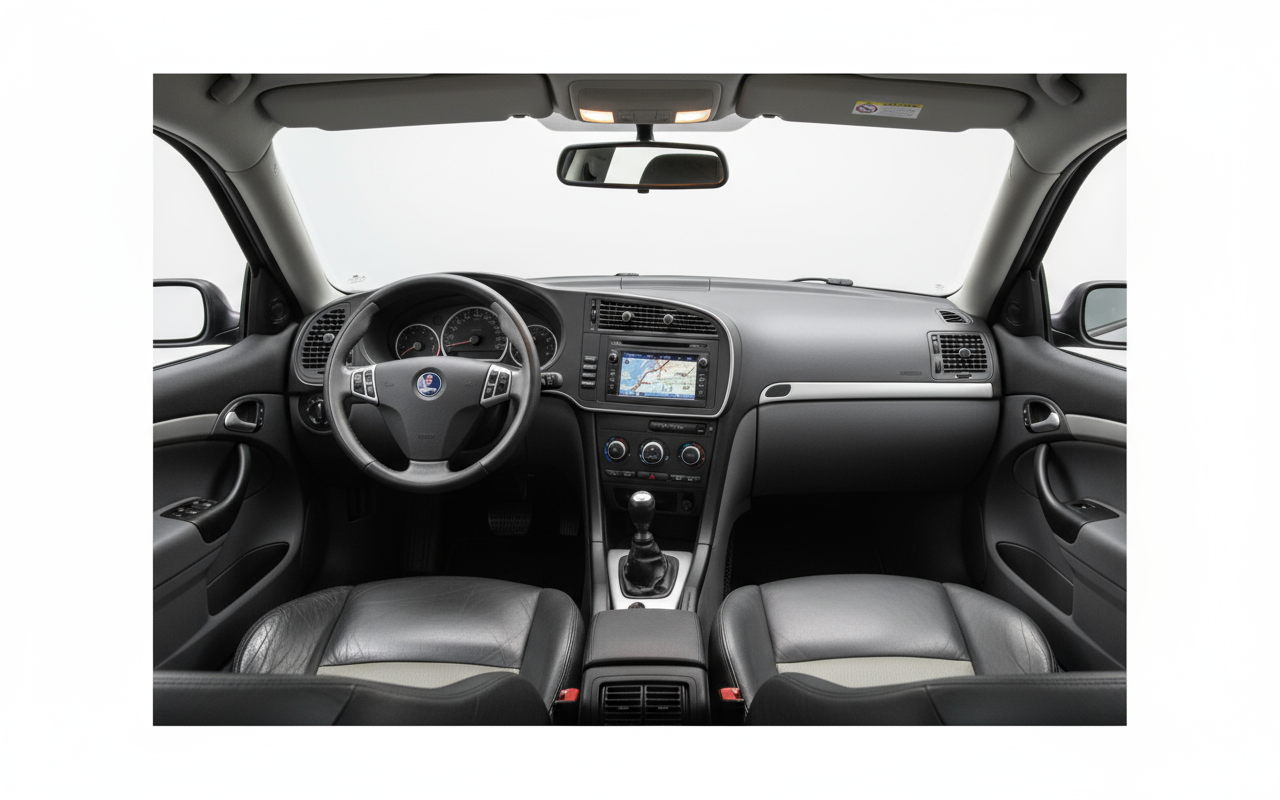
The design of the Saab 9-3 Sport Hatch is unmistakably Saab. Its five-door body, with a roofline that gently slopes towards the rear, gives it a sporty yet elegant silhouette. The front headlights, with their characteristic shape, and the front grille, give it a unique personality. At the rear, the integrated taillights and the generously sized tailgate reinforce its practical character. The 17-inch wheels with 225/45 R17 tires, standard in the Vector trim, accentuate its sporty image. The interior, although with a design that today might seem somewhat sober, stands out for the quality of its materials and the ergonomics of its controls, with a driver-oriented layout, very much in the brand's aeronautical style. The trunk capacity of 419 liters is adequate for the segment.
Technology and features
In 2005, the Saab 9-3 Sport Hatch incorporated advanced technology for its time. The 2.0t gasoline engine, with indirect injection, turbo, and intercooler, was an example of engineering to offer good performance and efficiency. The 5-speed manual transmission, although not the most modern, was robust and reliable. In terms of safety, it had ventilated disc brakes at the front and solid discs at the rear, and a well-tuned chassis. The hydraulically assisted steering, although not as sophisticated as current electric ones, offered good feedback. Inside, although infotainment details are not specified, Saab always characterized itself by offering quality audio systems and clear, functional instrumentation.
Competition
In its segment, the 175 hp Saab 9-3 Sport Hatch 2.0t competed with models such as the Audi A4 Avant, the BMW 3 Series Touring, or the Mercedes-Benz C-Class Estate. It also competed with more generalist alternatives but with powerful versions, such as the Volkswagen Passat Variant or the Volvo V50. The Saab differentiated itself from its rivals by its bolder design and its focus on safety and ergonomics, offering a distinctive alternative for those looking for something different from traditional German premium brands.
Conclusion
The 2005 Saab 9-3 Sport Hatch 2.0t 175 hp Vector is a car with character, combining the versatility of a station wagon with the dynamism and personality of a Saab. Its turbo engine offers good performance, its design remains attractive, and its interior, although classic, is functional and of quality. It is an interesting option for those looking for a different car, with a touch of exclusivity and a rewarding driving experience, although with fuel consumption that today might be considered high. It represents the essence of a brand that always opted for innovation and differentiation.