
Especificaciones y análisis del Saab 9-5
Power
160HP
Torque
350Nm
Consumption
5.3l/100
Emissions
139g/km
0-100 km/h
9.9s
Top Speed
215km/h
Weight
1725kg
Price
35,500€
Technical summary
Gasóleo
Manual 6v
FWD
5 / 4 doors
515 L
70 L
118 kW
Current
Technical specifications
Engine
Capacities
Detailed analysis of the Saab 9-5 Sedan Linear 2.0TiD 160 CV (2010-2012)
General description
The Saab 9-5 Sedan Linear 2.0TiD 160 hp, launched in 2010, represents the Swedish brand's last major bid for the luxury sedan segment. With a design that evoked the essence of Saab and a clear intention to compete with the market's big players, this model sought to offer a distinctive and characterful alternative. Its efficient and powerful diesel engine promised a balance between performance and consumption, an attractive combination for the time.
Driving experience
Behind the wheel of the Saab 9-5, the feeling is one of solidity and comfort. The suspension, McPherson type at the front and deformable parallelogram at the rear, filters road irregularities with mastery, offering a smooth and composed ride. The 160 hp 2.0 TiD engine, with its 350 Nm of torque from low revolutions, pushes decisively, allowing safe overtakes and good response on the road. The rack-and-pinion steering transmits a direct connection with the asphalt, though without the agility of some of its sportier rivals. It is a car to enjoy long journeys, where its spacious and well-insulated cabin becomes a haven of tranquility.
Design and aesthetics
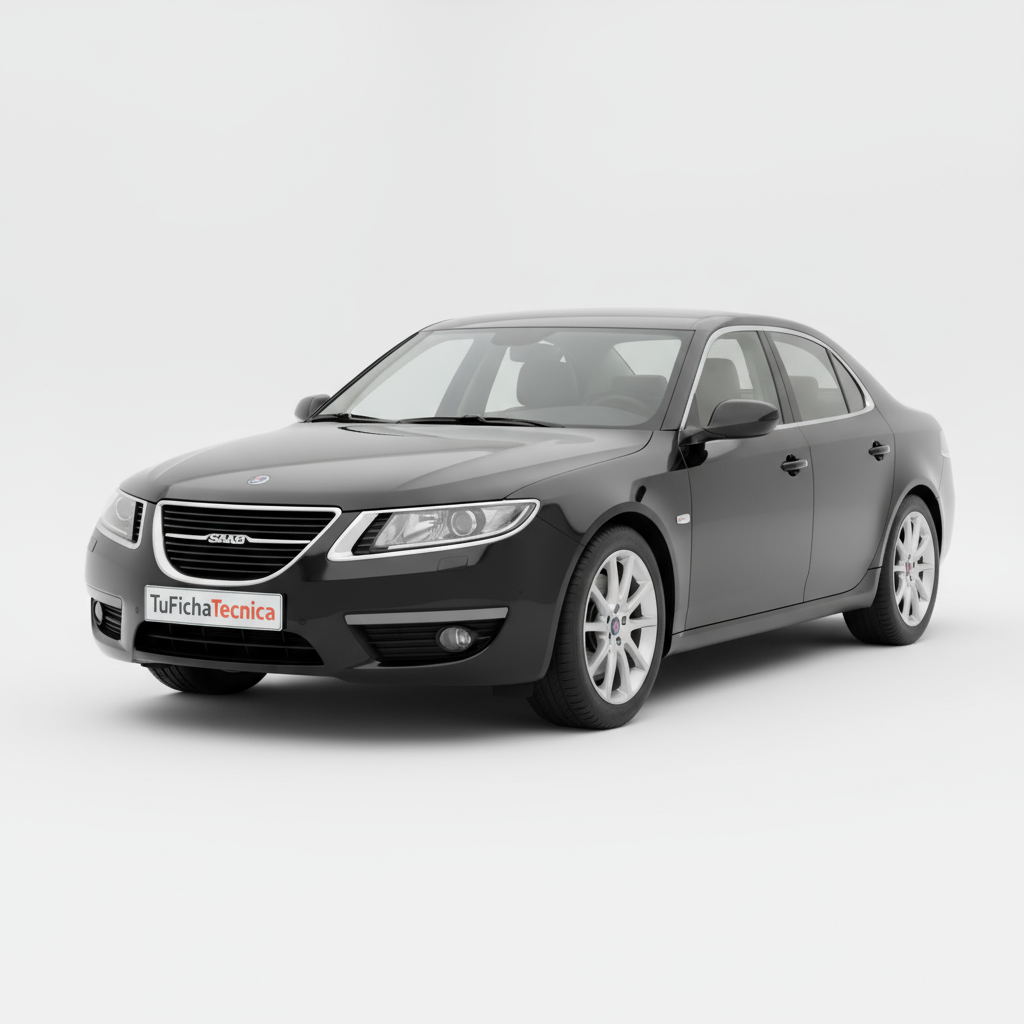
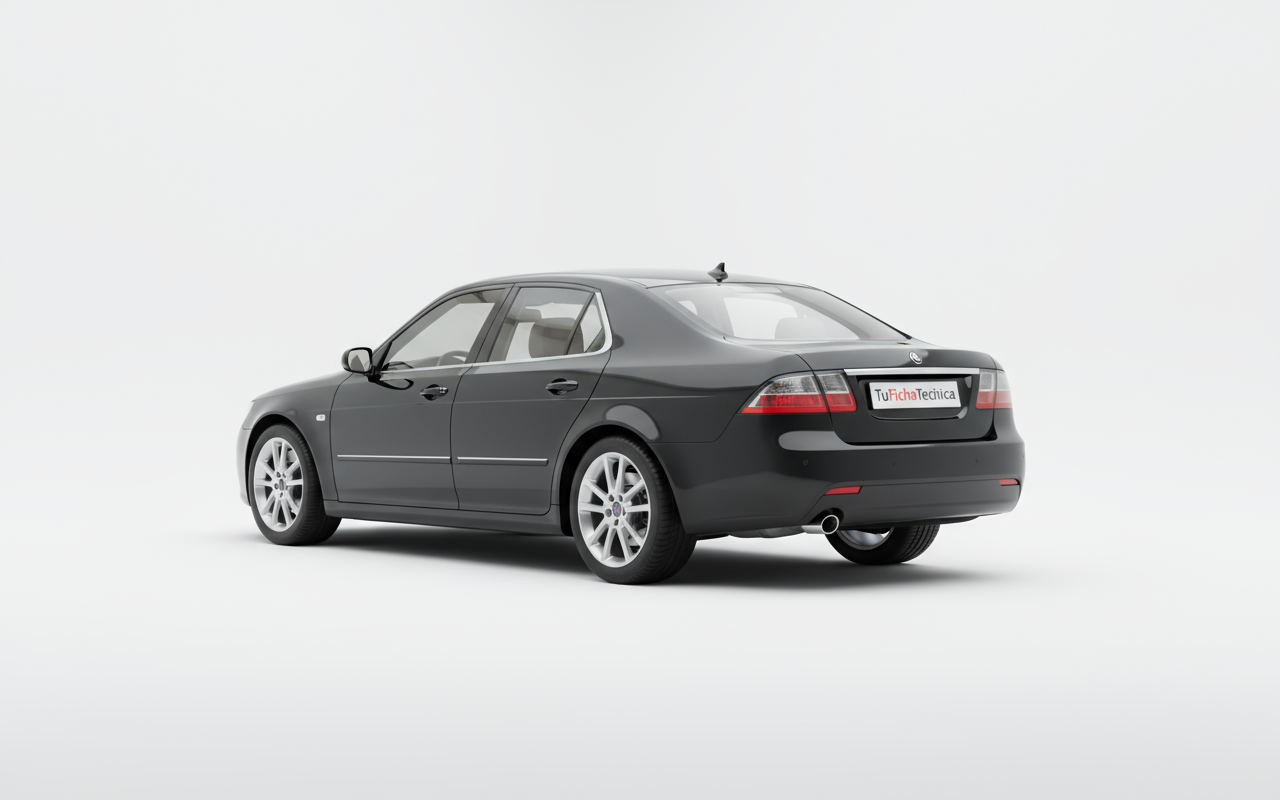
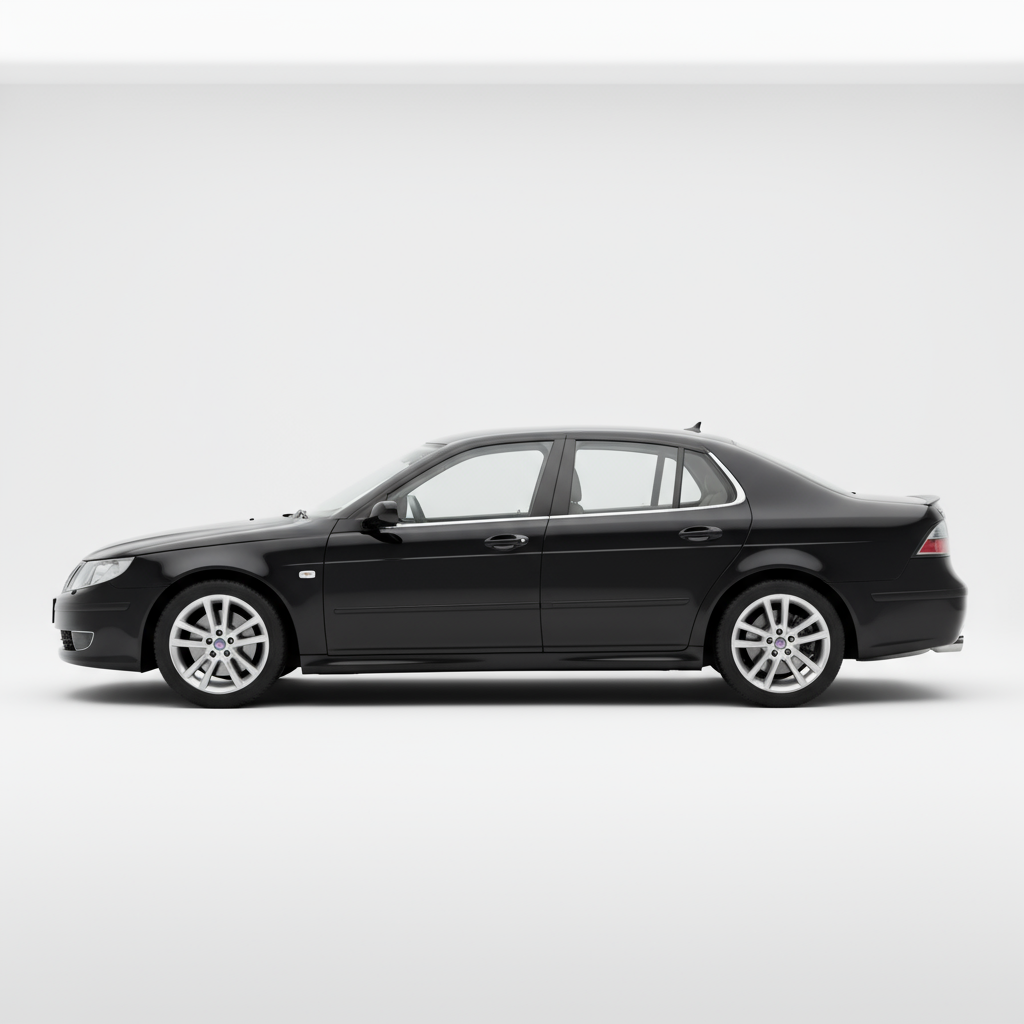
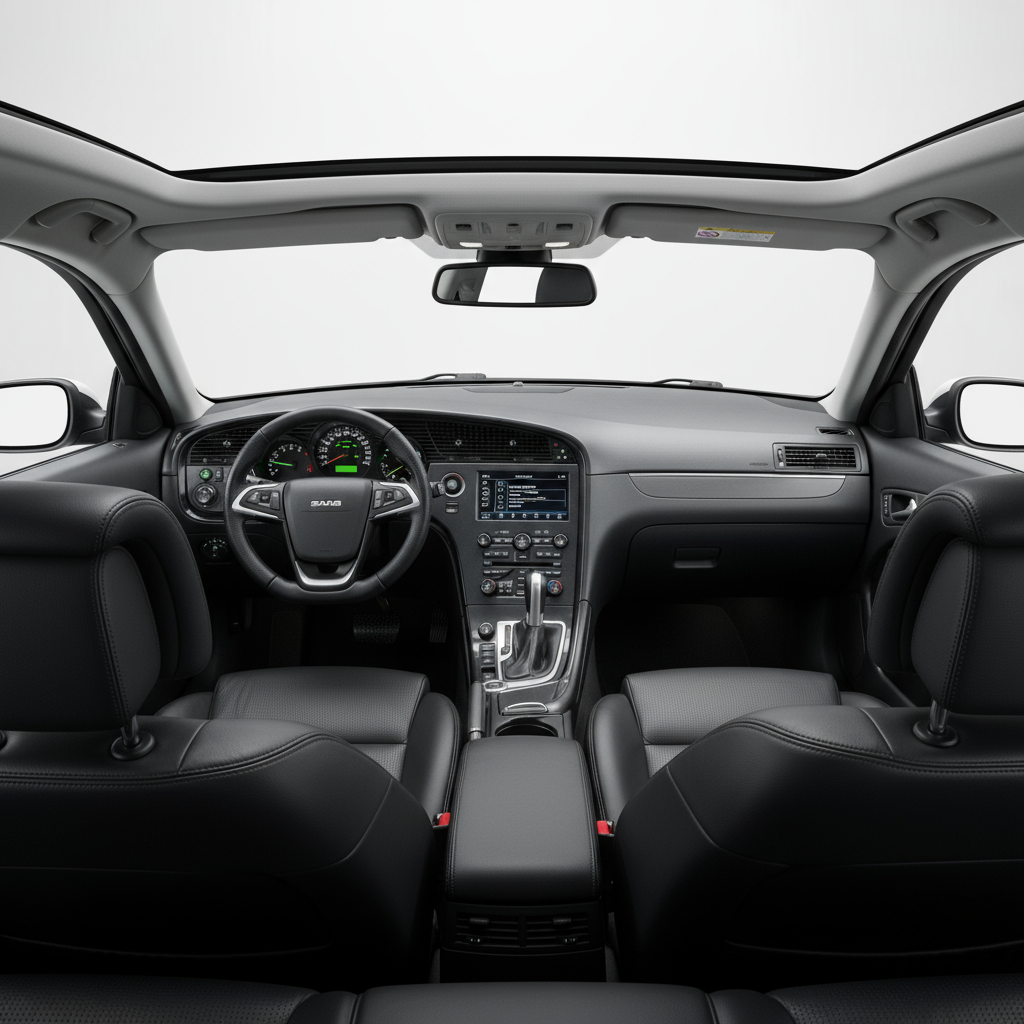
The design of the 2010 Saab 9-5 is a statement of intent. Its fluid and elegant lines, with a silhouette reminiscent of a coupé, distinguish it from the competition. The front, with the characteristic Saab grille and elongated headlights, gives it a penetrating gaze. The rear, with a light bar connecting the taillights, is modern and recognizable. Inside, the driver-oriented dashboard layout and the quality of the materials, with a Scandinavian touch, create a sophisticated and functional environment. It is a design that, even today, maintains its appeal and personality.
Technology and features
In terms of technology, the Saab 9-5 incorporated advanced solutions for its time. The 2.0 TiD engine, with common rail direct injection, variable geometry turbo, and intercooler, was an example of diesel efficiency. The 6-speed manual transmission offered precise handling. Although it did not stand out for a profusion of screens or driving assistance systems like current cars, it did offer complete equipment in terms of safety and comfort, with elements such as stability control, multiple airbags, and an effective climate control system. Its technology focused on mechanical engineering and the driving experience.
Competition
The 2010 Saab 9-5 faced tough competitors in the premium sedan segment. Its main rivals were the Audi A6, the BMW 5 Series, and the Mercedes-Benz E-Class, all with a consolidated reputation and a very advanced technological offering. It also competed with models such as the Volvo S80 or the Lexus GS. Compared to them, the Saab offered an alternative with a more distinctive design, a focus on safety, and high driving comfort, although it perhaps lacked the brand prestige or the variety of engines and customization options of its German adversaries.
Conclusion
The Saab 9-5 Sedan Linear 2.0TiD 160 hp is a car that, despite the brand's circumstances, left its mark. It is an elegant, comfortable sedan with a competent diesel engine that offers a good balance between performance and consumption. Its timeless design and its focus on safety and comfort make it an interesting option for those looking for something different in the used car market. It is a car with soul, representing the essence of Swedish engineering, and despite its end, it is still appreciated by brand enthusiasts.