
Especificaciones y análisis del Saab 9-5
Power
160HP
Torque
350Nm
Consumption
5.3l/100
Emissions
139g/km
0-100 km/h
9.9s
Top Speed
215km/h
Weight
1725kg
Price
37,500€
Technical summary
Gasóleo
Manual 6v
FWD
5 / 4 doors
515 L
70 L
118 kW
Current
Technical specifications
Engine
Capacities
Detailed analysis of the Saab 9-5 Sedan Vector 2.0TiD 160 CV (2010-2012)
General description
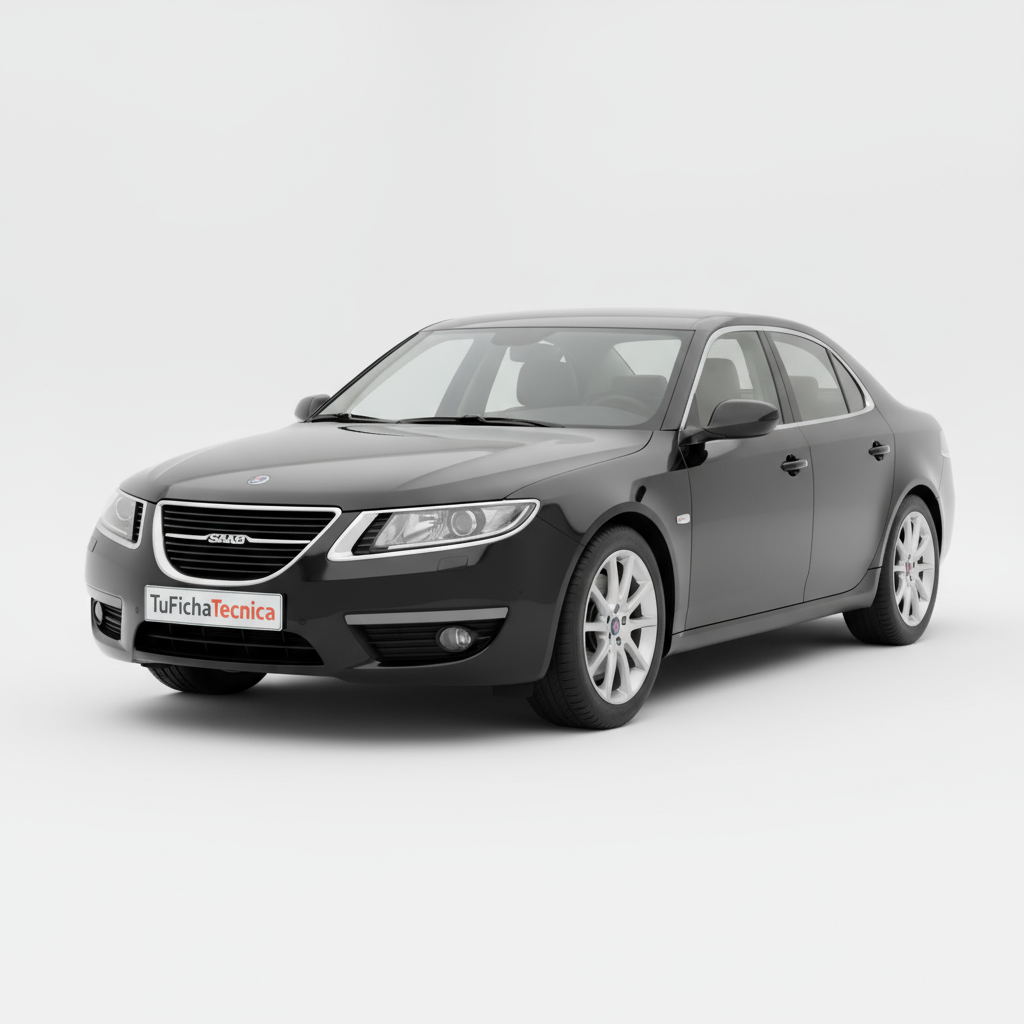
The Saab 9-5 Sedan Vector 2.0TiD 160 hp, launched in 2010, represents the last large sedan from the iconic Swedish brand. With a design that evokes Saab's aeronautical heritage and a clear commitment to safety and comfort, this model sought to compete in the premium segment with a distinctive proposal. Its efficient diesel engine, with good torque, promised a balance between performance and consumption, ideal for long journeys. Despite the difficulties the company was going through at the time, the 9-5 was presented as a swan song, a car with its own soul and character that still arouses passions among automotive enthusiasts today.
Driving experience
Behind the wheel of the Saab 9-5, the feeling is one of solidity and poise. The suspension, McPherson type at the front and deformable parallelogram at the rear, filters road irregularities with elegance, offering remarkable ride comfort. The 160 hp 2.0TiD engine, with its 350 Nm of torque from low revolutions, pushes decisively, allowing for safe overtakes and relaxed highway driving. The rack-and-pinion steering provides a good connection with the road, though without the sportiness of some of its German rivals. The spacious and well-insulated interior invites you to devour miles with a sense of security and well-being that few cars of its era could match. Acceleration from 0 to 100 km/h in 9.9 seconds and a top speed of 215 km/h are respectable figures for a sedan of its size and weight.
Design and aesthetics
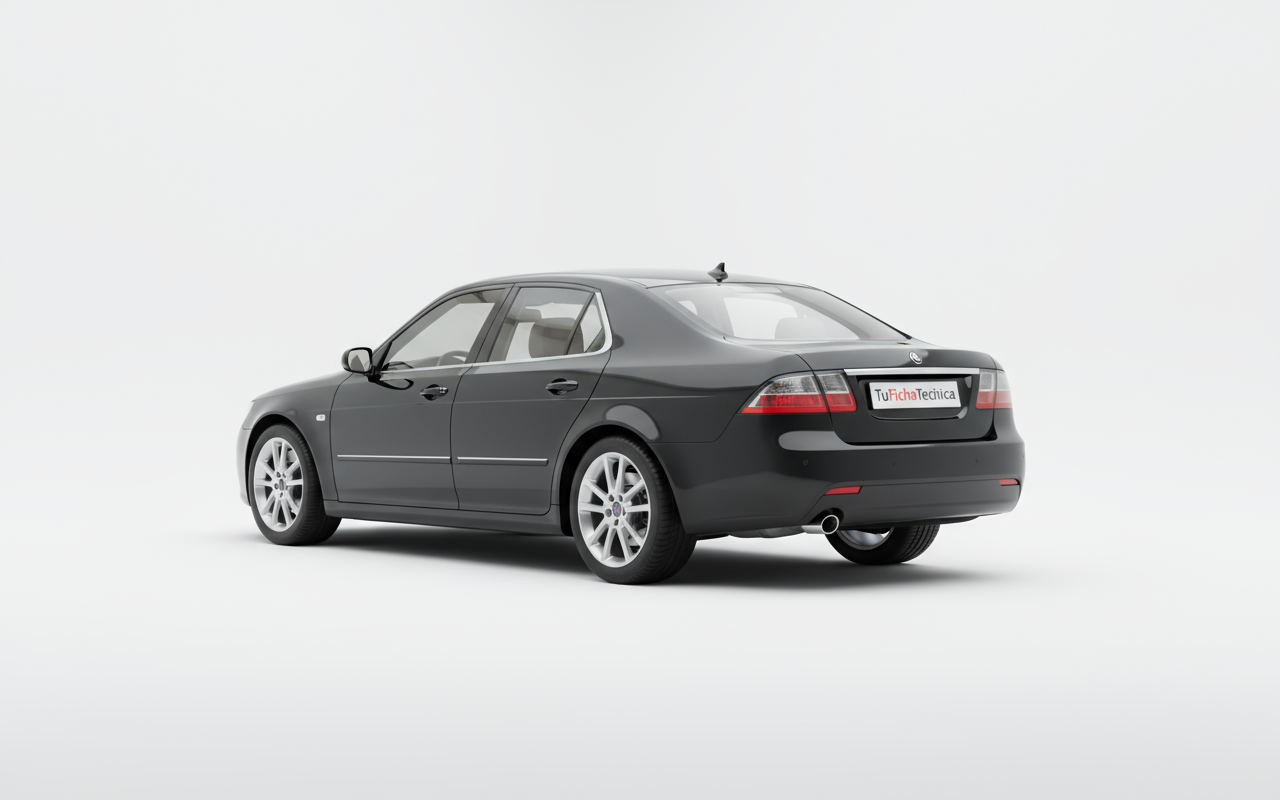
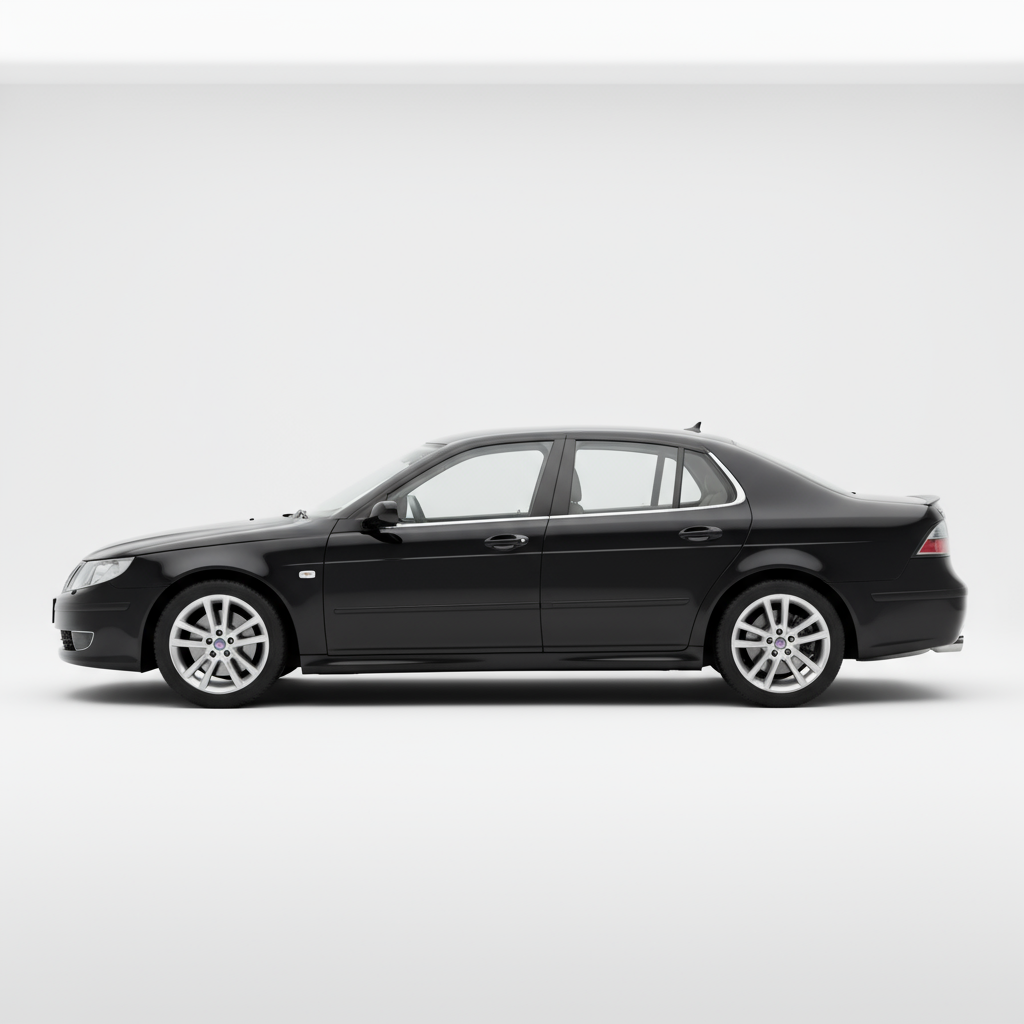
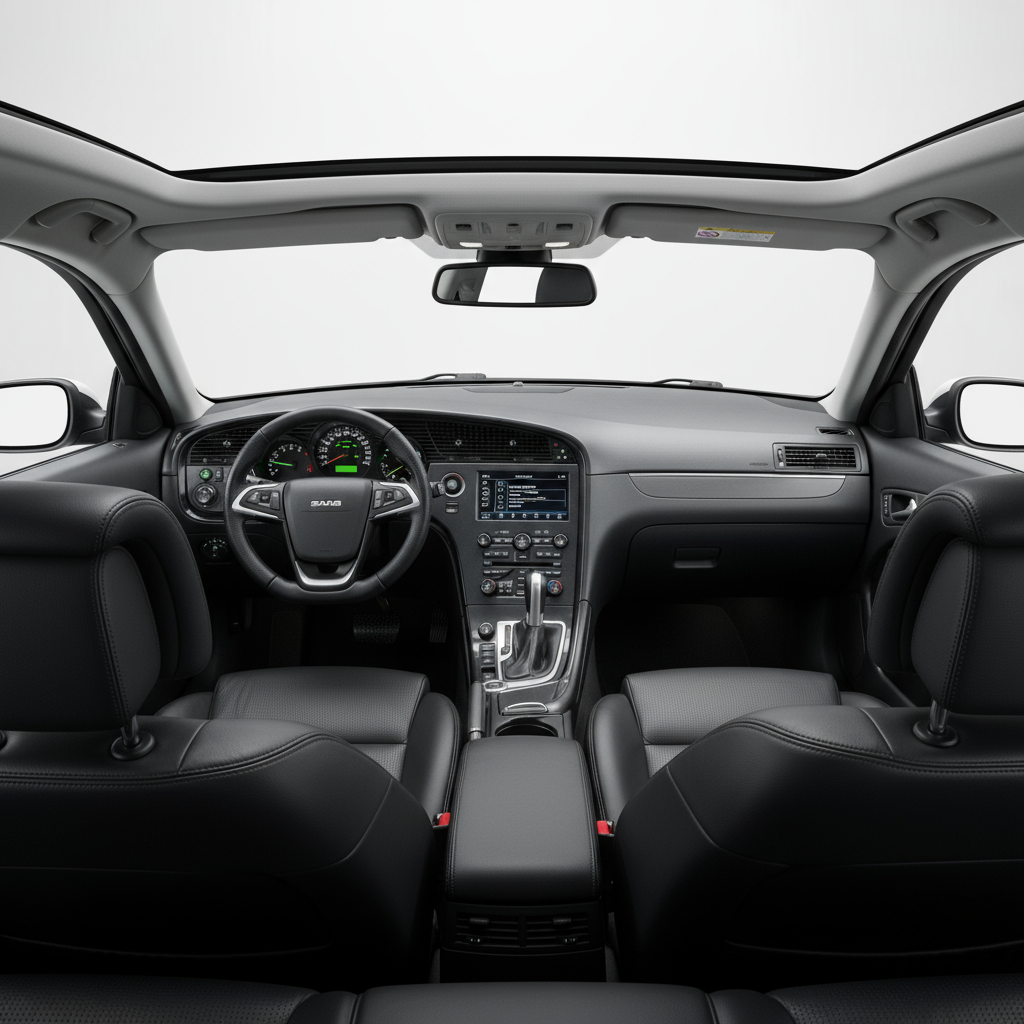
The design of the Saab 9-5 is unmistakably Saab, with fluid lines and a silhouette reminiscent of an aircraft. Its front, with the characteristic grille and elongated headlights, gives it an imposing and elegant presence. The rear, with an LED strip connecting the taillights, is modern and distinctive. Inside, ergonomics are key, with a driver-oriented dashboard and clear, legible instrumentation. The materials, though not always on par with German premiums, are of good quality and the fittings are solid. Scandinavian design is evident in its functionality and sobriety, creating a welcoming and practical environment. Dimensions of 5008 mm long, 1868 mm wide, and 1466 mm high, along with a wheelbase of 2837 mm, give it a majestic presence on the road.
Technology and features
In 2010, the Saab 9-5 incorporated advanced technology for its time. The 160 hp 2.0TiD engine, with common rail direct injection, variable geometry turbo, and intercooler, was an example of diesel efficiency. The 6-speed manual transmission offered precise handling. In terms of safety, Saab was always a pioneer, and this model was no exception, with multiple airbags and driving assistance systems. Although it didn't have the touchscreens and connectivity of current cars, its infotainment system was functional and easy to use. The suspension, with a McPherson setup at the front and a deformable parallelogram at the rear, along with 296 mm ventilated disc brakes at the front and 292 mm discs at the rear, ensured dynamic and safe handling. A combined consumption of 5.3 l/100km and CO2 emissions of 139 g/km placed it in a good position in terms of efficiency.
Competition
The Saab 9-5 competed in a very demanding segment, facing heavyweights like the BMW 5 Series, the Mercedes-Benz E-Class, and the Audi A6. It also measured up against the Volvo S80, its Swedish compatriot. Compared to them, the Saab offered a more personal and less conventional alternative, with a distinctive design and a focus on safety and comfort. Although it perhaps didn't achieve the technological sophistication or sportiness of some of its German rivals, its unique character and aeronautical heritage made it an attractive option for those seeking something different. Its price of €37,500 positioned it competitively in the segment.
Conclusion
The Saab 9-5 Sedan Vector 2.0TiD 160 hp is a car with a special charm, a true Saab to the core. It offers exceptional ride comfort, timeless design, and an unparalleled sense of security. Despite the circumstances surrounding its launch and the subsequent cessation of the brand, this model remains a testament to Saab's engineering and innovative spirit. It is an ideal sedan for those who value distinction, comfort on long journeys, and a touch of exclusivity. A car that will undoubtedly leave an emotional mark on its owner.