
Especificaciones y análisis del Saab 9-5
Power
220HP
Torque
350Nm
Consumption
9.1l/100
Emissions
209g/km
0-100 km/h
8.5s
Top Speed
235km/h
Weight
1750kg
Price
40,100€
Technical summary
Gasolina o etanol
Automático 6v
FWD
5 / 4 doors
515 L
70 L
162 kW
Current
Technical specifications
Engine
Capacities
Detailed analysis of the Saab 9-5 Sedan Linear 2.0T 220 CV BioPower Aut. (2010-2012)
General description
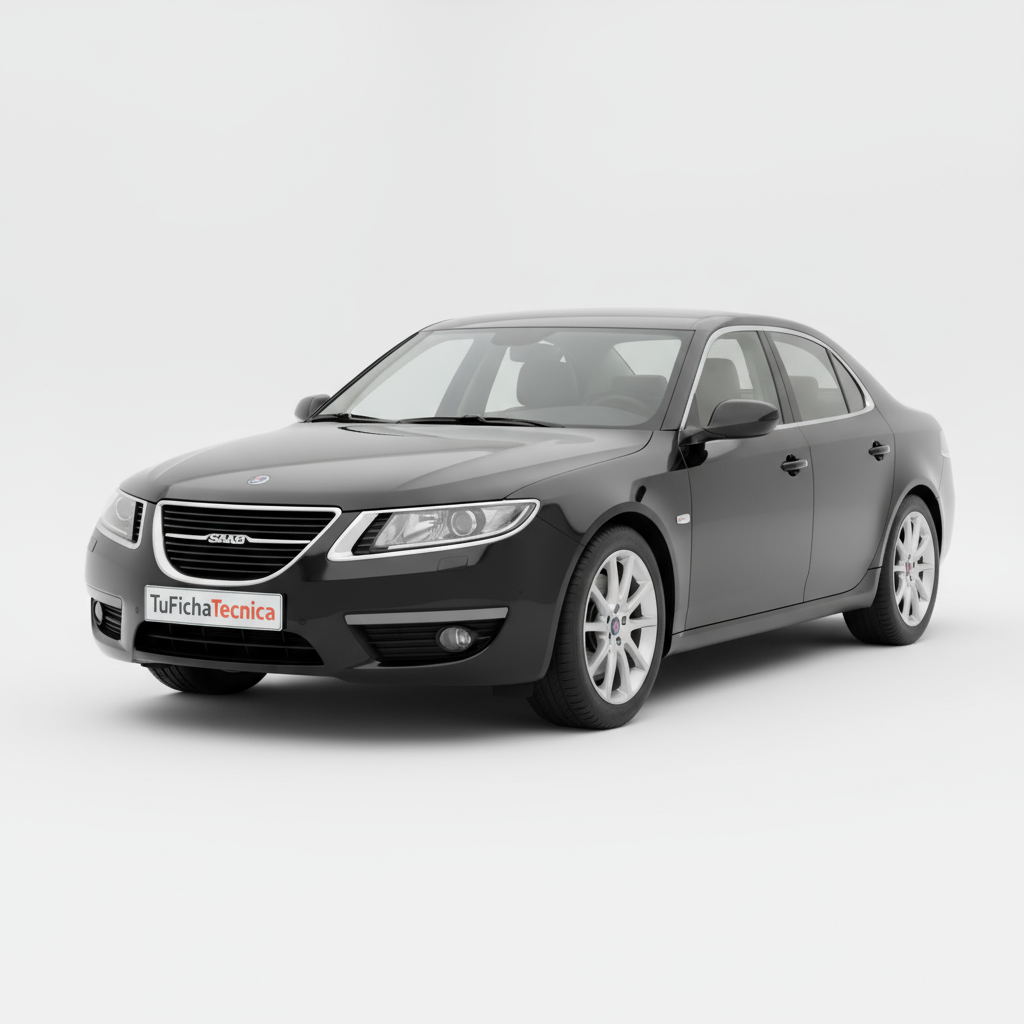
The 2010 Saab 9-5 Sedan Linear 2.0T 220 HP BioPower Aut. is a sedan that embodies the essence of the Swedish brand: innovation, safety, and a touch of distinction. This model, with its BioPower engine, offered an interesting alternative in a market dominated by traditional fuels, demonstrating Saab's commitment to sustainability without sacrificing performance. Its presence on the road was unmistakable, a car for those who sought something beyond the conventional.
Driving experience
Behind the wheel of the Saab 9-5, the feeling is one of solidity and control. The 2.0T 220 HP engine, combined with the 6-speed automatic transmission, provides a smooth yet powerful response, capable of accelerating from 0 to 100 km/h in 8.5 seconds. The suspension, McPherson type at the front and deformable parallelogram at the rear, along with anti-roll bars, ensures excellent road holding and remarkable comfort, absorbing road irregularities with elegance. The precise and communicative steering invites you to enjoy every journey, while the ventilated front disc brakes and solid rear brakes guarantee safe and effective stopping. It's a car that envelops you, makes you feel safe, and allows you to enjoy driving with a tranquility that few vehicles of its era could offer.
Design and aesthetics
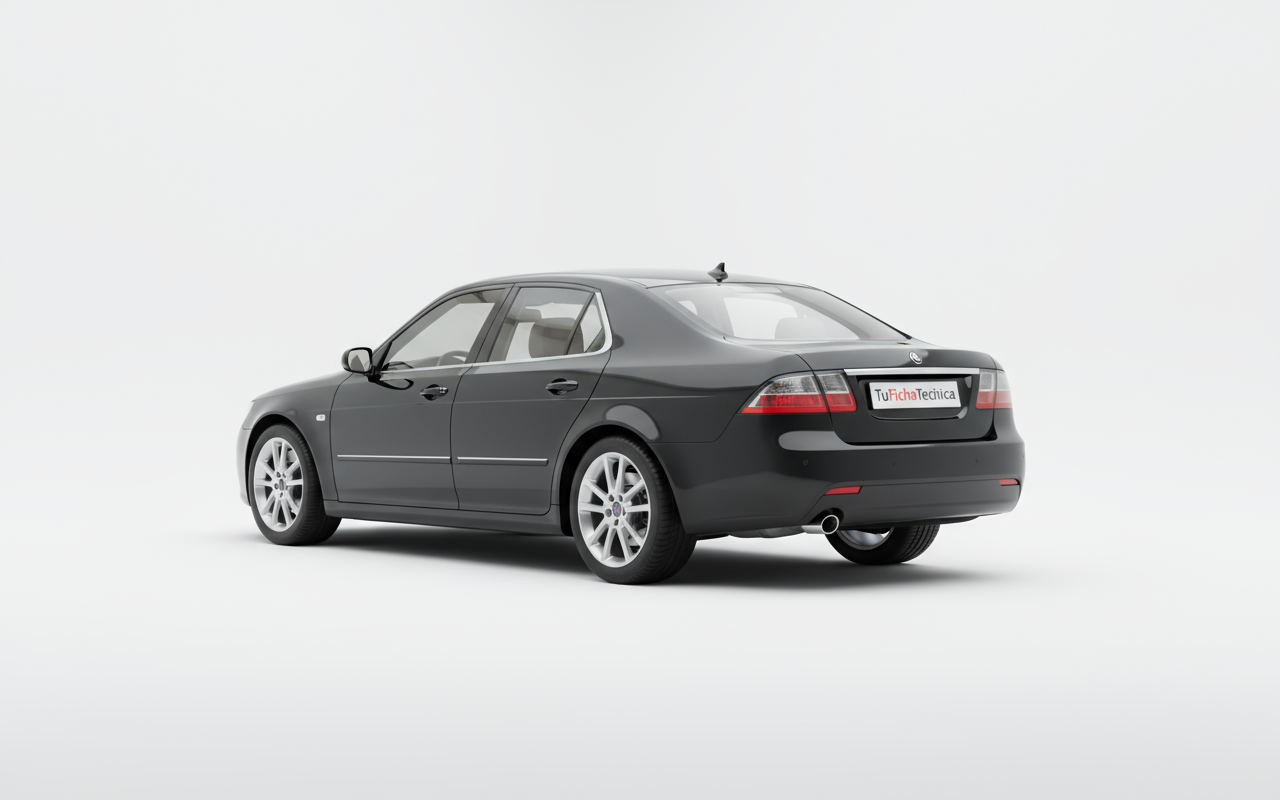
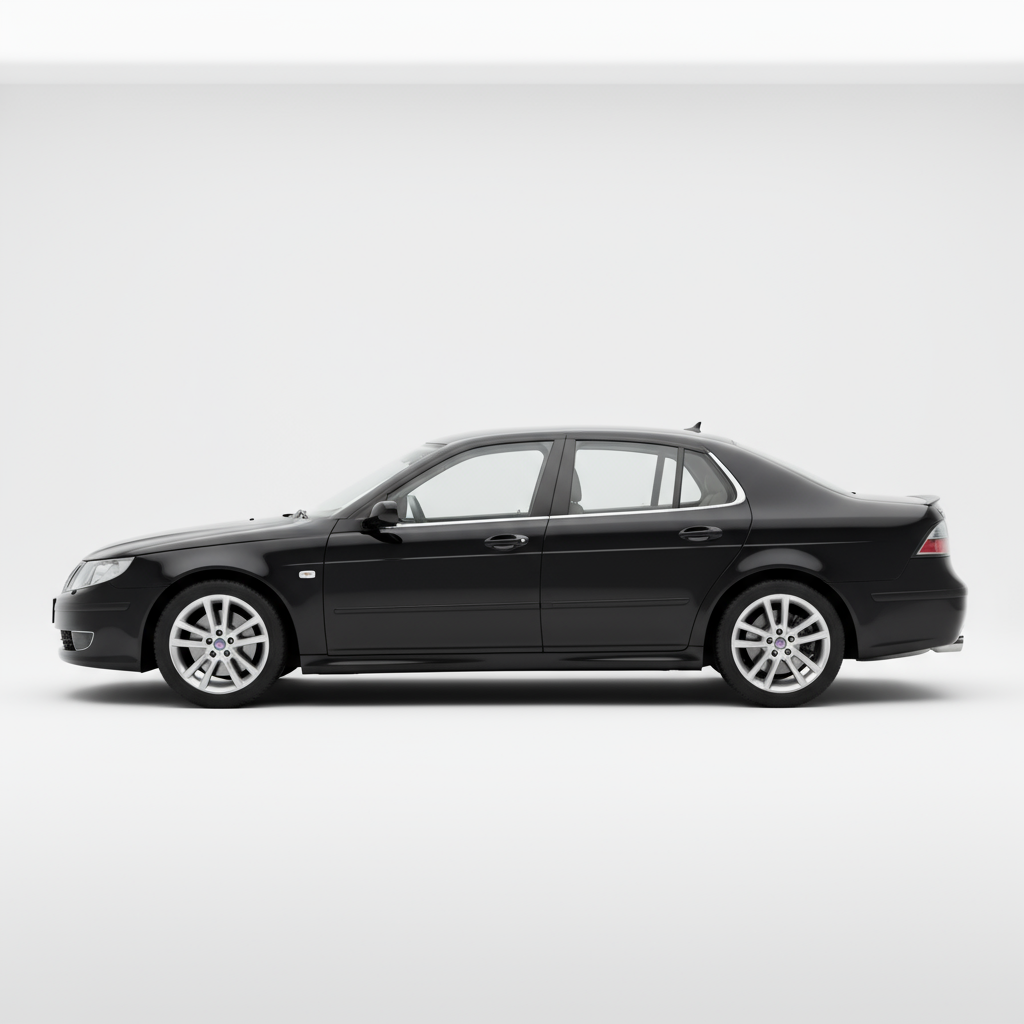
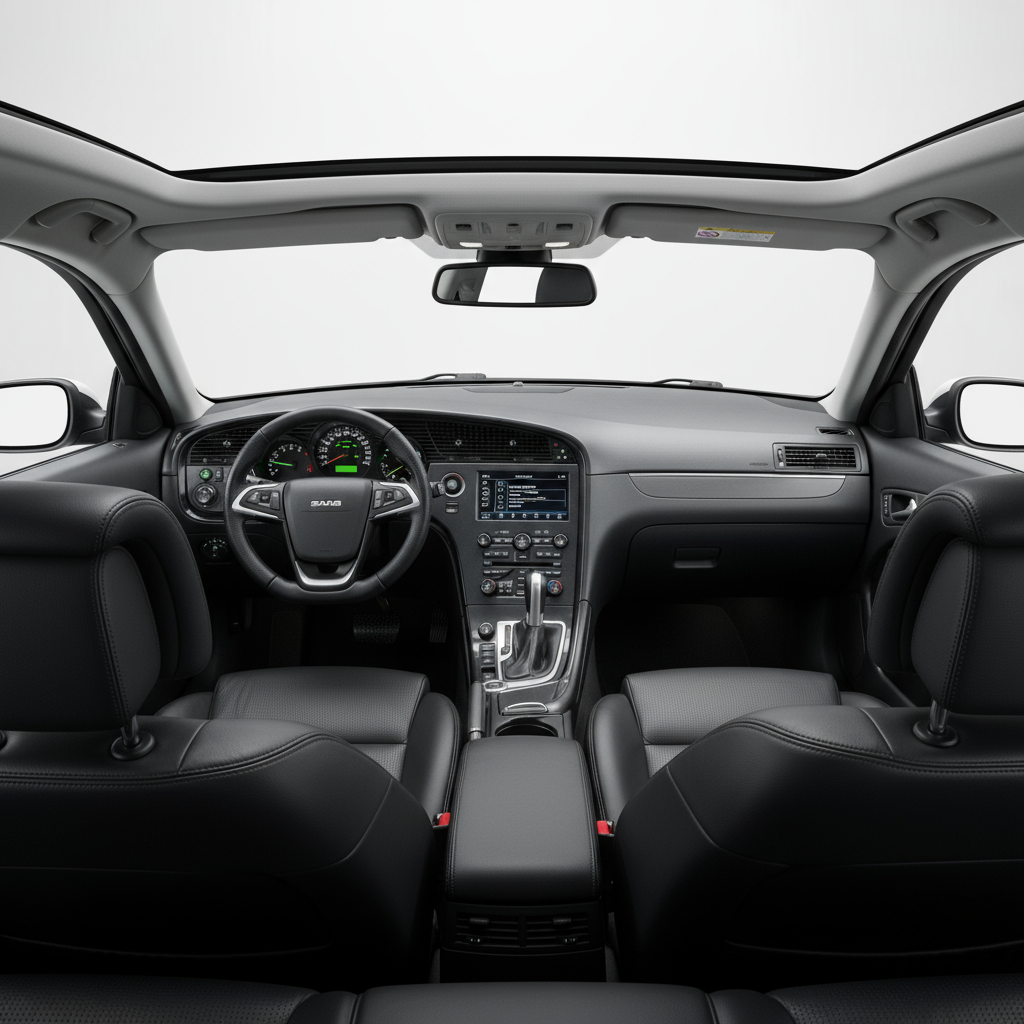
The design of the 2010 Saab 9-5 is a statement of intent. With its 5008 mm length, 1868 mm width, and 1466 mm height, it projects an imposing and elegant image. The fluid lines and aerodynamic silhouette are not only aesthetically pleasing but also contribute to its efficiency. The front, with the characteristic Saab grille and distinctive headlights, gives it a unique personality. Inside, functionality and ergonomics are paramount, with a driver-oriented dashboard and quality materials that create a sophisticated and welcoming atmosphere. The 515-liter trunk is generous, offering ample capacity for luggage, making it an ideal companion for long journeys.
Technology and features
The 2010 Saab 9-5 incorporated advanced technology for its time. Its 2.0T BioPower engine not only offered 220 HP of power but was also capable of running on bioethanol (E85), a testament to Saab's forward-thinking vision regarding alternative fuels. Direct injection, turbo, and intercooler optimized performance and efficiency. The 6-speed automatic transmission managed power smoothly, contributing to a refined driving experience. Although it didn't have the touchscreens and connectivity of modern cars, its standard and optional equipment included elements that improved safety and comfort, such as a robust braking system and precise steering. The engine's aluminum construction, both block and cylinder head, was an engineering detail that sought lightness and durability.
Competition
In its segment, the Saab 9-5 competed with premium sedans such as the Audi A6, BMW 5 Series, and Mercedes-Benz E-Class. Compared to them, the Saab offered an alternative with a more individualistic character and a focus on safety and innovation that set it apart. While its German rivals could boast a greater variety of engines and customization options, the Saab 9-5 stood out for its distinctive design, its commitment to BioPower technology, and a driving experience that prioritized comfort and solidity. It was the choice for those seeking a luxury sedan with a Scandinavian touch and its own personality.
Conclusion
The 2010 Saab 9-5 Sedan Linear 2.0T 220 HP BioPower Aut. is a car that, despite the brand's vicissitudes, remains an example of engineering and design. It offers a combination of performance, comfort, and safety that makes it an attractive option for those who value distinction and quality. Its ability to run on bioethanol positioned it as a vehicle ahead of its time in terms of sustainability. It's a car that invites you to enjoy the road, feel safe, and appreciate Swedish craftsmanship in every detail. A true modern classic that can still offer much satisfaction to its owners today.