
Especificaciones y análisis del Saab 9-5
Power
220HP
Torque
350Nm
Consumption
9.4l/100
Emissions
218g/km
0-100 km/h
8.5s
Top Speed
235km/h
Weight
-kg
Price
39,600€
Technical summary
Gasolina
Automático 6v
FWD
5 / 4 doors
515 L
70 L
162 kW
Current
Technical specifications
Engine
Capacities
Detailed analysis of the Saab 9-5 Sedan Linear 2.0T 220 CV Aut. (2010)
General description
The 2010 Saab 9-5, in its Sedan Linear 2.0T 220 hp version with automatic transmission, represents the last incarnation of the Swedish vision of luxury automotive. With a 2.0-liter, 220 hp gasoline engine, this vehicle not only promised performance but also a distinctive driving experience, true to Saab's heritage. Launched at a time of uncertainty for the brand, this model sought to reassert its position in the premium sedan segment, offering a unique alternative to the German giants.
Driving experience
Behind the wheel of the Saab 9-5, the feeling is one of solidity and comfort. The 2.0T 220 hp engine, with its direct injection and turbo, delivers smooth yet forceful power, capable of accelerating from 0 to 100 km/h in 8.5 seconds and reaching a top speed of 235 km/h. The 6-speed automatic transmission manages power fluidly, making long journeys a pleasure. The suspension, McPherson type at the front and deformable parallelogram at the rear, effectively filters out road irregularities, providing a balance between comfort and safe handling. The rack-and-pinion steering offers precise response, though without the sporty agility of some of its rivals. Overall, the experience is of a mature and refined car, ideal for those who value tranquility and safety on the road.
Design and aesthetics
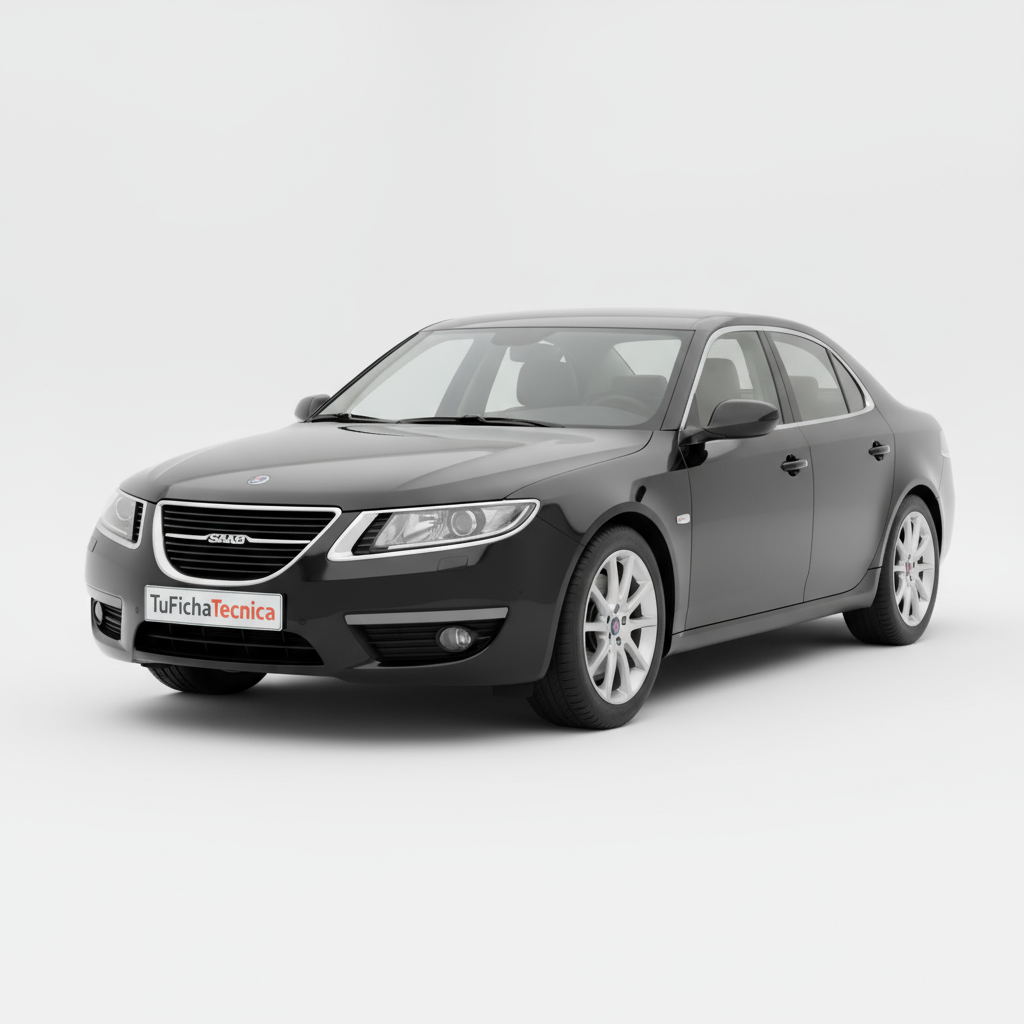
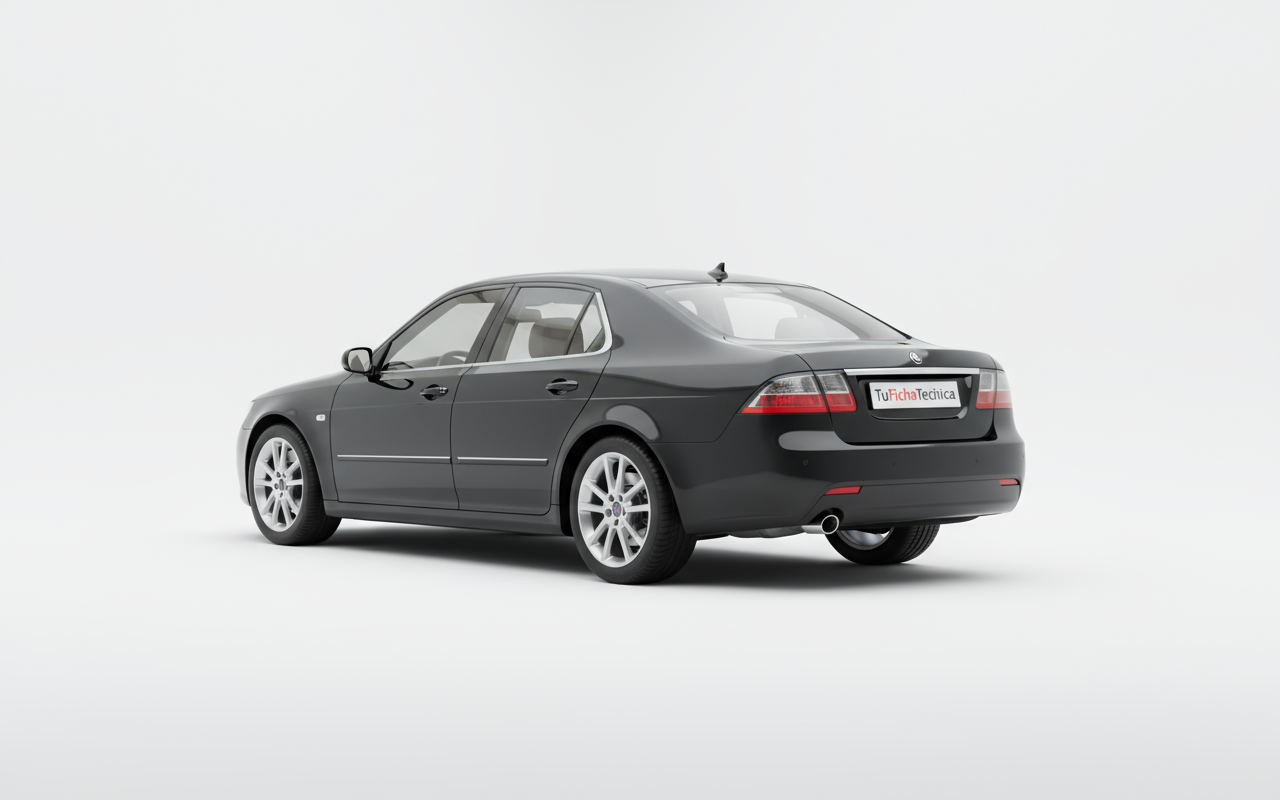
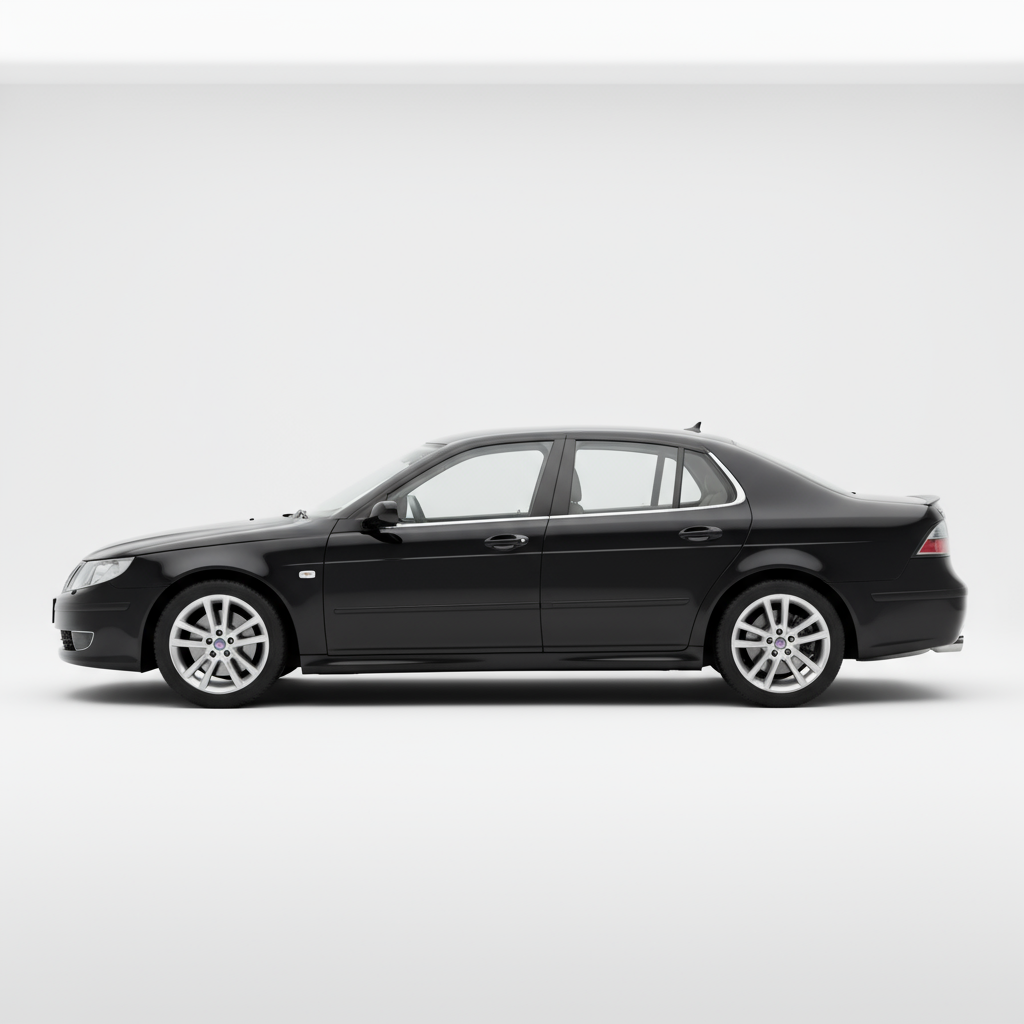
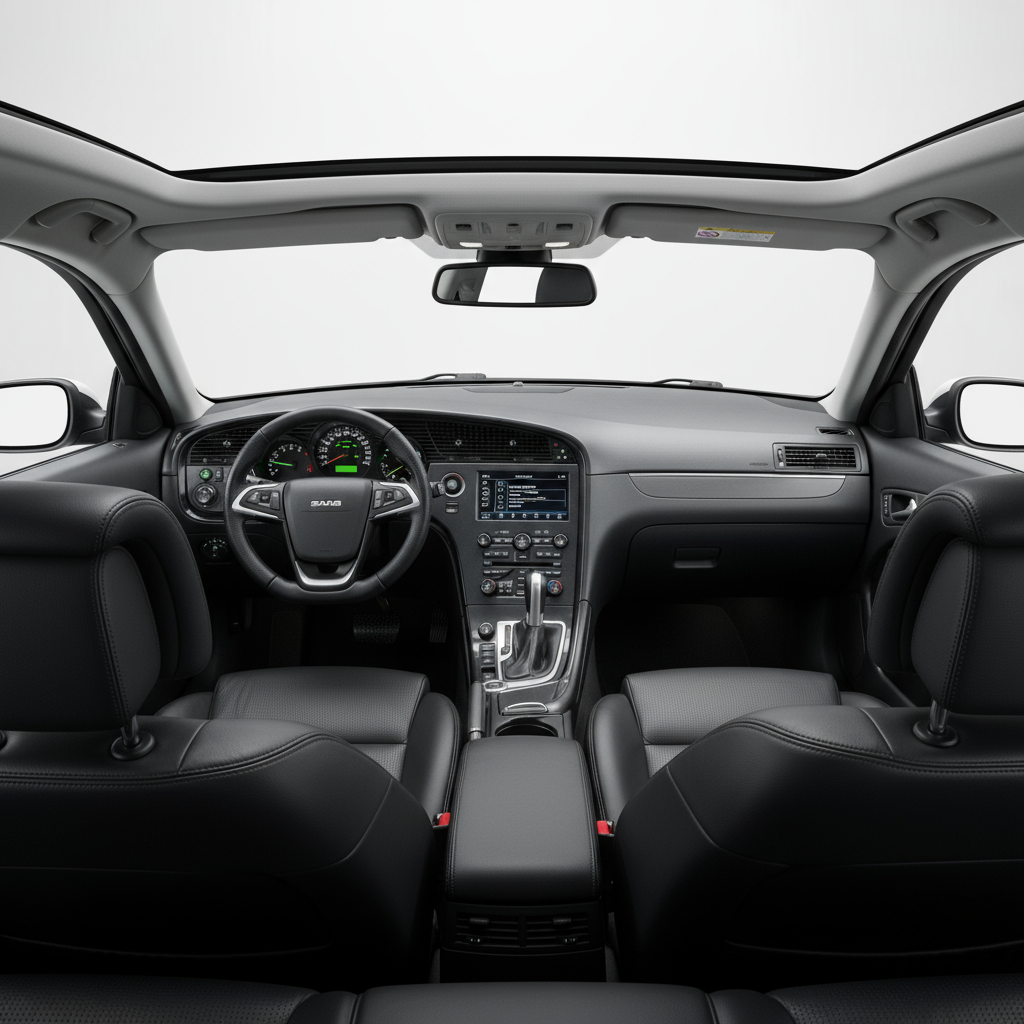
The design of the 2010 Saab 9-5 is an evolution of the brand's aesthetic language, with more modern lines and an imposing presence. Its 5008 mm length gives it an elegant and elongated silhouette, while the characteristic Saab grille and distinctive headlights maintain the brand's identity. The interior, though sober, stands out for its ergonomics and material quality. The driver-oriented dashboard, with its clear instrumentation and the famous 'Night Panel' function, which turns off unnecessary lights to reduce distractions, are details that reflect Saab's aeronautical philosophy. It is a design that, without being ostentatious, radiates discreet and functional sophistication.
Technology and features
In terms of technology, the 2010 Saab 9-5 incorporated advanced solutions for its time. The 2.0T engine with direct injection, turbo, and intercooler is an example of efficient engineering. The 6-speed automatic transmission, although not the fastest on the market, offered smooth and reliable operation. Inside, although no state-of-the-art infotainment systems are detailed, Saab always focused on safety and ergonomics. The braking system, with 296 mm ventilated discs at the front and 292 mm discs at the rear, guaranteed effective braking. The independent suspension on both axles contributed to balanced dynamic behavior.
Competition
The 2010 Saab 9-5 faced tough competitors in the premium sedan segment. Its main rivals were the Audi A6, the BMW 5 Series, and the Mercedes-Benz E-Class. Compared to them, the Saab offered an alternative with a more distinctive design, a focus on safety and ergonomics, and a less conventional character. Although it perhaps did not achieve the same technological sophistication or brand image as its German rivals, the 9-5 appealed to an audience looking for something different, with a touch of exclusivity and its own personality.
Conclusion
The 2010 Saab 9-5 is a car that, despite the brand's circumstances, managed to maintain the essence of Saab. It offers a combination of comfort, performance, and distinctive design that makes it an interesting option for those seeking a premium sedan with character. Its powerful engine and smooth transmission make it ideal for long journeys, while its ergonomic and well-finished interior provides a pleasant driving experience. It is a car that, although not without market challenges, represents an important chapter in the history of Swedish automotive and continues to be appreciated by brand enthusiasts.