
Especificaciones y análisis del Skoda Octavia
Power
90HP
Torque
210Nm
Consumption
5.2l/100
Emissions
-g/km
0-100 km/h
13.7s
Top Speed
178km/h
Weight
1295kg
Price
17,069€
Technical summary
Gasóleo
Manual 5v
FWD
5 / 5 doors
548 L
55 L
66 kW
Current
Technical specifications
Engine
Capacities
Detailed analysis of the Skoda Octavia Combi GLX TDI · 90 CV (1999-2000)
General description
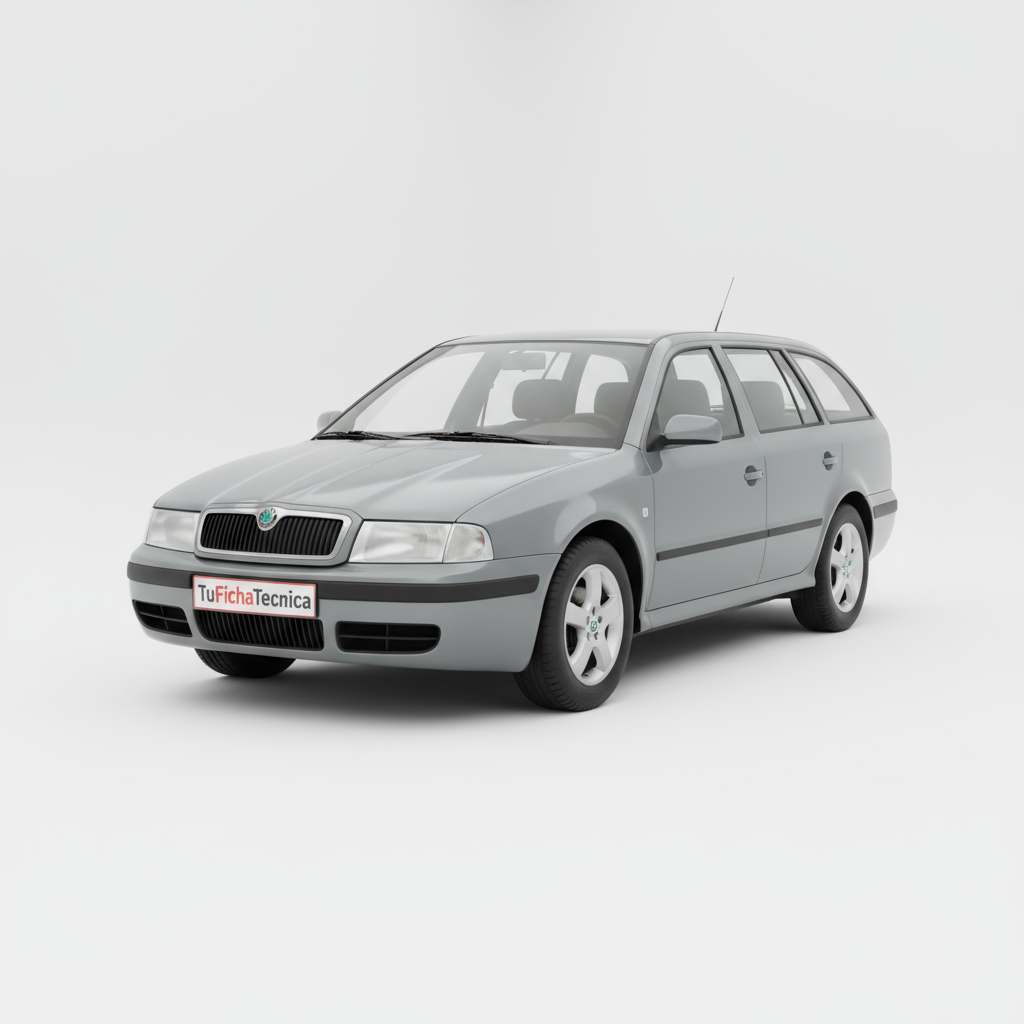
The 2000 Skoda Octavia Combi GLX TDI is a vehicle that, at first glance, might go unnoticed, but it holds a very interesting value proposition. This estate car, with its 90 hp diesel engine, presents itself as a practical and economical option for those looking for a reliable and spacious car without great pretensions. Its sober and functional design hides surprising habitability and a generous boot, characteristics that make it an ideal companion for daily life and family trips. In its time, it represented an intelligent alternative to more expensive models, offering solid build quality and efficient performance.
Driving experience
Behind the wheel of the Octavia Combi GLX TDI, the predominant feeling is one of solidity and comfort. The 90 hp diesel engine, although not an extravagance of power, delivers its 210 Nm of torque at low revolutions (1900 rpm), which translates into a pleasant and sufficient response for most situations. The acceleration from 0 to 100 km/h in 13.7 seconds and a top speed of 178 km/h are modest figures, but adequate for an estate car in its segment. The suspension, McPherson type at the front and trailing arm with torsional element at the rear, filters out road irregularities well, offering a smooth and uneventful ride. The steering, although not the most communicative, performs its function with precision. In general, it is a car that invites relaxed driving, without fanfare, but with the confidence of knowing that it responds when required.
Design and aesthetics
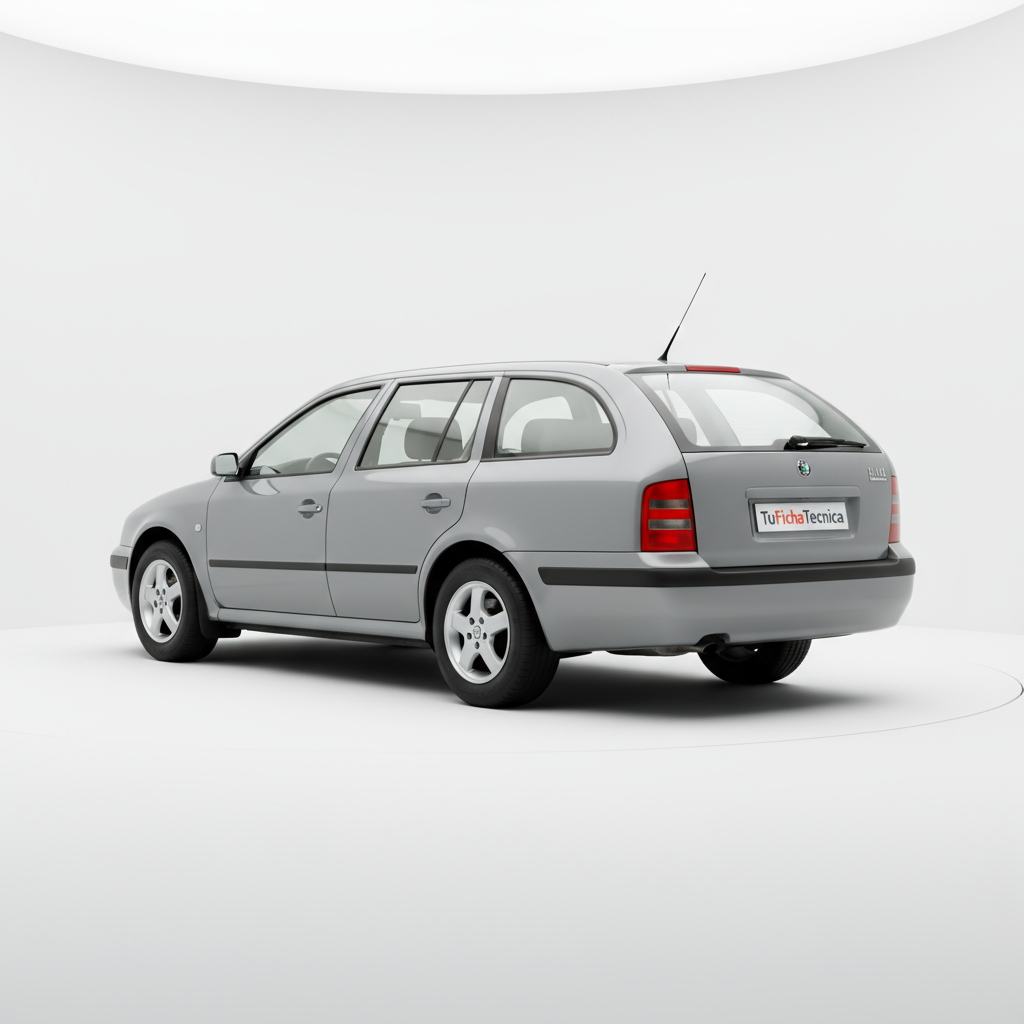
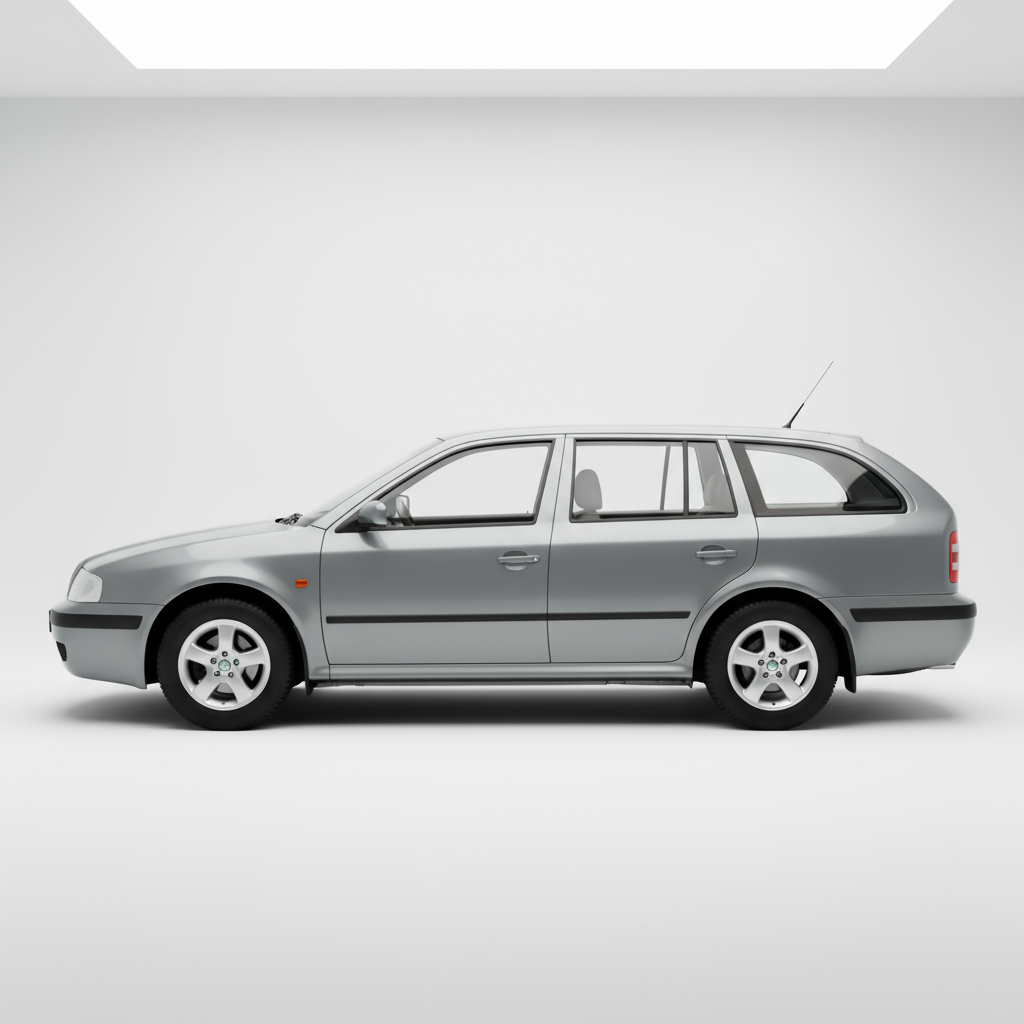
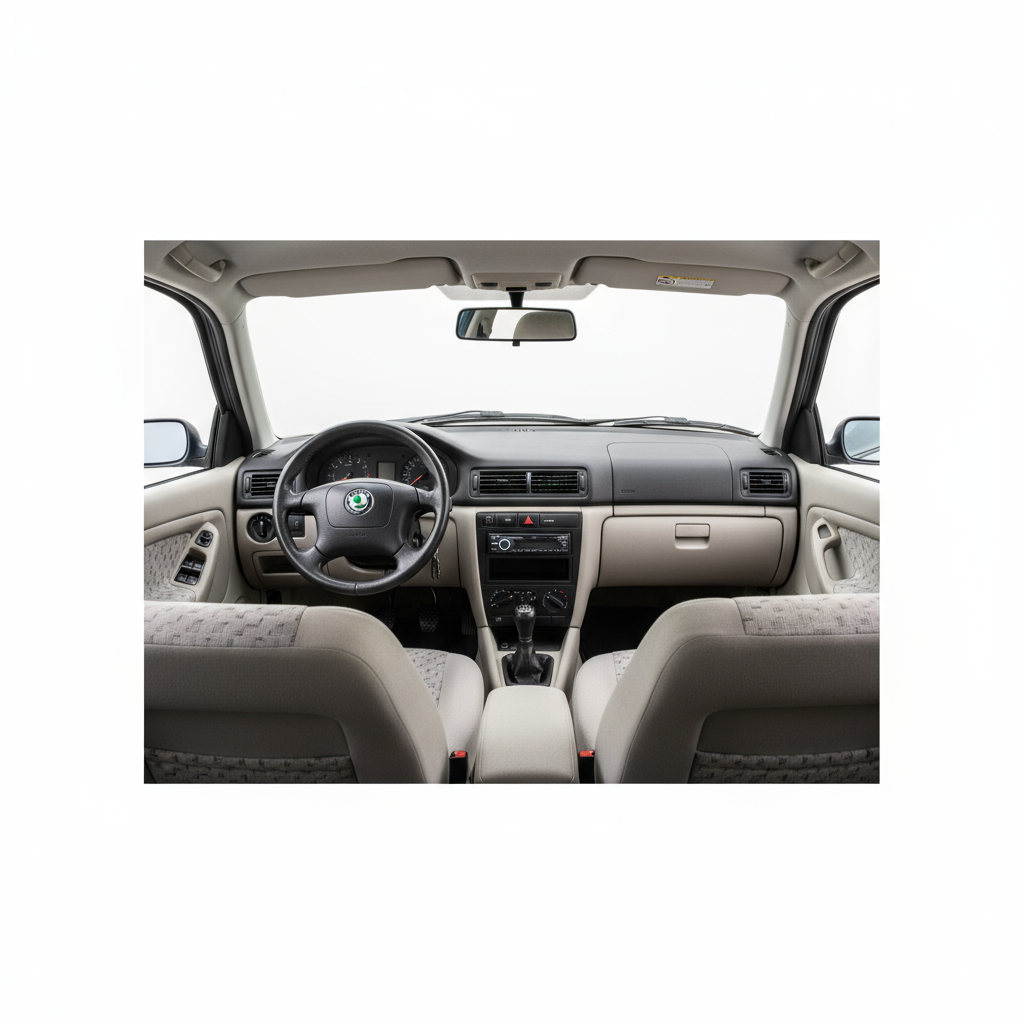
The design of the Skoda Octavia Combi GLX TDI is a reflection of the brand's philosophy at that time: functional, discreet, and timeless. Its lines are clean and simple, without superfluous adornments, which gives it a sober elegance. The estate body, with its 4511 mm length, 1731 mm width, and 1448 mm height, maximizes interior space and cargo capacity. The front, with its rectangular headlights and characteristic Skoda grille, conveys an image of robustness. The rear, with a wide tailgate and well-integrated lights, facilitates access to the 548-liter boot, one of its strong points. Inside, the arrangement of elements is logical and ergonomic, with materials that, without being luxurious, are durable and pleasant to the touch. It is a design that prioritizes functionality and practicality over ostentation.
Technology and features
In 2000, the Skoda Octavia Combi GLX TDI incorporated technology that, while not cutting-edge, was effective and reliable. Its 1.9 TDI direct injection, turbo, and intercooler engine was one of the jewels in the crown of the Volkswagen Group, known for its efficiency and durability. The well-geared 5-speed manual transmission contributed to optimizing fuel consumption, which stood at an excellent 5.2 l/100km in the combined cycle. In terms of safety, it had 256 mm front disc brakes and rear drums, a common configuration at the time. The suspension, with anti-roll bars on both axles, ensured good dynamic behavior. Although it lacked modern driving aids, its technology focused on offering a safe and efficient driving experience, with an emphasis on durability and low maintenance costs.
Competition
In the compact diesel estate segment of 2000, the Skoda Octavia Combi GLX TDI faced varied competition. Among its main rivals were models such as the Volkswagen Golf Variant TDI, the Ford Focus Wagon TDDi, the Opel Astra Caravan DTI, or the Peugeot 306 Break HDi. Compared to them, the Octavia Combi stood out for offering a very competitive price-quality ratio, a benchmark boot in its category, and the proven reliability of its TDI engine. Although it might not have the same brand cachet as a Volkswagen or the agility of a Focus, its proposition of space, economy, and robustness made it a very attractive option for an audience that valued practicality above all else.
Conclusion
The 2000 Skoda Octavia Combi GLX TDI is a car that, despite the passage of time, remains an example of practical and efficient engineering. Its combination of a reliable and economical diesel engine, generous interior space, and a class-leading boot make it an ideal vehicle for families or for those who need a versatile car for daily use. It is not a car that seeks to excite with sporty performance or a groundbreaking design, but rather focuses on fulfilling its function competently and without complications. It is an honest, robust travel companion with low maintenance costs, offering a comfortable and safe driving experience. In short, a car that, without great fanfare, more than delivers on its promises.