
Especificaciones y análisis del Skoda Pickup
Power
68HP
Torque
106Nm
Consumption
-l/100
Emissions
-g/km
0-100 km/h
-s
Top Speed
155km/h
Weight
905kg
Price
6,785€
Technical summary
Gasolina
Manual 5v
FWD
2 / - doors
- L
42 L
50 kW
Current
Technical specifications
Engine
Capacities
Detailed analysis of the Skoda Pickup 1.3i lona plastificada · 68 CV (2000)
General description
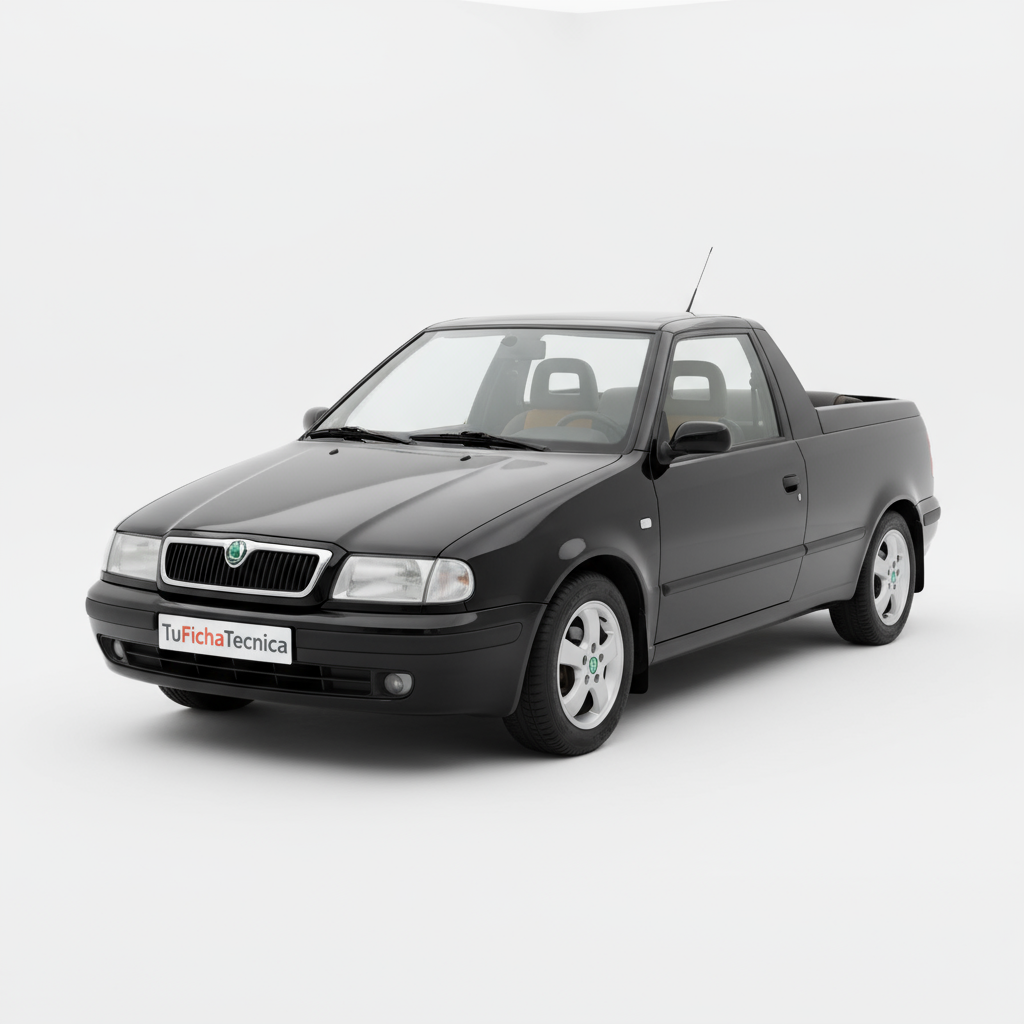
The 1999 Skoda Pickup, in its 1.3i version with a plasticized canvas cover, is a vehicle that evokes an era of functionality and simplicity. Priced at €6,785, this model was presented as an accessible and practical option for those seeking a reliable and unpretentious work companion. Its 1,289 cc, 68 hp gasoline engine, coupled with a 5-speed manual transmission, promised a direct and uncomplicated driving experience, ideal for daily use.
Driving experience
Behind the wheel of the Skoda Pickup, the sensation is one of pure utility. Don't expect luxuries or great acceleration; its 68 hp engine fulfills its purpose, offering an honest response for light cargo transport. The top speed of 155 km/h is sufficient for interurban journeys, but it is in urban environments and on secondary roads where this vehicle feels most at home. The steering, although lacking modern assistance, transmits a genuine connection with the road, and the suspension, McPherson type at the front and trailing arm at the rear, absorbs road irregularities with a robustness that inspires confidence. It's a car that makes you feel the road, unfiltered, an experience that many drivers today miss.
Design and aesthetics
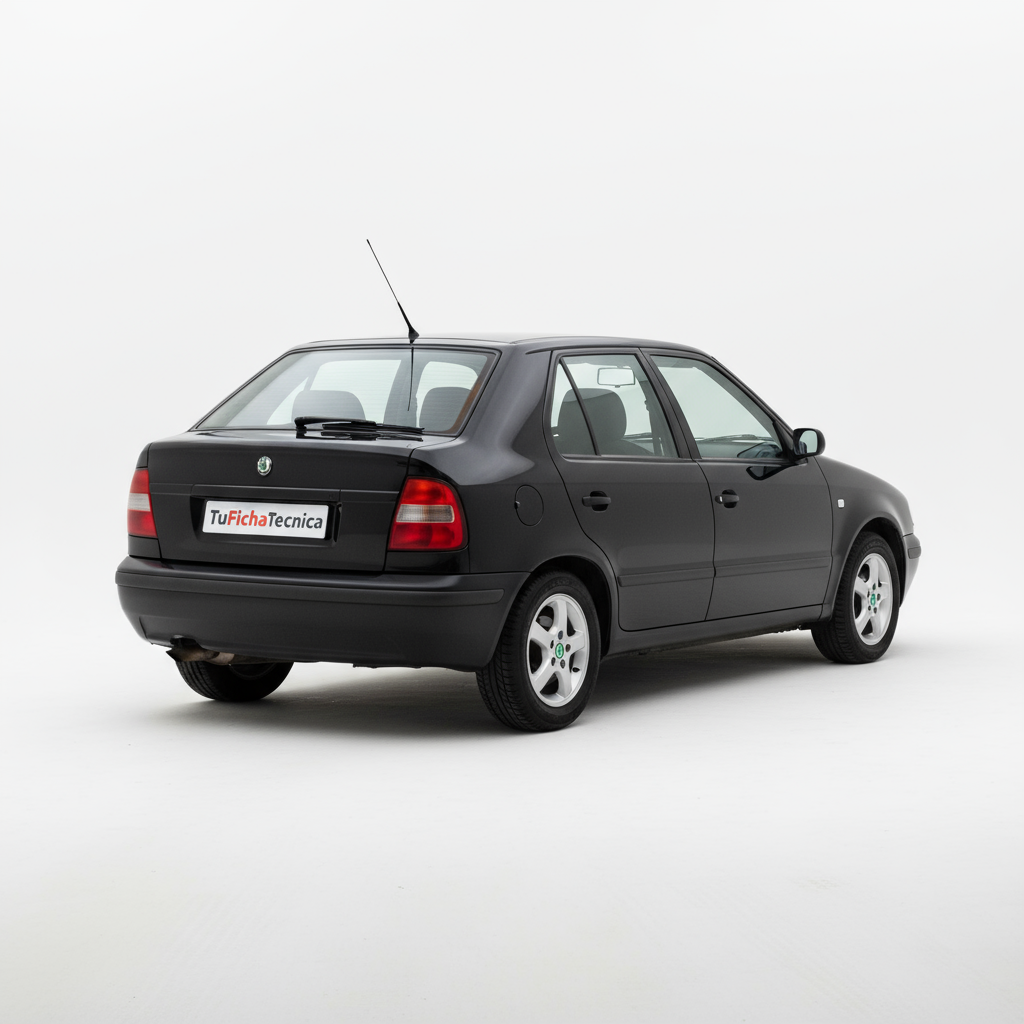
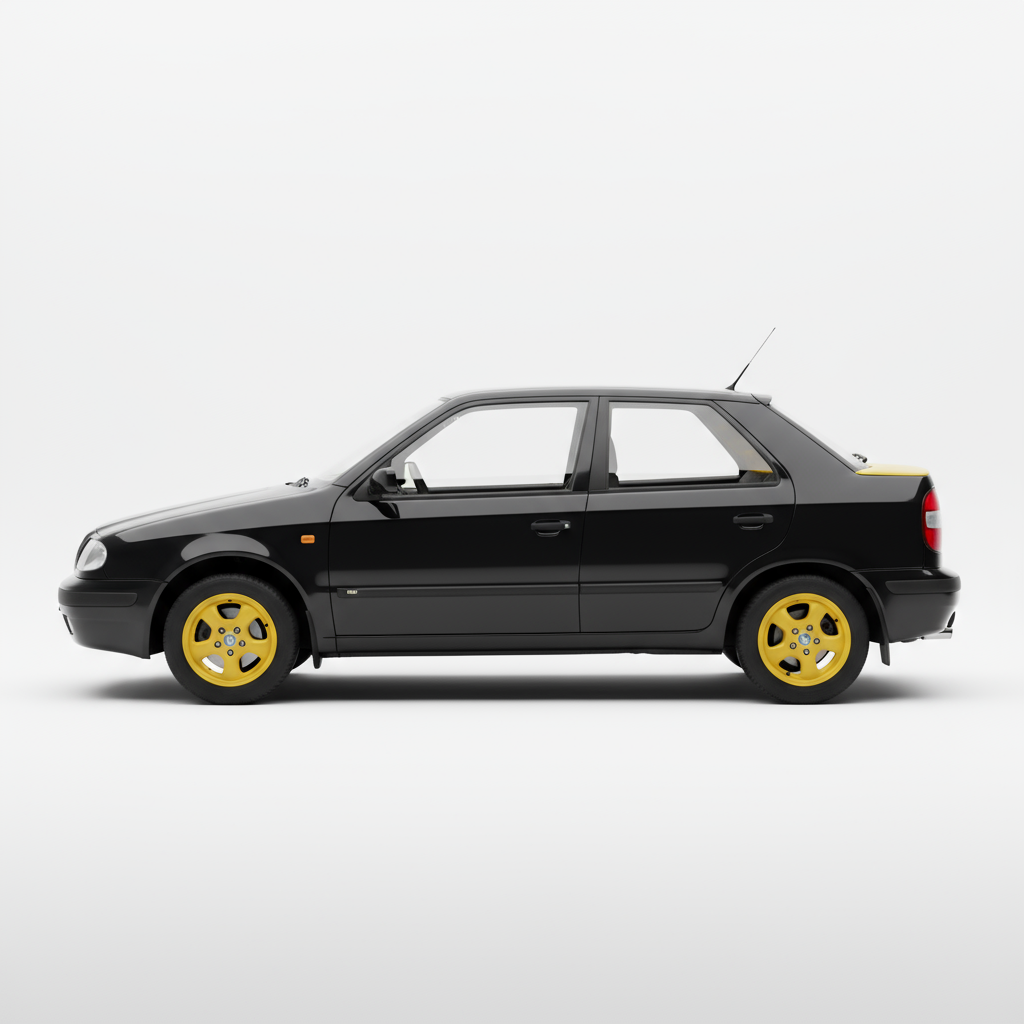
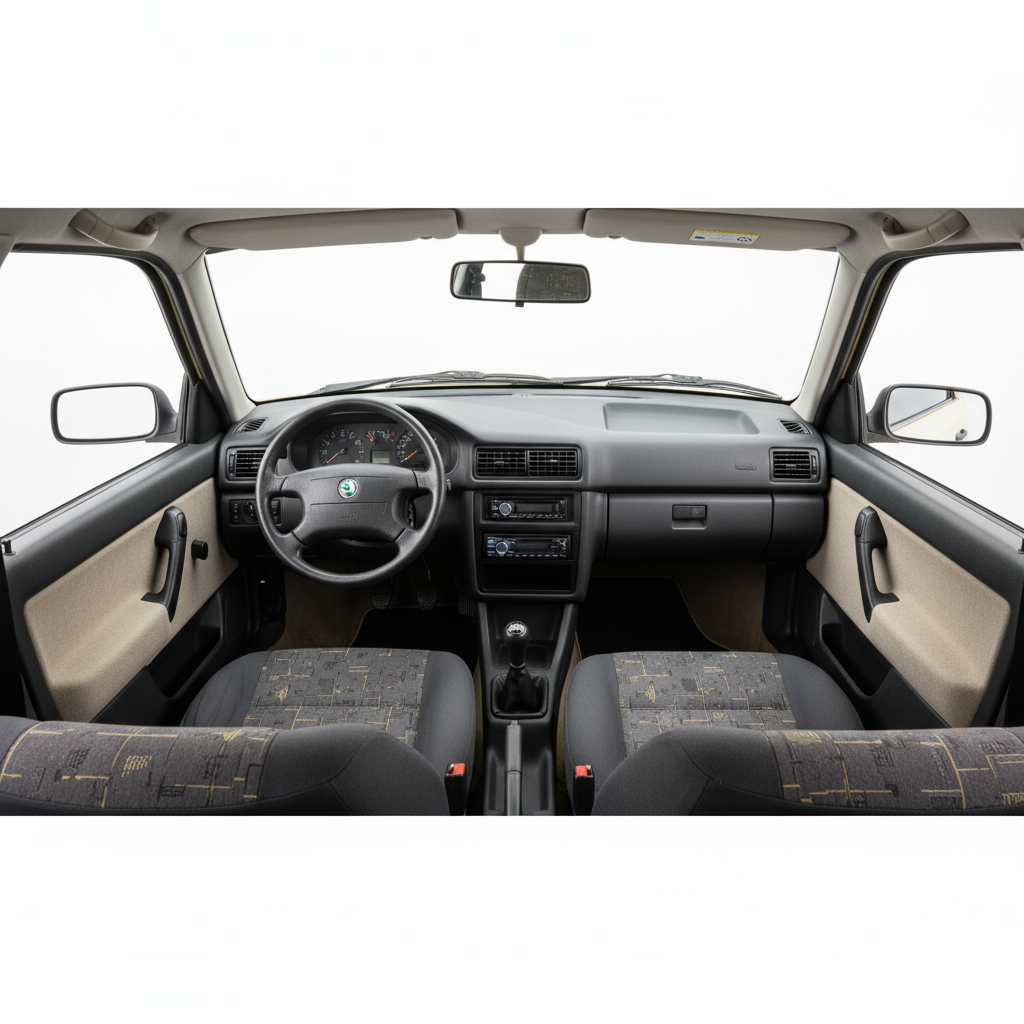
The design of the Skoda Pickup is a reflection of its purpose: functional and unadorned. Its lines are simple and robust, designed for durability and ease of maintenance. With a length of 4,115 mm and a width of 1,635 mm, its compact size makes it agile in urban environments. The plasticized canvas cover, beyond its practical function of protecting the cargo, adds a distinctive and nostalgic touch to its aesthetics. The interior, although spartan, is designed to be practical and resistant, with two seats offering just enough space for the driver and a passenger. It is a design that prioritizes functionality over aesthetics, but it is not without its own charm, that of a faithful work tool.
Technology and features
The technology of the 1999 Skoda Pickup is, as expected, basic but effective. Its 1,289 cc gasoline engine with indirect injection and 4 cylinders, with an iron block and aluminum cylinder head, is an example of proven and reliable engineering. The 5-speed manual transmission is direct and precise, allowing total control over power delivery. The 236 mm front disc brakes and rear drums offer adequate braking capacity for its weight and performance. There are no advanced electronic systems, which simplifies maintenance and reduces potential breakdowns. It is a technology that focuses on the essentials, on durability and ease of repair, characteristics highly valued in a work vehicle.
Competition
In its time, the Skoda Pickup competed with other light commercial vehicles that prioritized functionality and cost. Models such as the Dacia Pick-Up, the Fiat Strada, or some versions of the Ford Courier were its main contenders. Compared to them, the Skoda offered a similar proposal: a robust, economical, and easy-to-maintain vehicle, ideal for small businesses or private use requiring cargo capacity. Its competitive price and reputation for reliability made it an attractive option in a segment where practicality was key.
Conclusion
The 1999 Skoda Pickup 1.3i with plasticized canvas cover is more than just a vehicle; it is a testament to an era where simplicity and functionality were the pillars of automotive design. Although its performance may seem modest today, its charm lies precisely in its honesty and its ability to fulfill its purpose without artifice. It is a car that, despite the years, remains a faithful companion for those who value durability and practicality above all else. A functional classic that, without a doubt, left its mark on the hearts of many.