
Especificaciones y análisis del Tesla Model S
Power
387HP
Torque
-Nm
Consumption
18.5l/100
Emissions
-g/km
0-100 km/h
5.8s
Top Speed
225km/h
Weight
-kg
Price
84,414€
Technical summary
Eléctrico
Automático 1v
RWD
5 / 5 doors
745 L
- L
285 kW
Current
Technical specifications
Engine
Capacities
Detailed analysis of the Tesla Model S 70 · 387 CV (2016)
General description
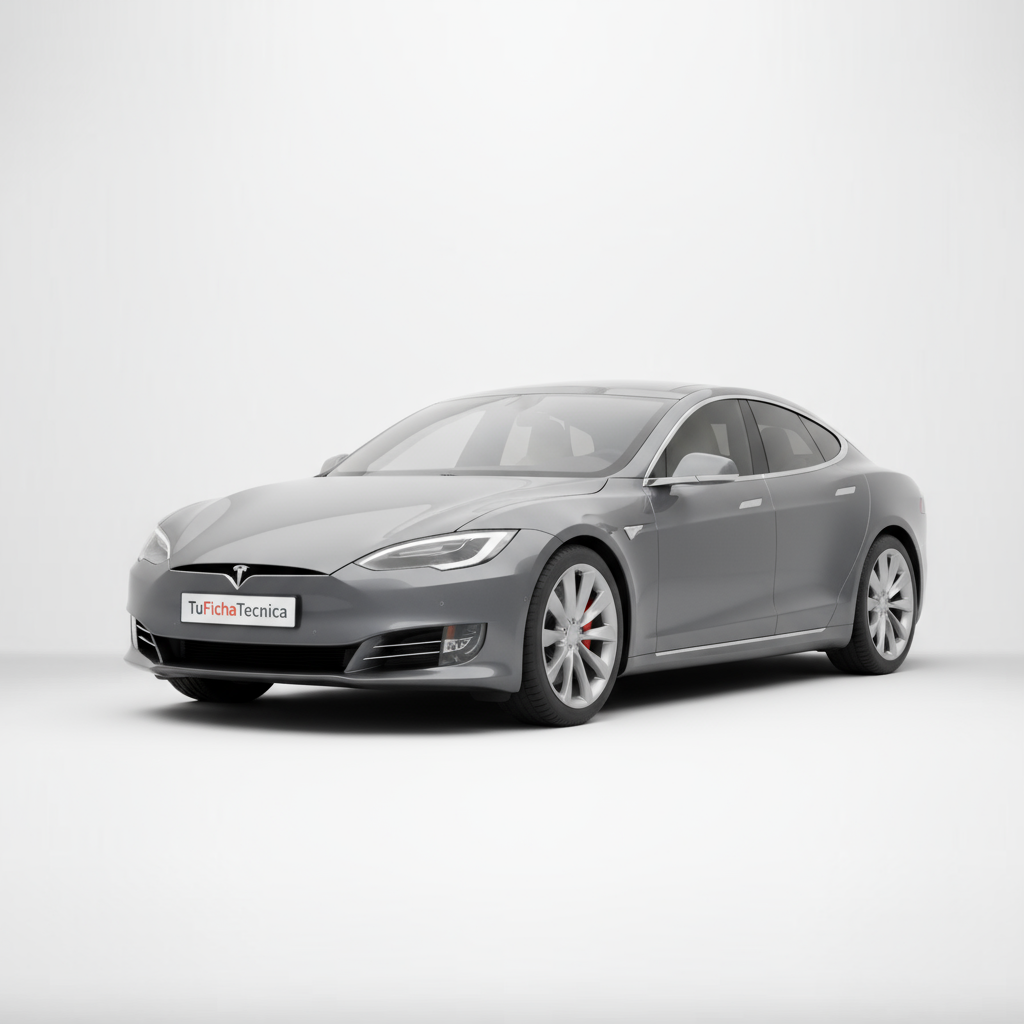
The 2016 Tesla Model S 70 is an electric sedan that marked a before and after in the automotive market. With its elegant design and focus on sustainability, this vehicle not only offered an alternative to combustion cars but also promised a futuristic and exciting driving experience. Its arrival challenged traditional manufacturers, demonstrating that electric mobility could be desirable and practical.
Driving experience
Driving the Model S 70 is a surprisingly smooth and silent experience. The instant acceleration of its 387 hp pins you to the seat, going from 0 to 100 km/h in just 5.8 seconds, an impressive figure for a sedan of its size. The speed-sensitive electric power steering offers a precise connection to the road, while the deformable parallelogram suspension on both axles provides exceptional ride comfort, absorbing road irregularities with mastery. The absence of engine noise and vibrations creates an atmosphere of calm and sophistication, making every journey a pleasure. The ventilated disc brakes, 355 mm front and 365 mm rear, ensure powerful and safe stopping, inspiring confidence at all times.
Design and aesthetics
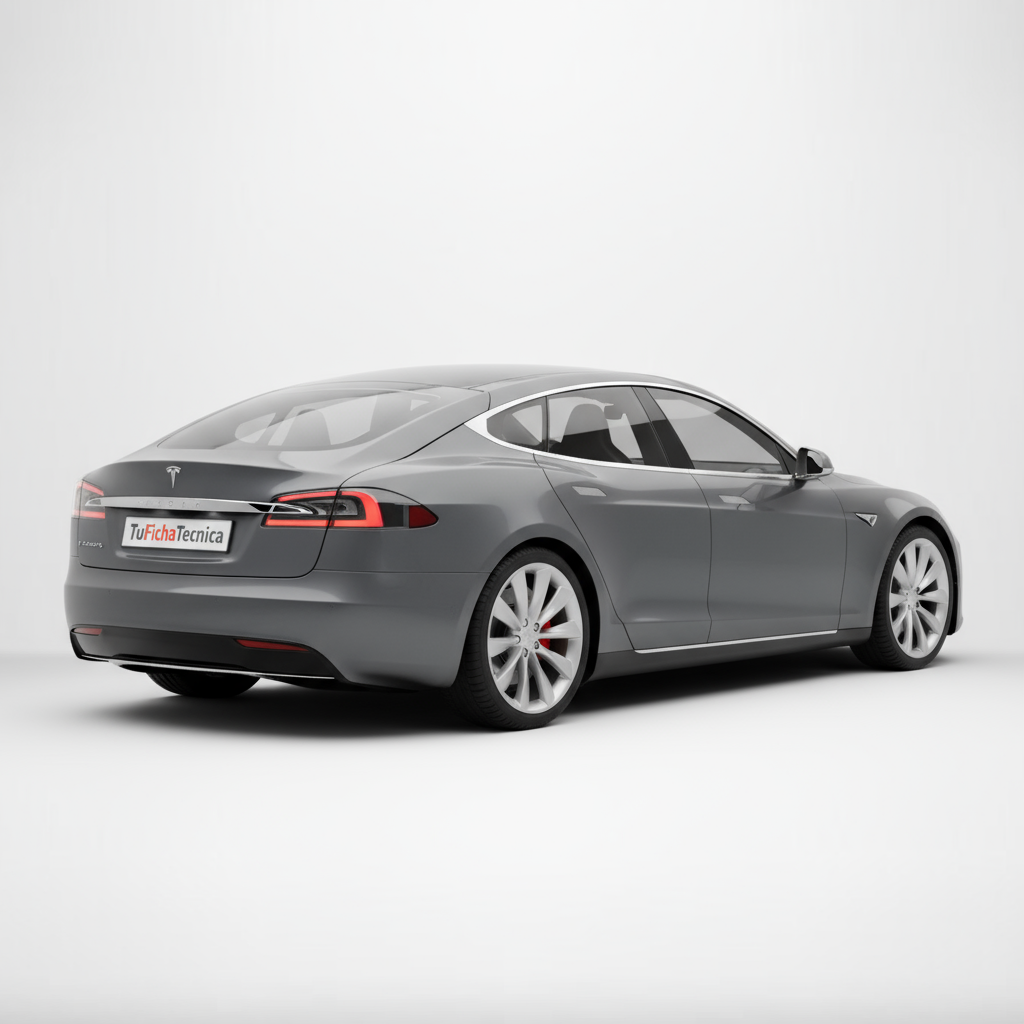
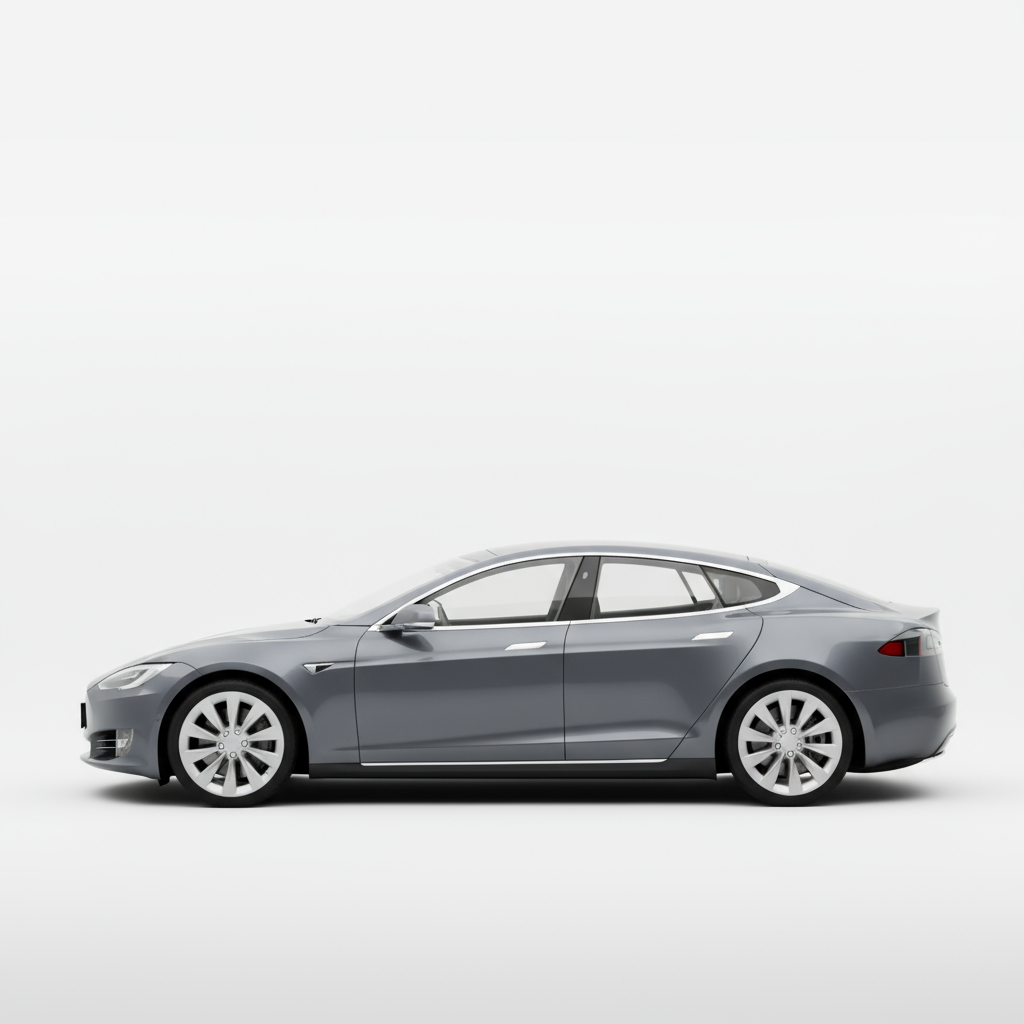
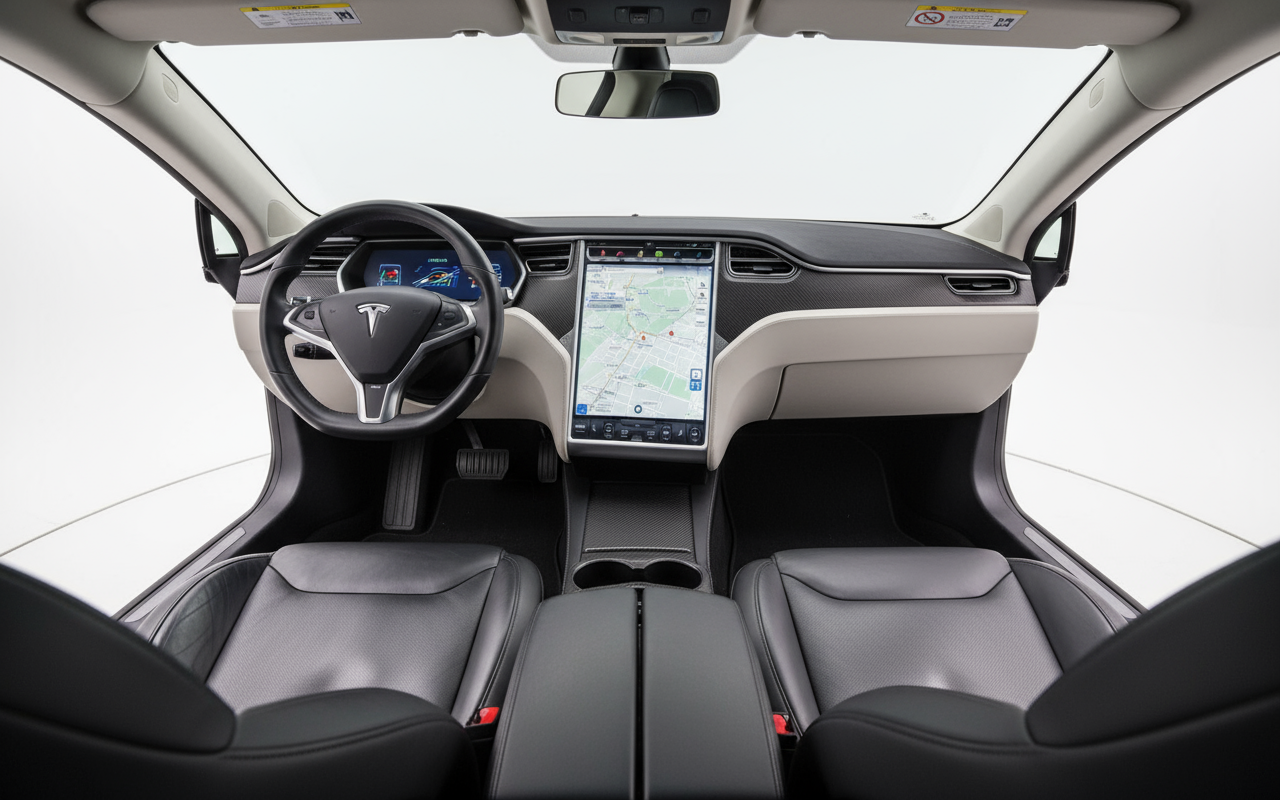
The design of the Tesla Model S 70 is a statement of intent. Its fluid and aerodynamic lines are not only aesthetically pleasing but also contribute to its efficiency. With a length of 4979 mm and a width of 1964 mm, its presence on the road is imposing. The absence of a traditional front grille, characteristic of electric vehicles, gives it a clean and modern appearance. The interior is a sanctuary of minimalism and technology, dominated by a huge central touchscreen that controls most of the vehicle's functions. The seats, designed for five occupants, offer superior comfort, and the trunk, with 745 liters of capacity, is surprisingly spacious, making it a practical car for daily use and long trips.
Technology and features
The 2016 Model S 70 was at the forefront of technology. Its all-electric propulsion system, powered by a 70 kWh usable capacity battery, offered considerable range for its time. The single-speed automatic transmission, along with rear-wheel drive, optimized power delivery and efficiency. Battery charging, although not as fast as in later models, allowed for a full recharge in about 23 hours with alternating current. Beyond propulsion, the car integrated an advanced infotainment system with a large touchscreen, which not only controlled vehicle functions but also offered connectivity and over-the-air software updates, a revolutionary feature at the time. Speed-sensitive electric steering and active and passive safety systems completed an impressive technological package.
Competition
In 2016, the Tesla Model S 70 faced diverse competition. On one hand, it rivaled luxury combustion sedans such as the Mercedes-Benz E-Class, BMW 5 Series, or Audi A6, offering an electric alternative with comparable performance and equipment levels. On the other hand, within the nascent electric vehicle market, its direct competitors were scarce, giving it an almost unique position. Its value proposition, combining luxury, performance, and sustainability, clearly differentiated it from any other vehicle available at the time, attracting an audience looking for more than just a simple means of transport.
Conclusion
The 2016 Tesla Model S 70 was a pioneer, a car that not only demonstrated the viability of high-performance electric mobility but also redefined what was expected of a luxury vehicle. Its combination of avant-garde design, innovative technology, and an exciting driving experience made it a benchmark. Although technology has advanced since then, this model remains a testament to Tesla's bold spirit and its transformative impact on the automotive industry. It is a car that undoubtedly left an indelible mark and laid the groundwork for the future of electric vehicles.