
Especificaciones y análisis del Toyota C-HR
Power
109HP
Torque
202Nm
Consumption
5.3l/100
Emissions
119g/km
0-100 km/h
8.2s
Top Speed
180km/h
Weight
1560kg
Price
29,990€
Technical summary
Híbrido
Automático Múltiplesv
FWD
5 / 5 doors
358 L
43 L
80 kW
Current
Technical specifications
Engine
Capacities
Detailed analysis of the Toyota C-HR 180H Kaji Edition · 109 CV (2019-2020)
General description
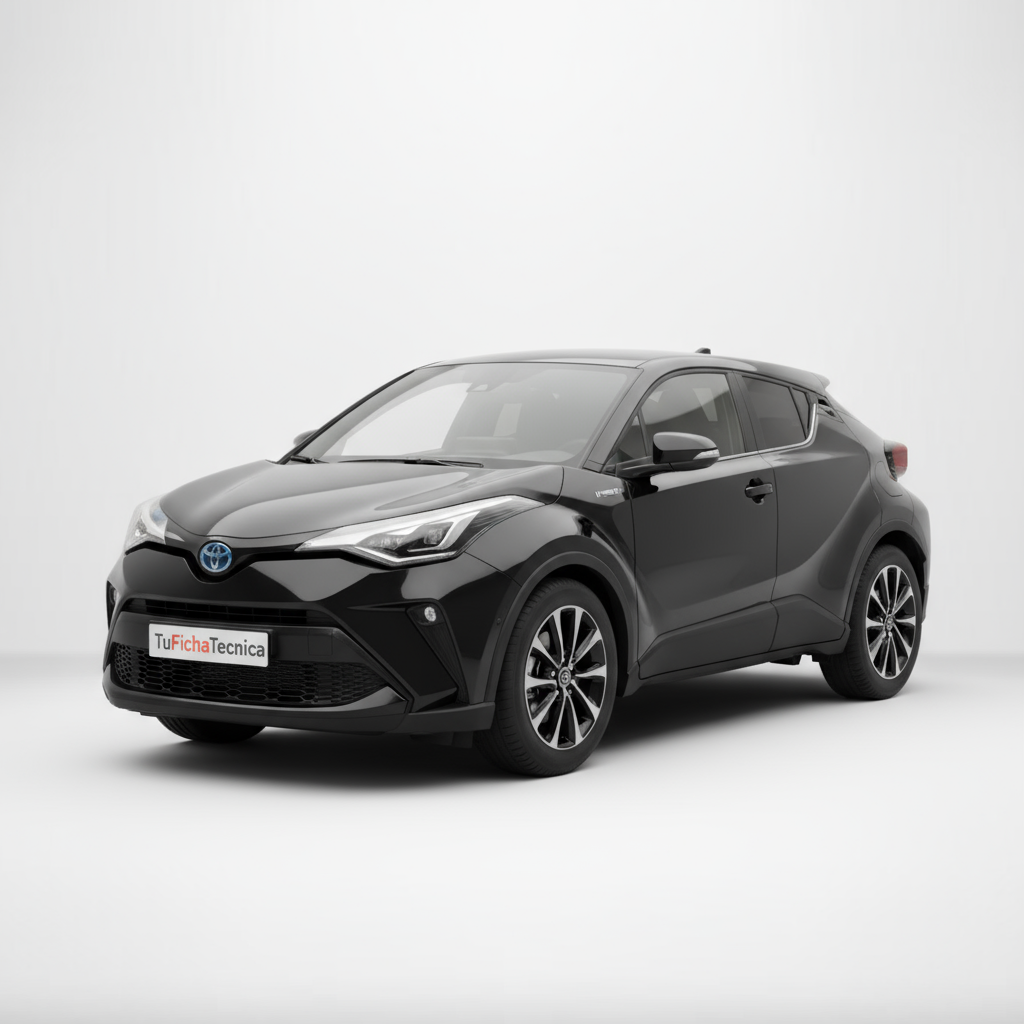
The 2020 Toyota C-HR 180H Kaji Edition is a bold and distinctive proposition in the compact SUV segment. With its 109 hp hybrid engine and an aesthetic that leaves no one indifferent, this model seeks to conquer those who value efficiency and avant-garde design. Its price of €29,990 positions it as an interesting option for those looking for a car with personality and the inherent reliability of the Toyota brand.
Driving experience
Behind the wheel of the C-HR, the feeling is one of agility and smoothness. The automatic transmission, clutchless and with multiple gears, offers a relaxed driving experience, ideal for urban traffic. The electric power steering, although not speed-sensitive, provides adequate response. The suspension, McPherson type at the front and deformable parallelogram at the rear, filters asphalt irregularities well, offering a good balance between comfort and stability. The acceleration from 0 to 100 km/h in 8.2 seconds is more than enough for most situations, and the top speed of 180 km/h ensures solvency on the road. The combined consumption of 5.3 l/100km is a strong point, highlighting its efficiency.
Design and aesthetics
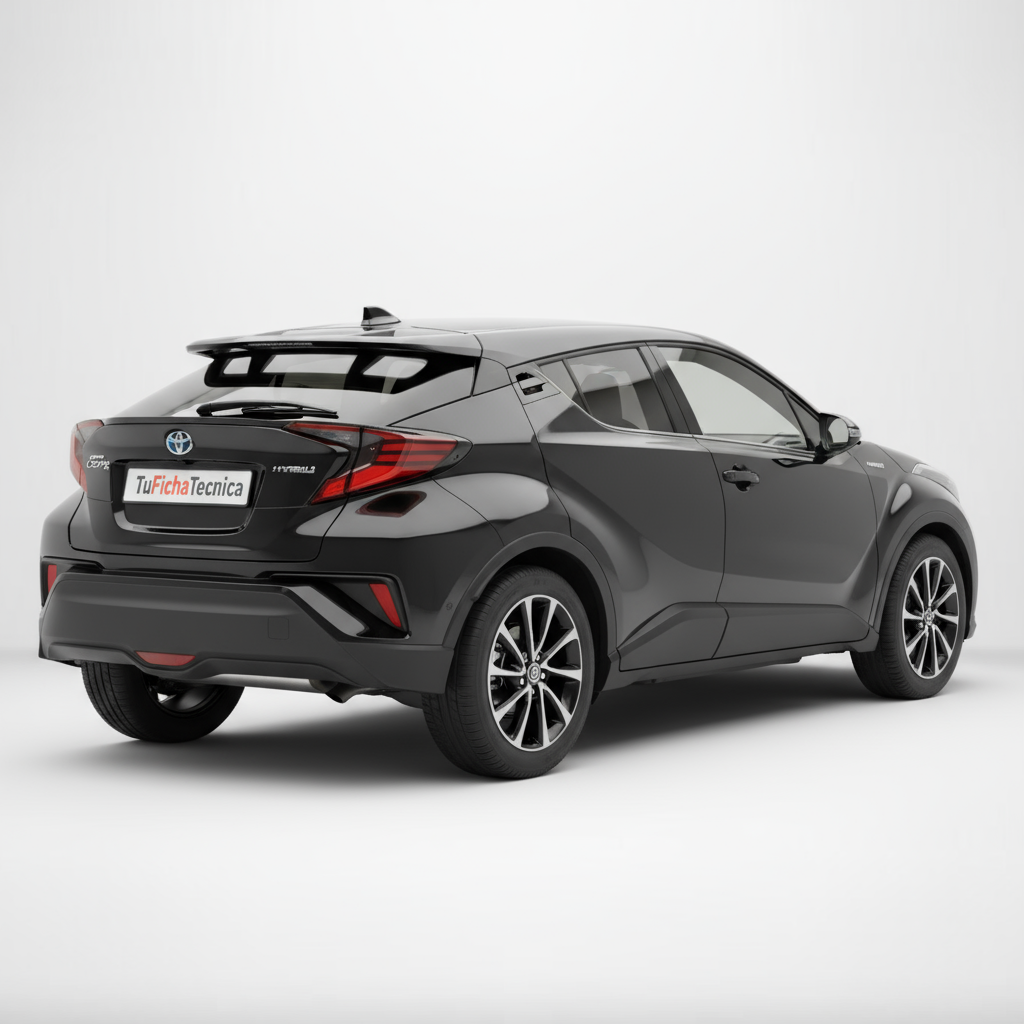
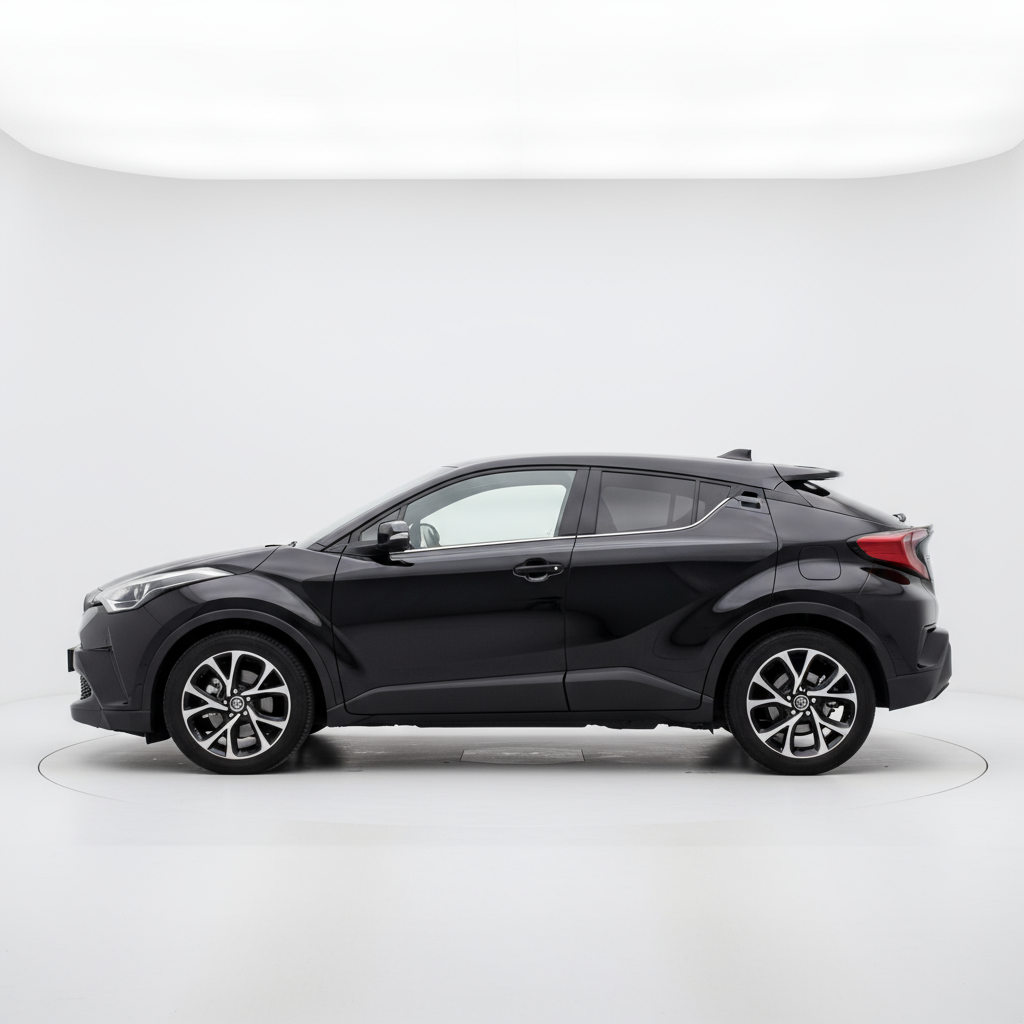
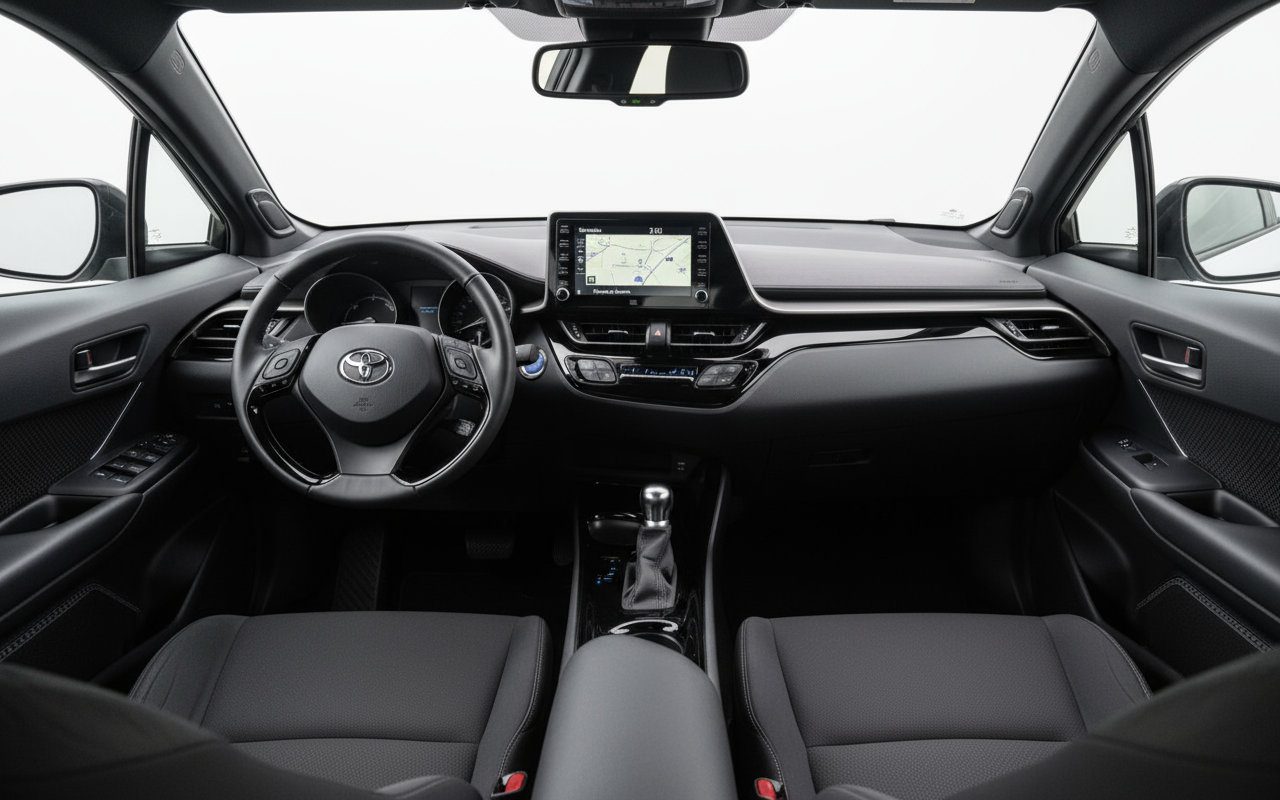
The design of the Toyota C-HR is, without a doubt, its most striking calling card. Its sharp lines and coupé silhouette clearly differentiate it from its competitors. The Kaji Edition version further accentuates this personality with specific details. The 18-inch wheels and 225/50 R18 tires contribute to its robust and sporty image. The interior, although with a modern design, can be somewhat dark in the rear seats due to the small glazed surface, which gives it a more intimate and enveloping feel. The length of 4395 mm and the width of 1795 mm give it an imposing presence on the road.
Technology and features
Toyota's hybrid technology is the heart of this C-HR. The 1987 cc gasoline engine, together with the electric system, offers a combined power of 109 hp. The battery, located in the central rear part, is nickel-metal hydride, with a voltage of 216V. Although charging times are not specified, the efficiency of the hybrid system is notable, with CO2 emissions of 119 g/km, which gives it the DGT ECO label. In terms of safety, it has ventilated disc brakes of 299 mm at the front and 281 mm discs at the rear, guaranteeing effective braking. The mixed direct/indirect injection system optimizes engine performance.
Competition
The Toyota C-HR 180H Kaji Edition competes in a very crowded segment of compact SUVs. Its main rivals include models such as the Nissan Qashqai, the Hyundai Kona Hybrid, the Kia Niro, and the Honda HR-V. Compared to them, the C-HR stands out for its bolder design and its consolidated hybrid technology. While some rivals may offer more interior space or a more generous trunk (358 liters in the C-HR), few match the combination of style, efficiency, and Toyota's reputation for reliability.
Conclusion
The Toyota C-HR 180H Kaji Edition is a vehicle that appeals to emotion and reason. Its groundbreaking design makes it a car that does not go unnoticed, while its hybrid technology guarantees efficient and environmentally friendly driving. It is an ideal option for those looking for a compact SUV with personality, low consumption, and the peace of mind offered by the Toyota brand. Although the rear space and trunk are not the widest in its category, its virtues far outweigh these small inconveniences for its target audience.