
Especificaciones y análisis del Toyota Yaris Verso
Power
86HP
Torque
124Nm
Consumption
6.9l/100
Emissions
-g/km
0-100 km/h
13.8s
Top Speed
155km/h
Weight
980kg
Price
16,500€
Technical summary
Gasolina
Automático 4v
FWD
5 / 5 doors
390 L
45 L
63 kW
Current
Technical specifications
Engine
Capacities
Detailed analysis of the Toyota Yaris Verso 1.3 VVT-i Sol Aut. · 86 CV (1999-2003)
General description
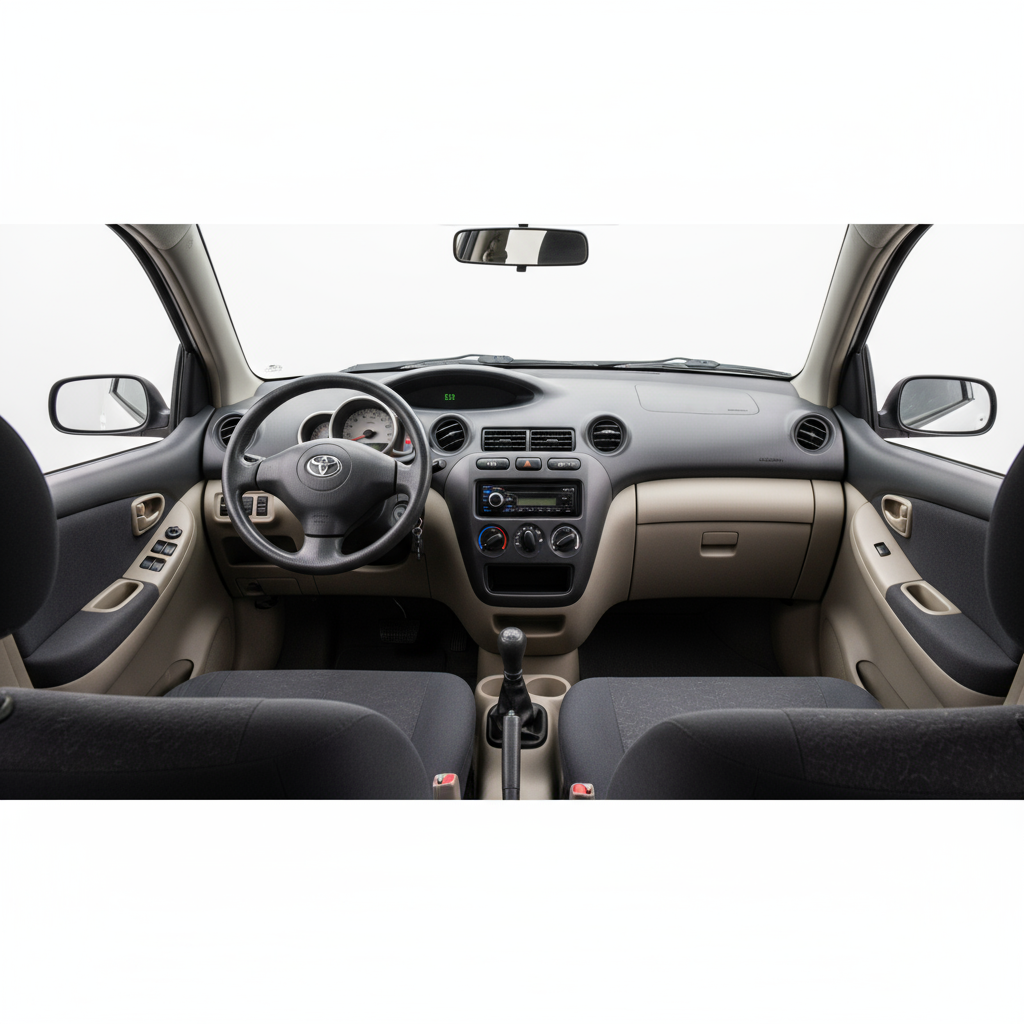
The 2000 Toyota Yaris Verso is presented as an ingenious and practical proposition, a vehicle that, despite its compact size, surprises with its versatility and capacity. With a price of €16,500, this model was positioned as an accessible option for those looking for a functional and reliable car for everyday use, ideal for urban life and family getaways. Its 1.3-liter, 86 hp gasoline engine, combined with a 4-speed automatic transmission, promised a smooth and uncomplicated drive, albeit without great displays of power. It's a car that, from the first glance, invites you to discover its interior and all the possibilities it offers.
Driving experience
Behind the wheel of the Yaris Verso, the predominant sensation is one of relaxed and stress-free driving. The automatic transmission makes life easier in traffic, and the steering, although not the most communicative, fulfills its function smoothly. The McPherson front suspension and trailing arm with torsional element rear, along with stabilizer bars, offer acceptable comfort, absorbing road irregularities without jolts. It's not a car for strong emotions, with an acceleration from 0 to 100 km/h in 13.8 seconds and a top speed of 155 km/h, but its behavior is predictable and safe. Visibility is excellent thanks to its elevated design, which contributes to a feeling of control and safety at all times. It's a car that makes you feel comfortable and confident, perfect for urban commutes and quiet trips.
Design and aesthetics
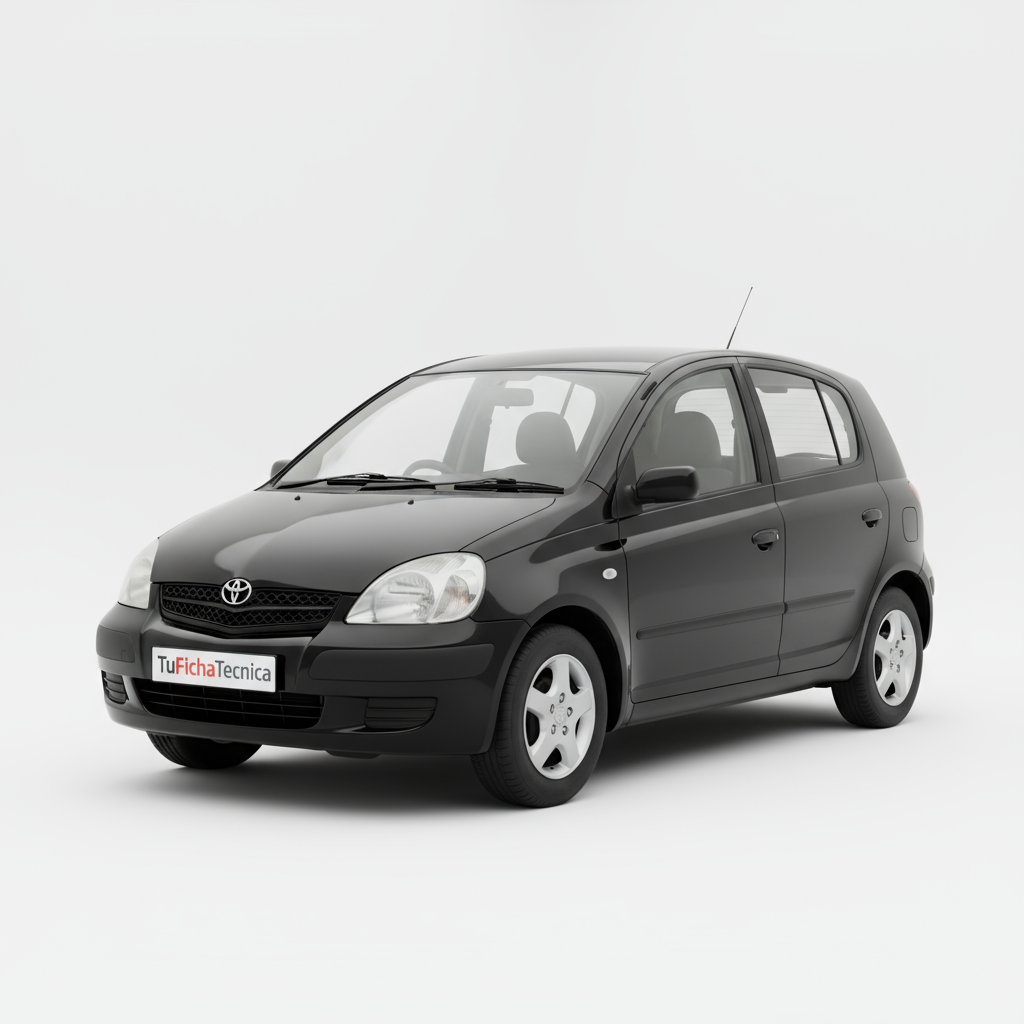
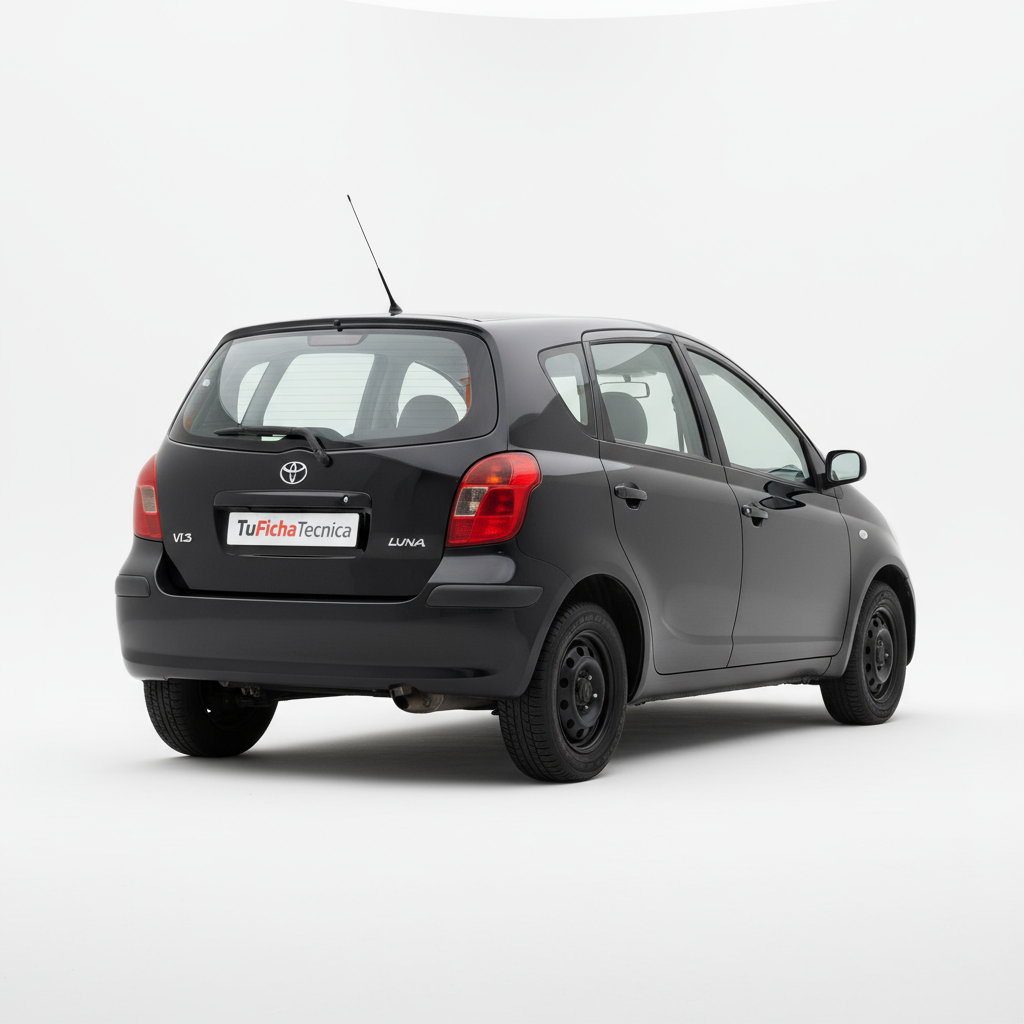
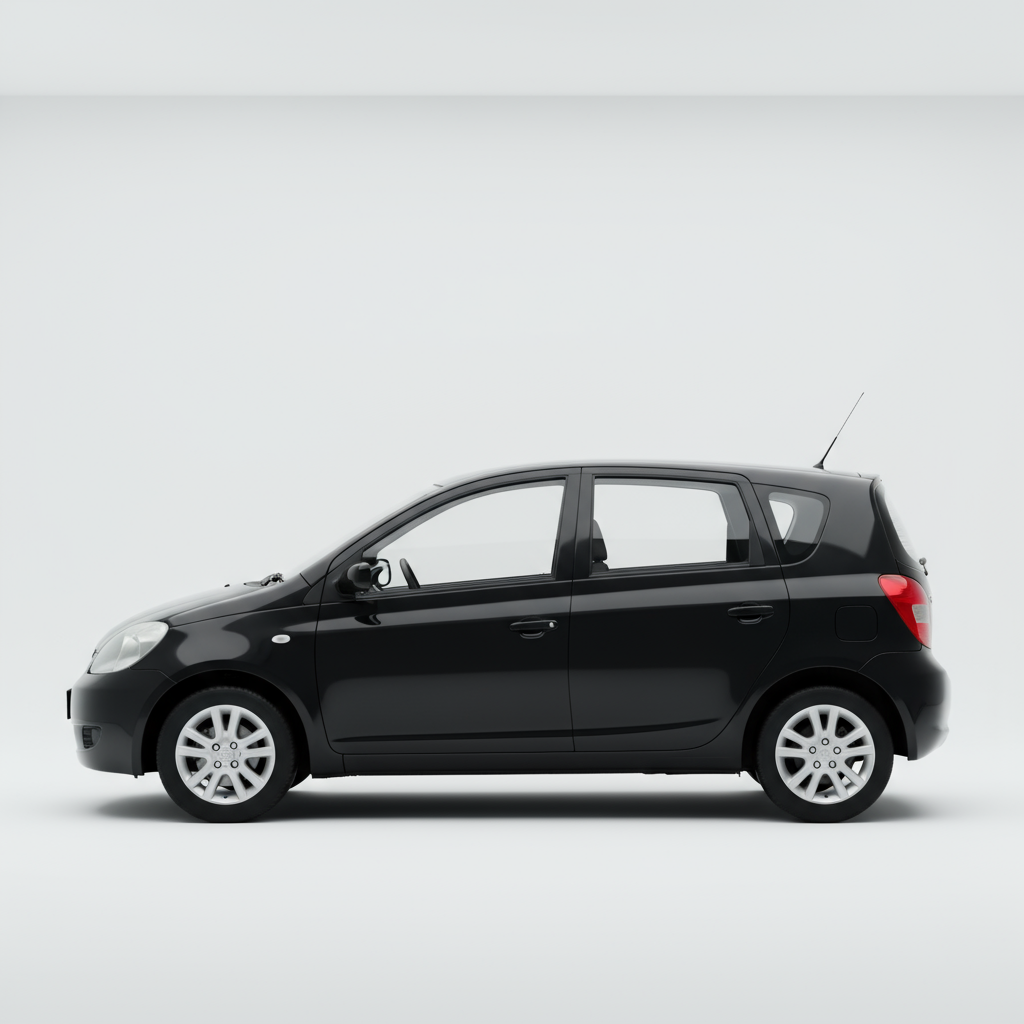
The design of the Toyota Yaris Verso is, without a doubt, its most distinctive calling card. With a length of 3860 mm, a width of 1690 mm, and a height of 1680 mm, its silhouette is unmistakably minivan, prioritizing interior space and functionality. Its lines are simple and practical, without great ornaments, which gives it a robust and honest appearance. The five doors facilitate access to a surprisingly spacious cabin, with a 390-liter trunk that can be expanded to offer exceptional cargo capacity. The 175/65 R14 tires and 5.5 x 14-inch wheels complement its functional aesthetic. It's a design that, although it doesn't seek spectacularity, does pursue maximum utility and habitability, achieving a perfect balance between exterior size and interior space.
Technology and features
In 2000, the Toyota Yaris Verso incorporated reliable and proven technology. Its 1.3-liter gasoline engine with 86 hp and VVT-i (intelligent variable valve timing) system offered good efficiency for the time, with a combined consumption of 6.9 l/100km. Indirect injection and lightweight materials such as aluminum in the engine block and cylinder head contributed to its performance. The 4-speed automatic transmission, although not the most advanced, provided a comfortable driving experience. In terms of safety, it had ventilated front disc brakes and rear drum brakes, and rack-and-pinion steering. Although it did not have the latest innovations in driving assistance, its technology was oriented towards durability and ease of use, characteristics highly valued in a family car.
Competition
In its segment, the Toyota Yaris Verso competed with other compact minivans that sought to offer space and versatility in a reduced format. Models such as the Opel Meriva, the Honda Jazz, or the Renault Modus were its main contenders. Compared to them, the Yaris Verso stood out for its reputation for reliability, its ingenious use of interior space, and its VVT-i engine, which offered a good balance between performance and consumption. Although some rivals could offer a more modern design or more complete equipment, the Yaris Verso won over its buyers for its practicality, its ease of driving, and the peace of mind offered by the Toyota brand in terms of durability and maintenance.
Conclusion
The 2000 Toyota Yaris Verso is a car that, despite the years, remains an example of how functionality and intelligent design can create a supremely practical and pleasant vehicle to use. Its compact size hides a surprisingly spacious and versatile interior, ideal for families or for those who need a car with large cargo capacity. Its 86 hp engine and automatic transmission offer a smooth and efficient drive, perfect for everyday use. It is an honest car, unpretentious, that more than fulfills its purpose of transporting people and objects comfortably and reliably. A smart choice for those who value practicality and durability above all else.