
Especificaciones y análisis del Volkswagen Lupo
Power
61HP
Torque
140Nm
Consumption
3l/100
Emissions
-g/km
0-100 km/h
14.7s
Top Speed
165km/h
Weight
854kg
Price
13,940€
Technical summary
Gasóleo
Automático 5v
FWD
4 / 3 doors
130 L
34 L
45 kW
Current
Technical specifications
Engine
Capacities
Detailed analysis of the Volkswagen Lupo 1.2 TDI 3L Tiptronic · 61 CV (1999-2005)
General description
The 1999 Volkswagen Lupo 1.2 TDI 3L Tiptronic is a vehicle that, despite its compact size, marked a milestone in efficiency. Priced at 13,940 euros at its launch, this small urban car was presented as an innovative option for those seeking exceptionally low fuel consumption without sacrificing Volkswagen quality. Its 61 HP diesel engine and 5-speed automatic transmission made it an agile and easy-to-handle car in urban environments, standing out for its commitment to economy and the environment at a time when efficiency was not yet the priority it is today.
Driving experience
Driving the Lupo 1.2 TDI 3L Tiptronic is an experience that surprises with its agility and ease. Despite its 61 HP, the 1.2-liter diesel engine, with turbo and intercooler, offers adequate response for the city, allowing it to move freely in traffic. The 5-speed Tiptronic transmission contributes to relaxed driving, eliminating the need for manual gear changes. Its compact size facilitates parking and maneuverability in tight spaces. On the road, although it is not a high-performance car, it maintains stable cruising speeds and its low consumption encourages long journeys with a smile. The suspension, McPherson type at the front and trailing arm with torsion beam at the rear, offers a good balance between comfort and stability, absorbing road irregularities with solvency. The rack-and-pinion steering, although without variable assistance, is precise and instills confidence in the driver.
Design and aesthetics
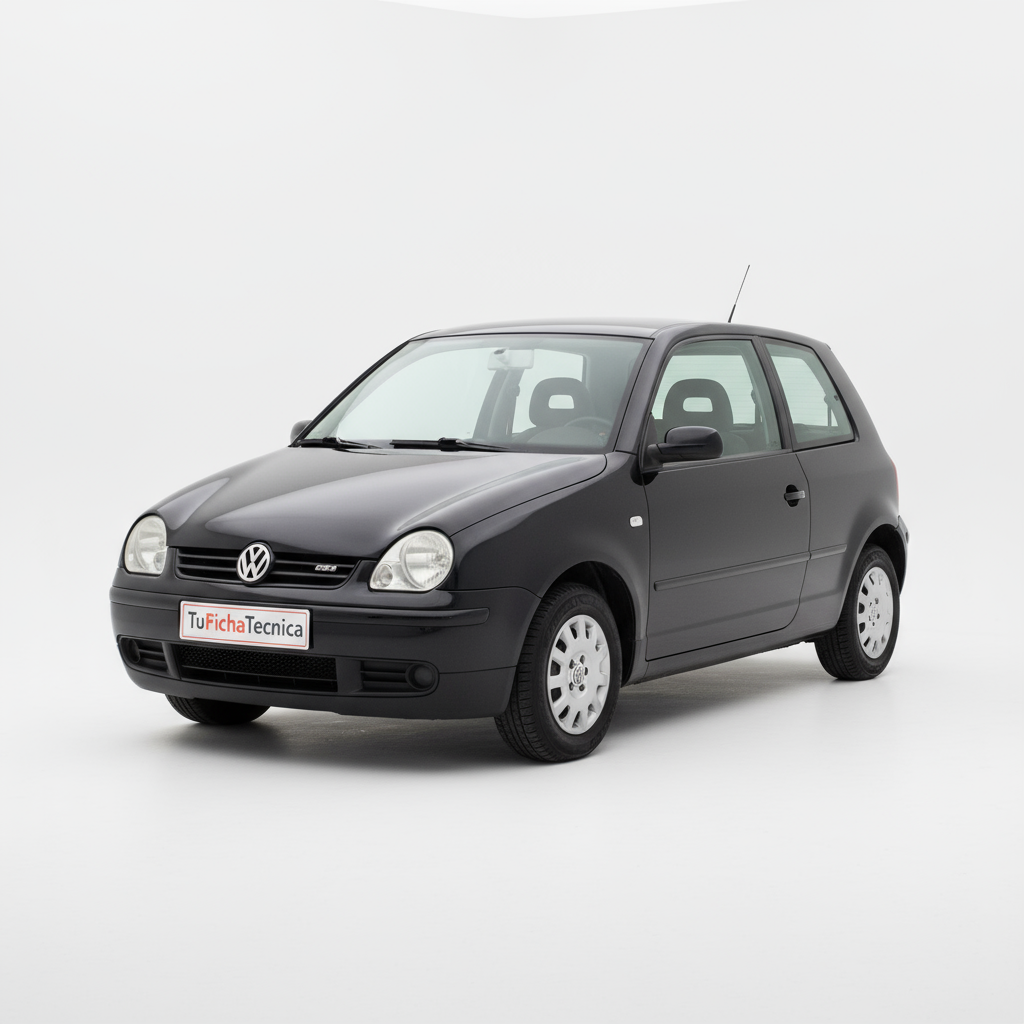
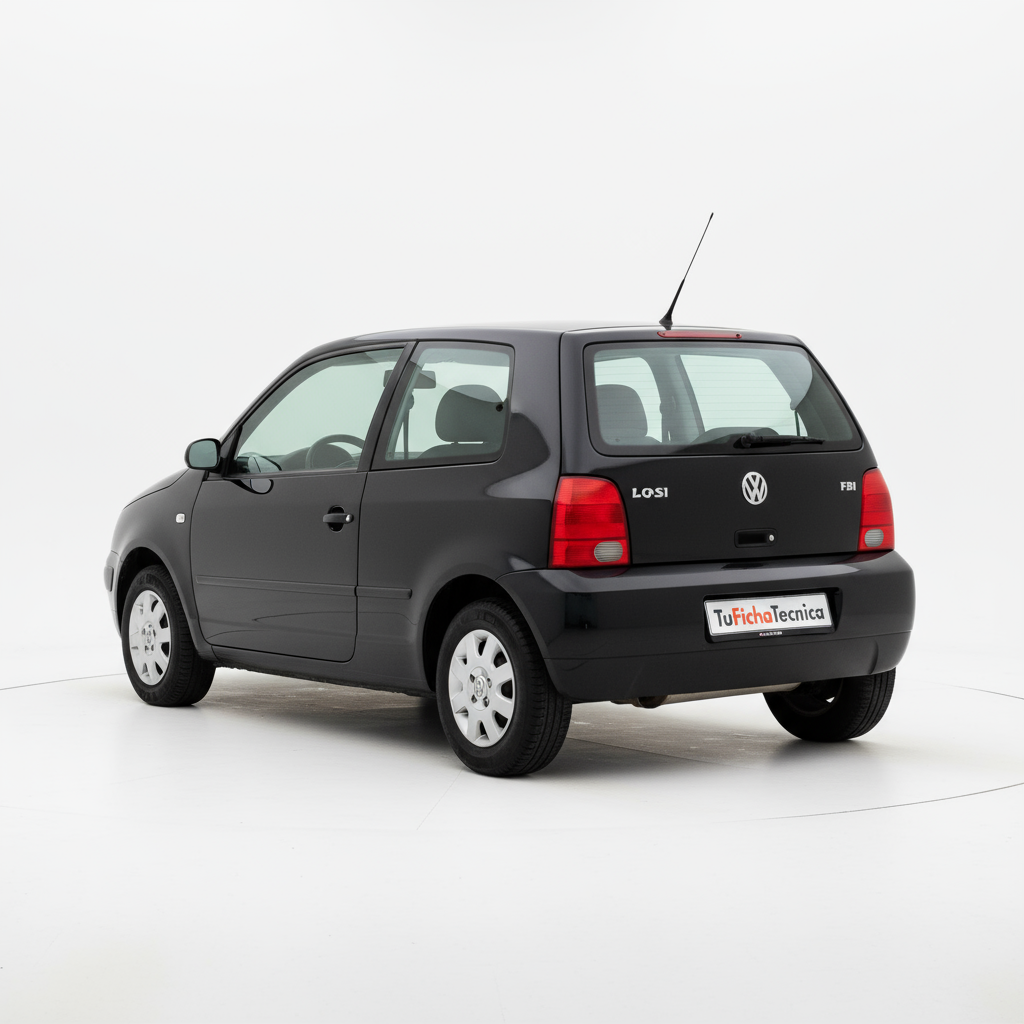
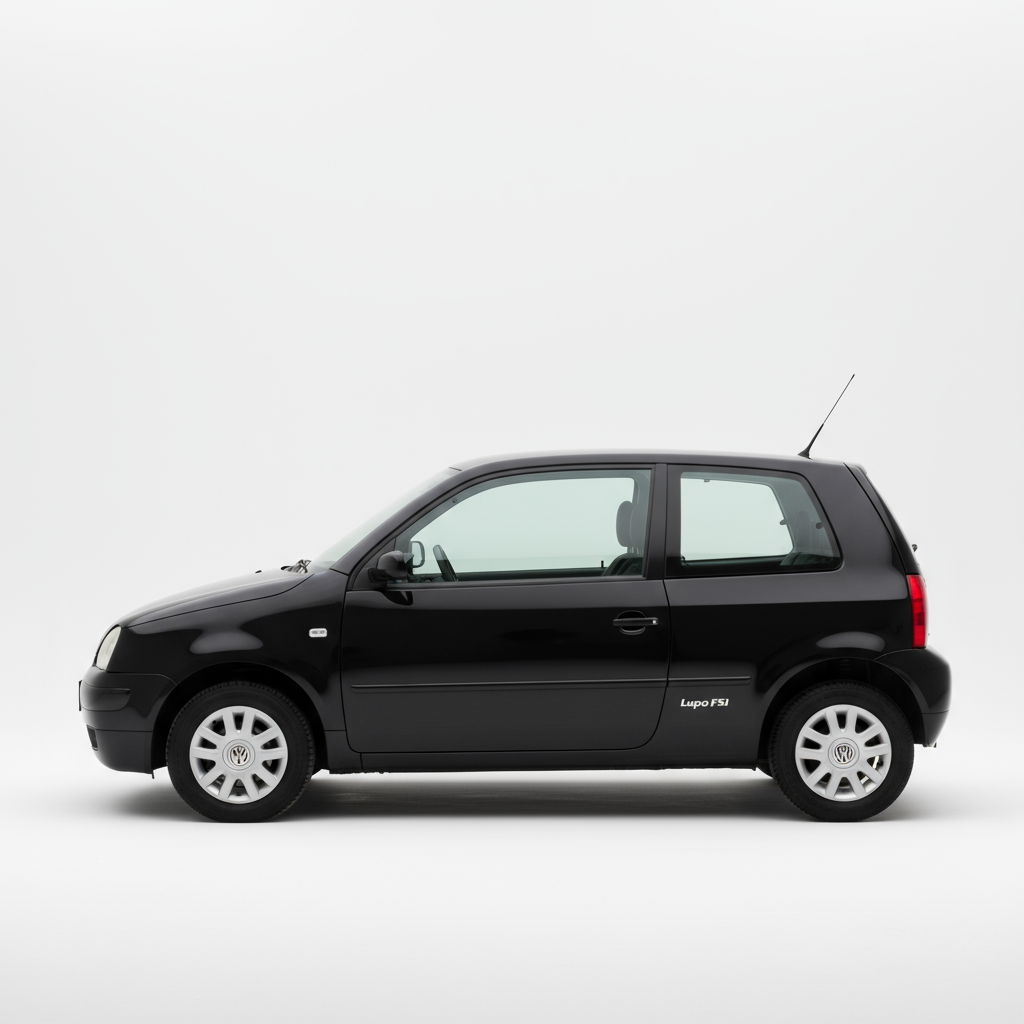
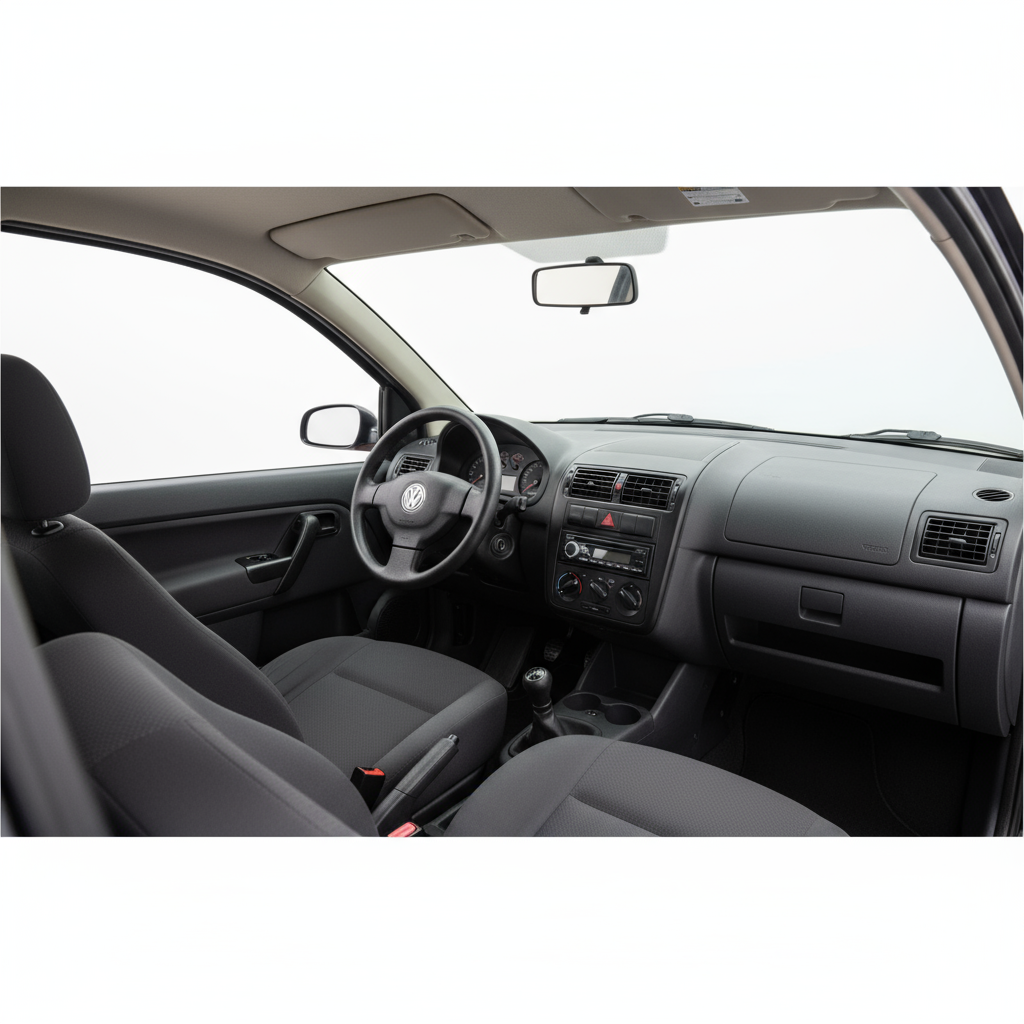
The design of the Volkswagen Lupo is unmistakably Volkswagen, with clean and functional lines that prioritize habitability and aerodynamics. Its 3-door body, with a length of 3529 mm, a width of 1621 mm, and a height of 1464 mm, gives it a compact but robust presence. The round headlights and discreet grille give it a friendly and timeless personality. Despite its size, the interior is well utilized, offering four seats and a 130-liter trunk, sufficient for daily use. The materials used, although simple, are of good quality and the assembly is solid, conveying a sense of durability. The 14-inch wheels with 155/65 R14 tires complement its urban aesthetic and contribute to its efficiency.
Technology and features
The technology of the Lupo 1.2 TDI 3L Tiptronic focused on efficiency and fuel economy. Its 1.2-liter, 3-cylinder diesel engine, with pump-injector direct injection, variable geometry turbo, and intercooler, was a pioneer in its segment. The 5-speed Tiptronic automatic transmission, with a dry single-plate clutch, optimized performance and consumption. In addition, it incorporated a Stop&Start system, an advanced feature for its time, which further contributed to reducing consumption in the city. The lightweight construction, with an aluminum block and cylinder head, was also key to achieving its impressive combined consumption figure of 3 l/100km. In terms of safety, it had 239 mm ventilated disc brakes at the front and 180 mm drum brakes at the rear, offering effective braking for its weight and performance.
Competition
At the time, the Volkswagen Lupo 1.2 TDI 3L Tiptronic faced rivals such as the Smart Fortwo, although the latter was even smaller and with a more urban focus. Other indirect competitors could be the Fiat Seicento or the Renault Twingo, but none of them offered the same combination of diesel efficiency and automatic transmission in such a compact package. Its main differentiator was its fuel consumption, which placed it in a league of its own, making it a unique option for those who prioritized economy of use above all else.
Conclusion
The Volkswagen Lupo 1.2 TDI 3L Tiptronic was a car ahead of its time, a pioneer in the pursuit of maximum efficiency in a compact format. Its functional design, its low-consumption diesel engine, and its automatic transmission made it an attractive option for the city and for those who valued fuel economy. Although it was not a luxury car or a high-performance car, its reliability and Volkswagen build quality made it a faithful companion for its owners. Today, it remains an example of how engineering can achieve great things in a small package, leaving a legacy of efficiency that many modern vehicles still struggle to match.