
Especificaciones y análisis del Volkswagen Passat
Power
150HP
Torque
340Nm
Consumption
4.5l/100
Emissions
118g/km
0-100 km/h
8.7s
Top Speed
218km/h
Weight
1501kg
Price
33,840€
Technical summary
Gasóleo
Automático 6v
FWD
5 / 4 doors
586 L
66 L
110 kW
Current
Technical specifications
Engine
Capacities
Detailed analysis of the Volkswagen Passat R-Line 2.0 TDI BMT 150 CV DSG6 (2017-2018)
General description
The 2015 Volkswagen Passat R-Line 2.0 TDI BMT 150 HP DSG6 is a sedan that embodies the essence of German engineering, offering a balance between elegance, efficiency, and a sporty touch. With its 150 HP diesel engine and 6-speed DSG automatic transmission, this Passat positions itself as an attractive option for those seeking a versatile and quality car.
Driving experience
Behind the wheel, the Passat R-Line conveys a sense of solidity and composure. The 150 HP 2.0 TDI engine, with its 340 Nm of torque, offers a forceful and progressive response, ideal for both urban driving and long road trips. The dual-clutch DSG gearbox is a marvel of smoothness and speed, making gear changes almost imperceptible. The suspension, McPherson type at the front and multi-link at the rear, effectively filters out road irregularities, providing exceptional ride comfort without sacrificing stability. The speed-sensitive electric power steering offers remarkable precision, allowing the driver to feel in control at all times. It accelerates from 0 to 100 km/h in 8.7 seconds and reaches a top speed of 218 km/h, figures that demonstrate its ability to move with agility.
Design and aesthetics
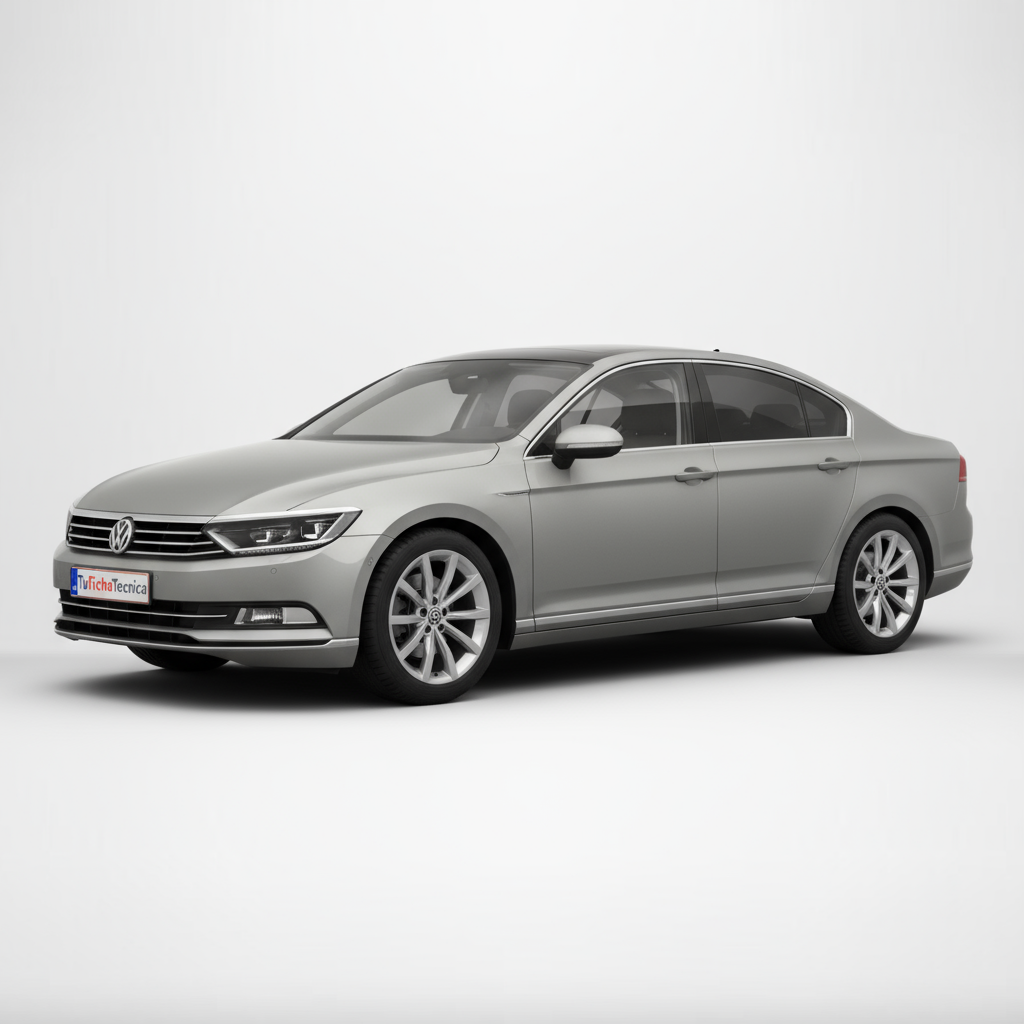
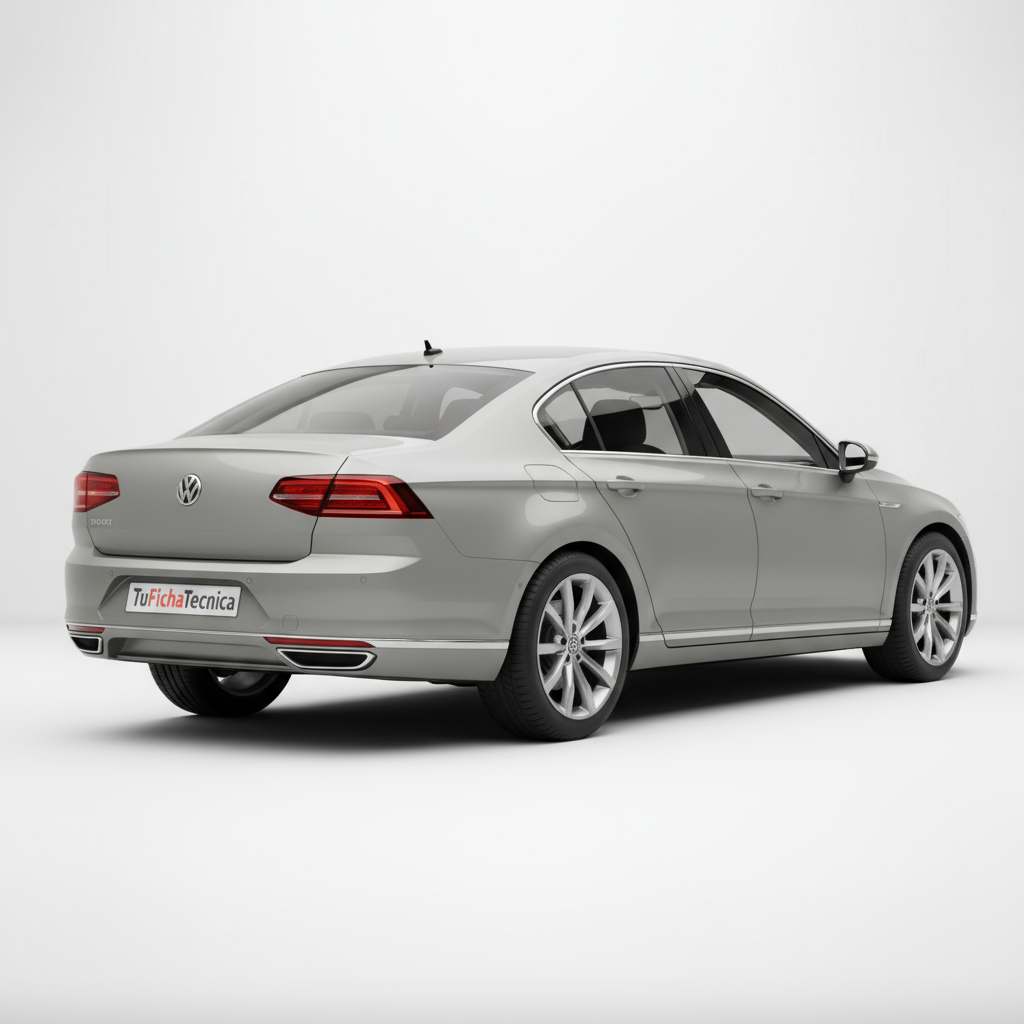
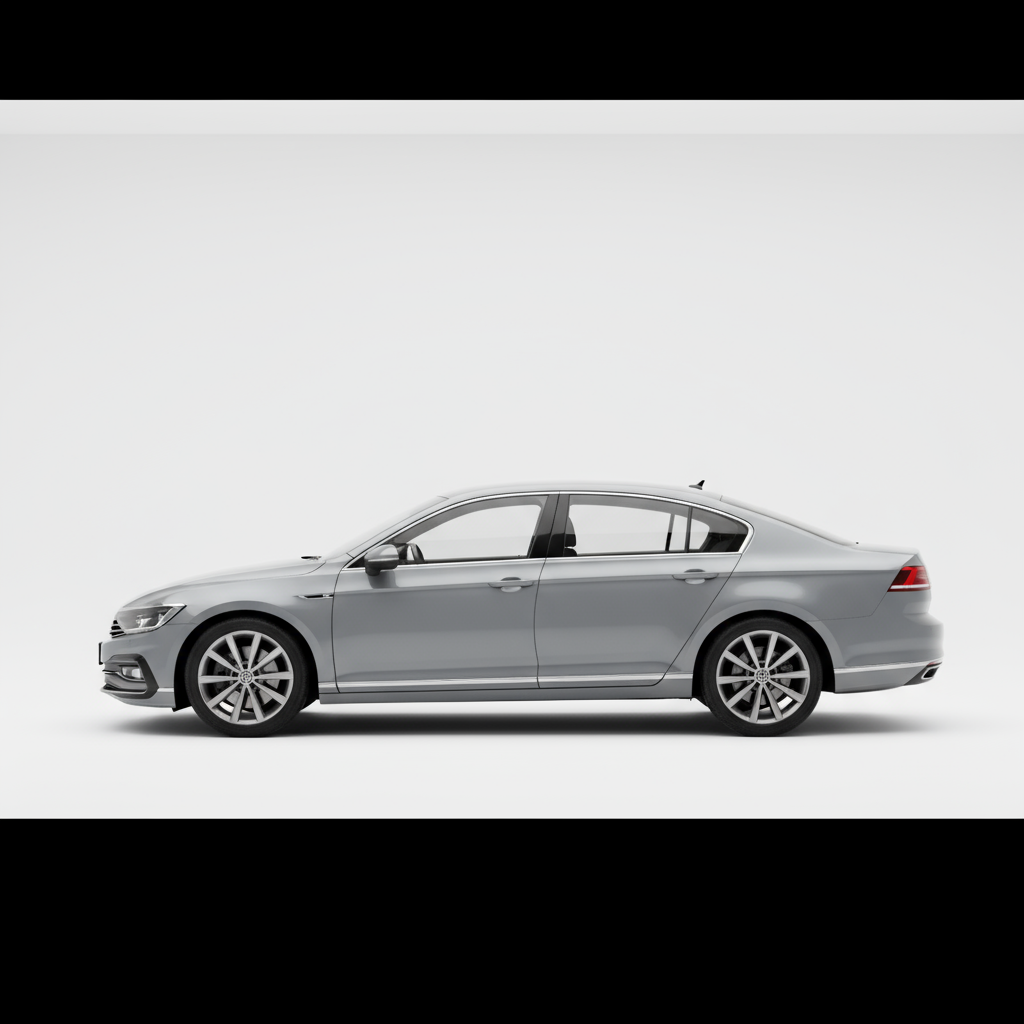
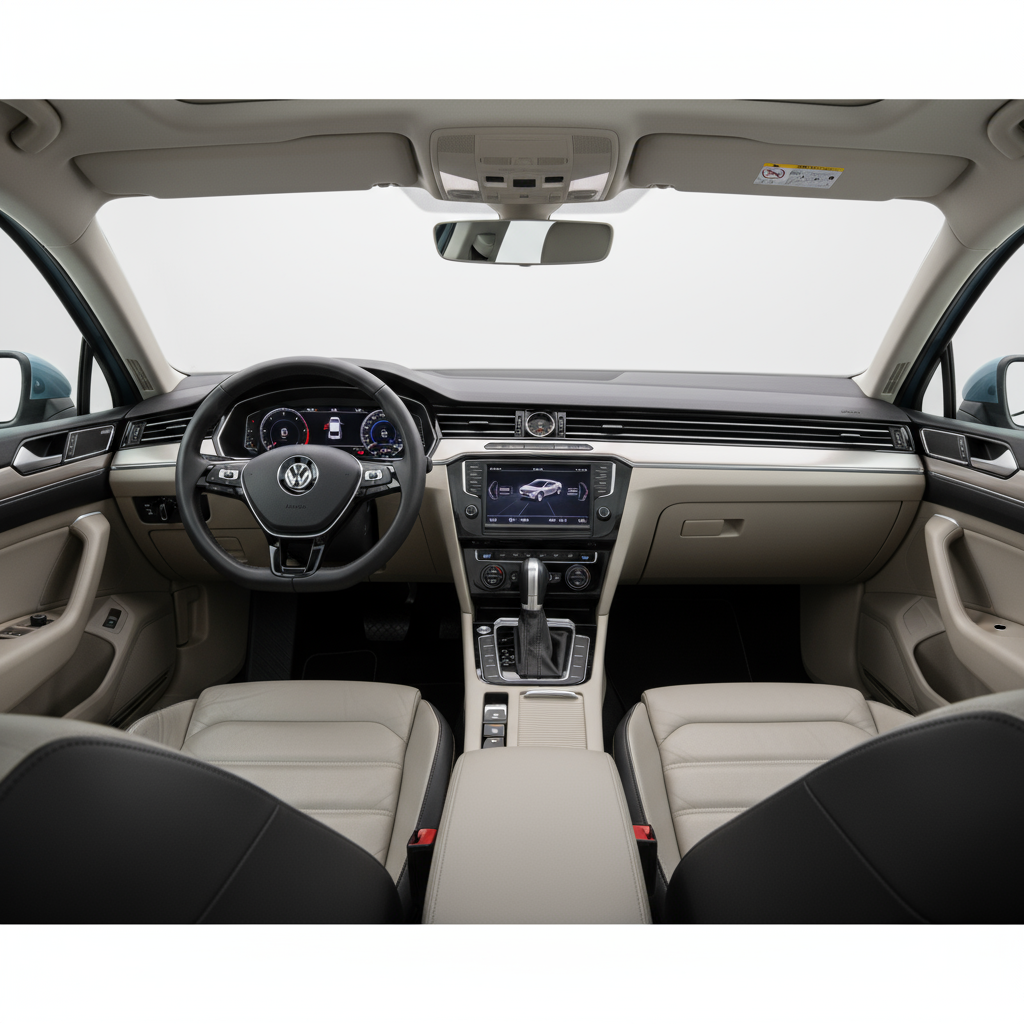
The design of the 2015 Passat R-Line is a statement of intent. Its lines are clean, elegant, and timeless, with a touch of sportiness conferred by the R-Line trim. The 4-door sedan body, with a length of 4767 mm and a width of 1832 mm, projects an image of a large and robust car. R-Line details, such as specific bumpers and 17-inch wheels (215/55 R17), enhance its dynamic character. The interior is an example of ergonomics and quality, with pleasant-to-touch materials and a functional design that prioritizes the comfort of the driver and passengers. The trunk, with 586 liters, is exceptionally spacious, making it an ideal companion for family or business trips.
Technology and features
This Passat incorporates advanced technology for its time. The 2.0 TDI engine features common rail direct injection, variable geometry turbo, and intercooler, which optimizes combustion and reduces consumption. The Stop&Start function contributes to efficiency in urban environments. The 6-speed DSG transmission, with its two oil-bathed multi-plate clutches, is a benchmark in the segment for its speed and smoothness. In terms of safety, it has ventilated front disc brakes and rear disc brakes, ensuring effective braking. The speed-sensitive electric power steering improves maneuverability and stability at high speeds. Although driving assistance systems are not specified, it is expected to include the usual active and passive safety elements for a vehicle of its category and year.
Competition
The Volkswagen Passat R-Line competes in a highly contested segment, facing rivals such as the BMW 3 Series, Audi A4, Mercedes-Benz C-Class, Ford Mondeo, and Opel Insignia. Compared to them, the Passat stands out for its overall balance, interior spaciousness, quality of finishes, and the efficiency of its diesel engine with the excellent DSG transmission. While some rivals may offer a sportier driving experience or greater luxury, the Passat positions itself as a more rational and versatile option, maintaining a high level of comfort and technology.
Conclusion
The 2015 Volkswagen Passat R-Line 2.0 TDI BMT 150 HP DSG6 is a sedan that more than meets expectations. It offers an elegant and sporty design, a spacious and well-finished interior, a powerful and efficient diesel engine, and an automatic transmission that is a delight. It is an ideal car for those looking for a reliable, comfortable vehicle with a touch of distinction for daily use and long trips. Its combined consumption of 4.5 l/100km and low CO2 emissions (118 g/km) also make it an economical and environmentally friendly option.