

Especificaciones y análisis del Volvo V40
Power
109HP
Torque
145Nm
Consumption
7.9l/100
Emissions
-g/km
0-100 km/h
12s
Top Speed
190km/h
Weight
1280kg
Price
20,115€
Technical summary
Gasolina
Manual 5v
FWD
5 / 5 doors
413 L
60 L
80 kW
Current
Technical specifications
Engine
Capacities
Detailed analysis of the Volvo V40 1.6 · 109 CV (2000-2002)
General description
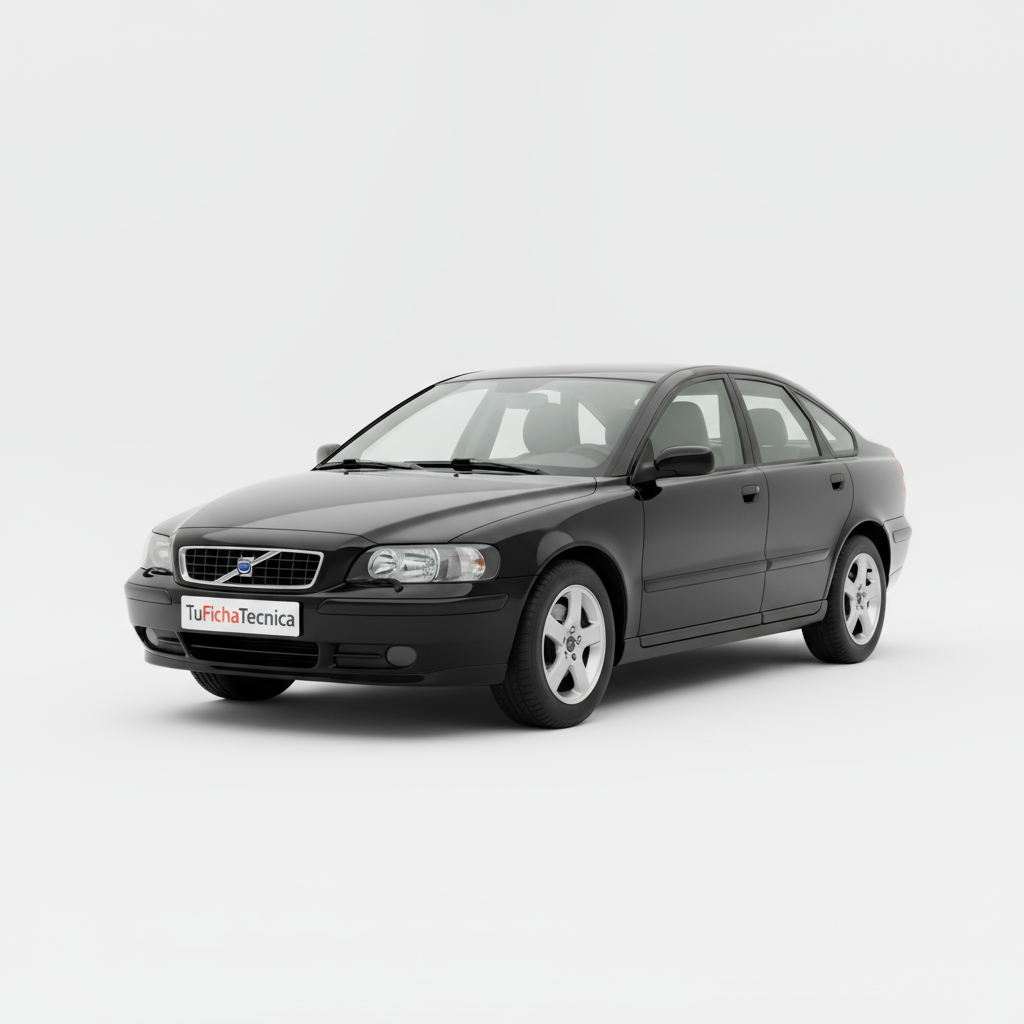
The 1996 Volvo V40 1.6, in its 2000 to 2002 version, is presented as a compact sedan that, despite its discretion, embodies the essence of Swedish safety and functionality. With a 109 hp gasoline engine and a five-speed manual gearbox, this model sought to offer a balance between performance and efficiency for everyday use.
Driving experience
Behind the wheel of the V40 1.6, the predominant feeling is one of solidity and comfort. It is not a car that invites sporty driving, but rather calm and safe journeys. The front McPherson suspension and ventilated disc brakes on the front axle, along with the rear discs, provide a firm footing and adequate braking for its power. The steering, although not the most communicative, fulfills its function in urban and road environments, offering a predictable and relaxed driving experience. Its acceleration from 0 to 100 km/h in 12 seconds and a top speed of 190 km/h place it in a performance range sufficient for most drivers, without great fanfare but with the necessary solvency.
Design and aesthetics
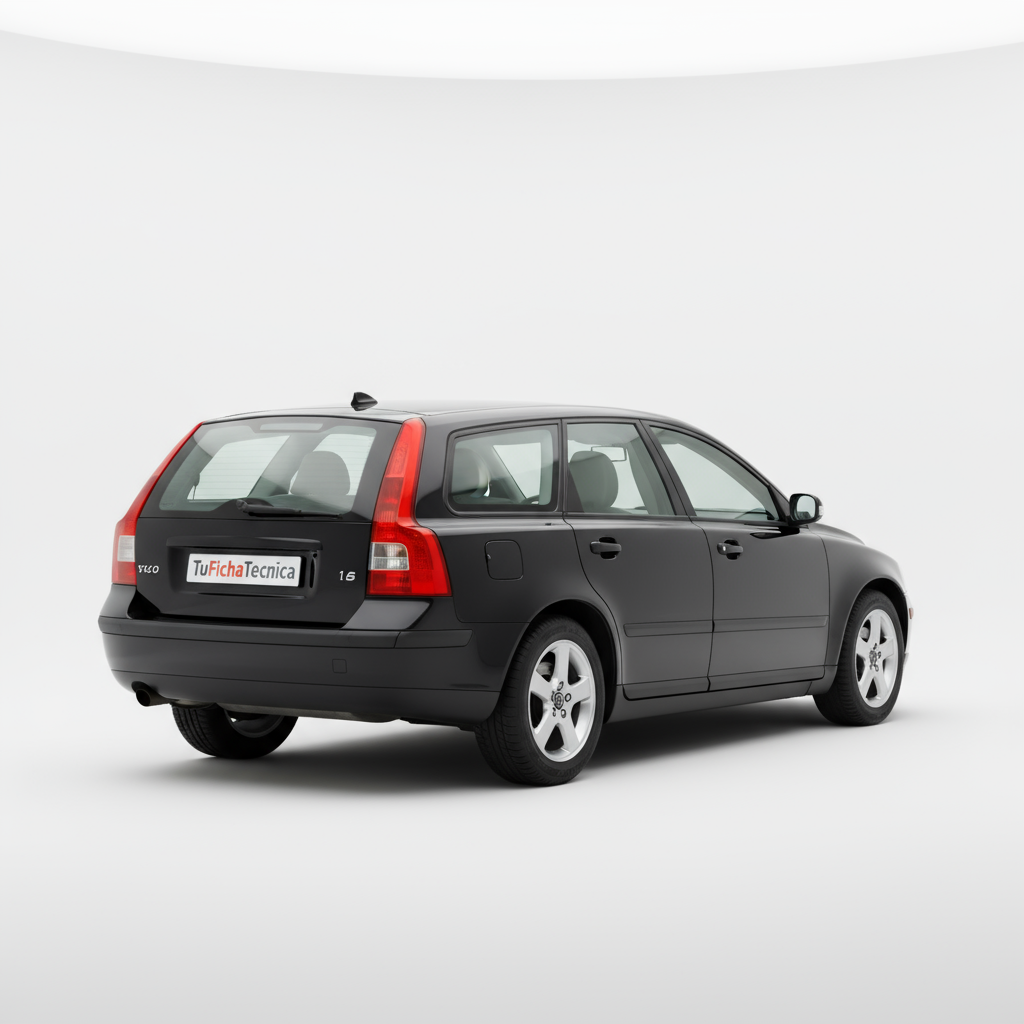
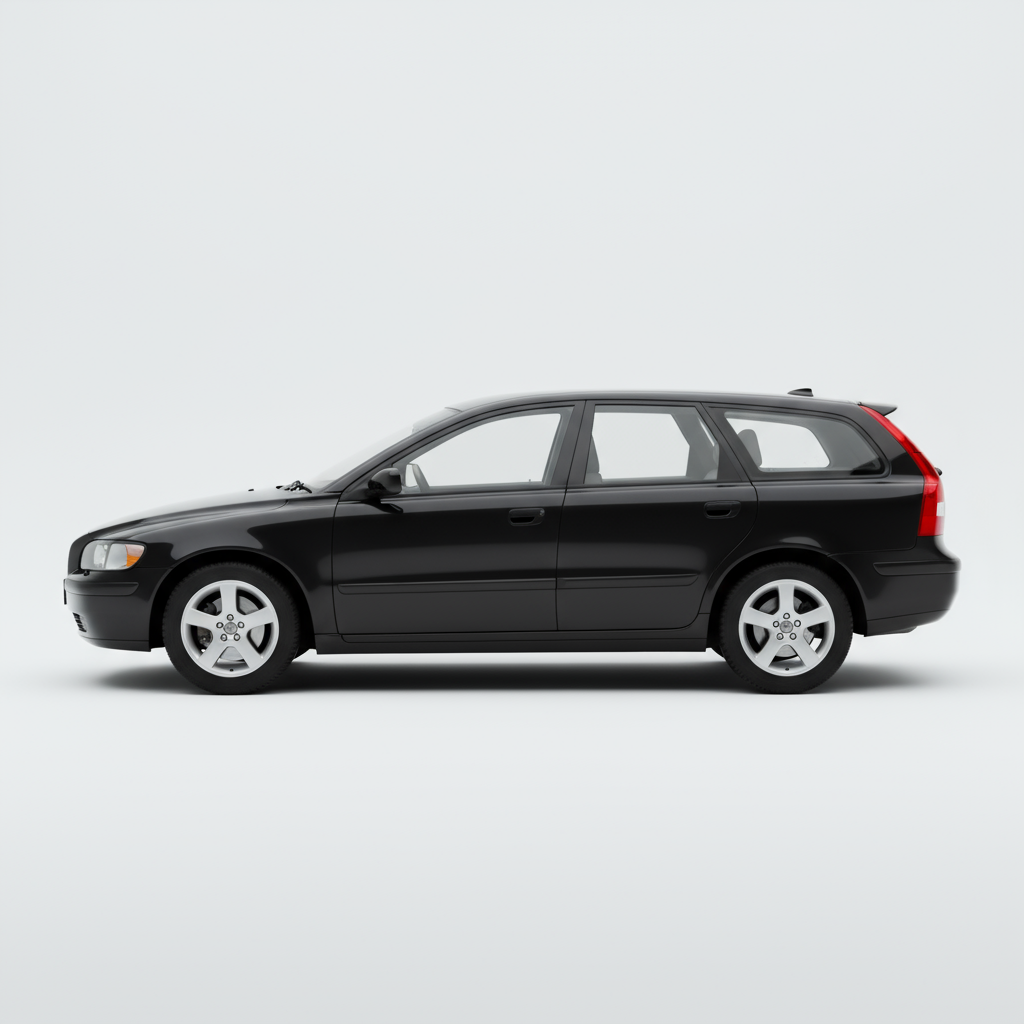
The design of this generation of the Volvo V40 is a reflection of the brand's philosophy at the time: sober, functional, and timeless lines. With a length of 4520 mm, a width of 1720 mm, and a height of 1430 mm, its five-door silhouette offers a familiar and practical appearance. The front, with its characteristic headlights, and the rear, with a wide tailgate, denote a search for functionality above extravagance. The interior, although not detailed in the data, was expected to follow the same line of ergonomics and material quality, with a focus on durability and occupant comfort. The 413-liter trunk is a plus for those who value cargo space.
Technology and features
In terms of technology, the Volvo V40 1.6 of this period was equipped with what was standard for the time. Its 1587 cc gasoline engine, with 4 cylinders and 16 valves, used indirect injection for fuel delivery. The construction of the block and cylinder head in aluminum contributed to a contained weight and better heat dissipation. The five-speed manual transmission was the predominant option, offering direct control over power delivery. In terms of safety, Volvo has always been a benchmark, and although the data does not specify the active and passive safety systems, it is expected that it had good equipment for its segment and year of manufacture. Front-wheel drive (FWD) and front McPherson suspension are proven solutions that guarantee stable and predictable behavior.
Competition
In its segment, the Volvo V40 1.6 faced varied competition. Models such as the Audi A4, the BMW 3 Series, or the Mercedes-Benz C-Class, although perhaps with a more premium approach, were direct rivals in terms of size and compact sedan concept. Other more generalist competitors could include the Volkswagen Passat or the Ford Mondeo, which offered alternatives with different approaches in terms of equipment and price. The V40 was distinguished by its reputation for safety and its Scandinavian design, seeking a niche of customers who valued reliability and discretion.
Conclusion
The Volvo V40 1.6 (2000-2002) is a car that, without being a prodigy of sportiness or radical innovation, more than fulfills its mission as a family and functional vehicle. Its timeless design, its capable engine, and its focus on safety make it a sensible option for those looking for a reliable and comfortable car for everyday use. Its combined consumption of 7.9 l/100km and its environmental label B place it in an intermediate position in terms of efficiency. It is a car that, over time, has proven to be a loyal and robust companion, maintaining the essence of the Swedish brand.