

Especificaciones y análisis del Volvo V40
Power
122HP
Torque
174Nm
Consumption
6.9l/100
Emissions
-g/km
0-100 km/h
10.5s
Top Speed
200km/h
Weight
1355kg
Price
27,035€
Technical summary
Gasolina
Manual 5v
FWD
5 / 5 doors
413 L
60 L
90 kW
Current
Technical specifications
Engine
Capacities
Detailed analysis of the Volvo V40 1.8i Sport · 122 CV (2002)
General description
The 1996 Volvo V40 1.8i Sport is a vehicle that, despite its age, still evokes the essence of Swedish safety and comfort. With its 122 hp gasoline engine and a 5-speed manual transmission, this compact wagon promised a balanced driving experience for its time. Its design, though discreet, concealed engineering designed for daily use and family trips, offering generous interior space and a build quality that has withstood the test of time.
Driving experience
Behind the wheel of the V40 1.8i Sport, the predominant feeling is one of solidity and safety. The 122 hp engine, while not an abundance of power, offers adequate response for most situations, allowing for 0 to 100 km/h acceleration in 10.5 seconds. The suspension, with McPherson struts at the front and a deformable parallelogram at the rear, along with anti-roll bars, provides a good balance between comfort and stability, absorbing road irregularities with composure. The rack-and-pinion steering, though without variable assistance, inspires confidence, and the ventilated front disc brakes and rear disc brakes ensure effective stopping. It's a car that invites relaxed driving but responds capably when pushed.
Design and aesthetics
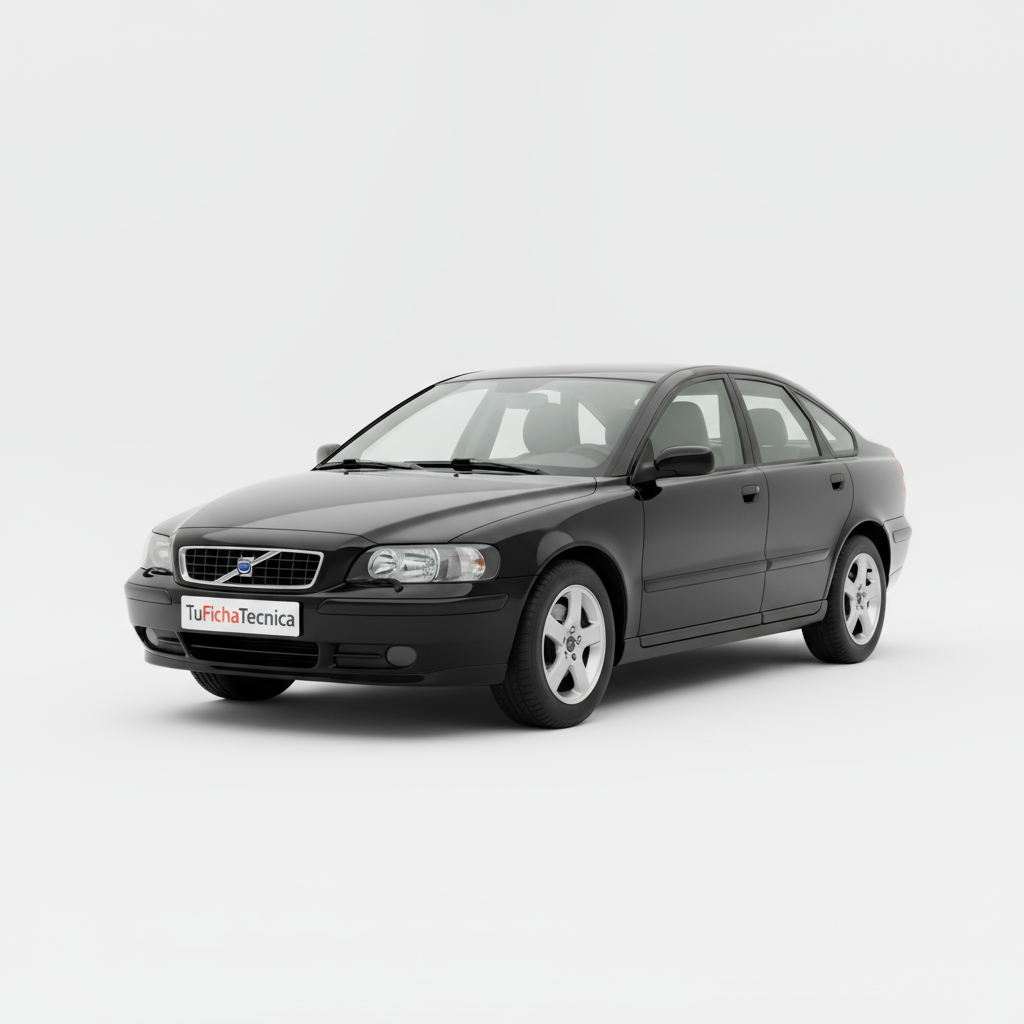
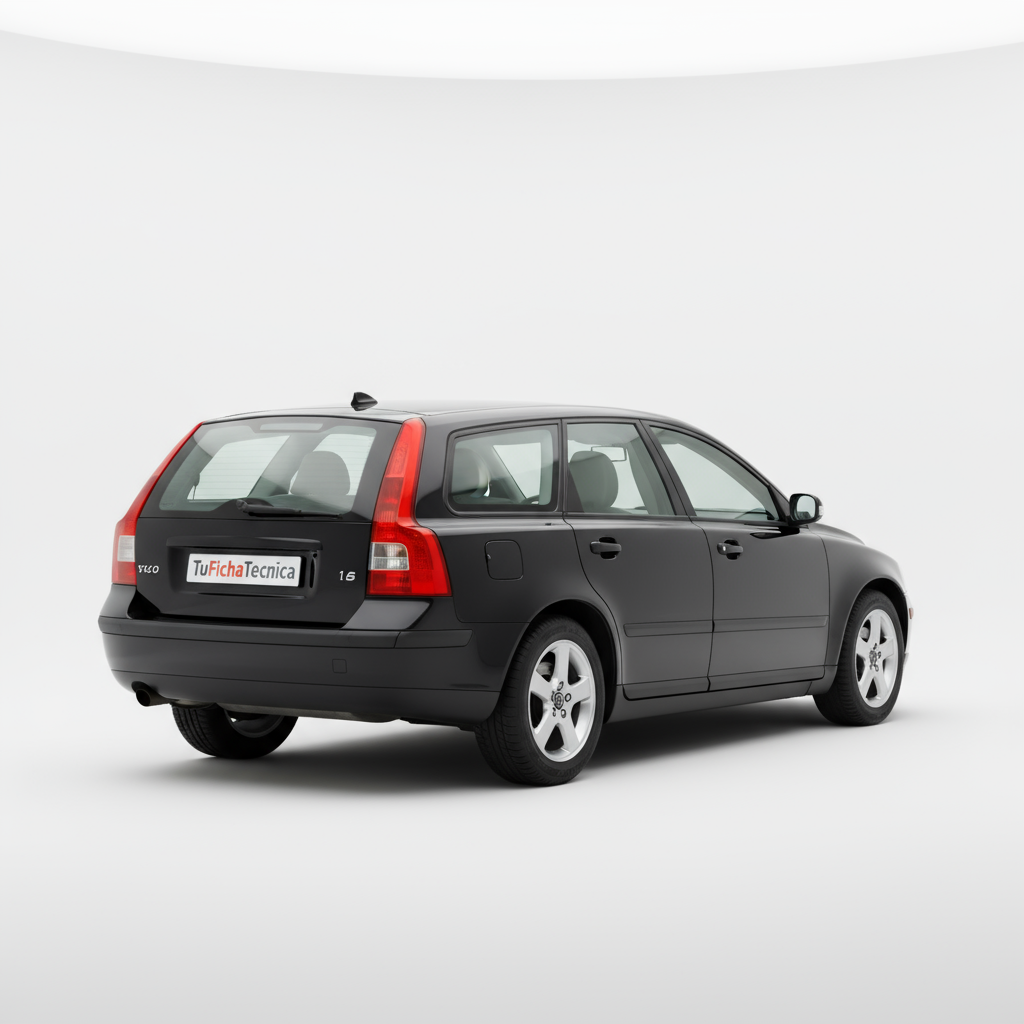
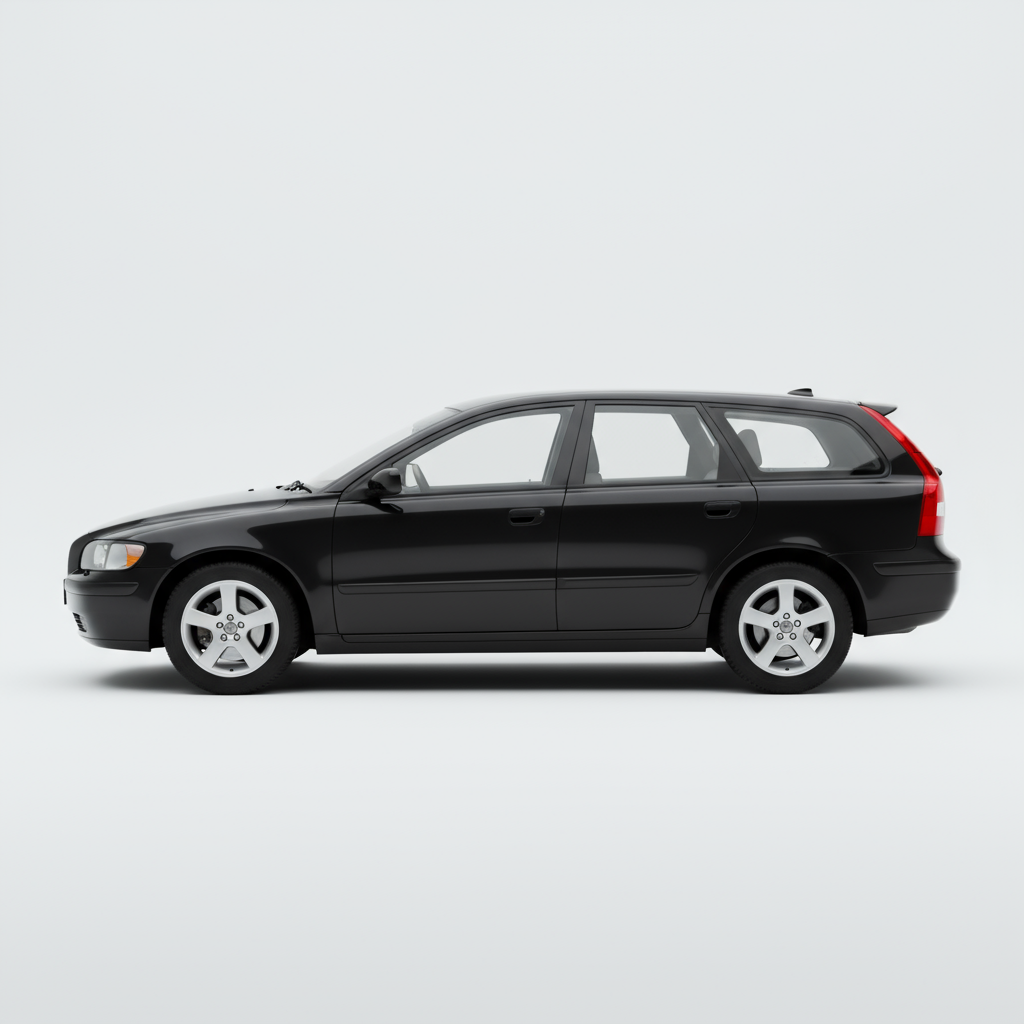
The design of the 1996 Volvo V40 reflects the brand's philosophy at the time: functional, elegant, and timeless. Its lines are clean and discreet, without ostentation, giving it a sober and distinguished presence. With a length of 4520 mm, a width of 1720 mm, and a height of 1430 mm, it offers a well-proportioned family silhouette. The 16-inch wheels with 205/50 R16 tires give it a sporty touch without sacrificing comfort. The interior, although not detailed in the data, was characterized by ergonomics and quality materials, with a 413-liter trunk that made it very practical for daily use and travel.
Technology and features
In terms of technology, the 1996 Volvo V40 1.8i Sport incorporated advanced solutions for its time. Its 1.8-liter gasoline engine with direct injection and a compression ratio of 11.6:1 aimed to optimize performance and efficiency. The engine's construction, with an iron block and aluminum cylinder head, denotes robustness. The 5-speed manual transmission was the standard option for direct power control. Regarding safety, Volvo has always been a pioneer, and although active and passive safety systems are not specified, it is expected to have had comprehensive equipment for the era, including airbags and advanced braking systems. Its combined consumption of 6.9 l/100km was competitive for a vehicle of its segment and year.
Competition
In its era, the Volvo V40 1.8i Sport competed in the premium compact wagon segment with models such as the Audi A4 Avant, the BMW 3 Series Touring, or the Mercedes-Benz C-Class Estate. Compared to them, the V40 offered an alternative with a greater focus on safety and comfort, with a distinctive design and a reputation for reliability. Although it may not have stood out for the sportiness of some of its German rivals, its practicality, the quality of its finishes, and its balanced engine made it a very attractive option for those looking for a family car with a touch of distinction and the peace of mind offered by the Swedish brand.
Conclusion
The 1996 Volvo V40 1.8i Sport is a testament to Swedish engineering, a car that combined the functionality of a wagon with the safety and comfort that have always characterized Volvo. Its 122 hp engine offered adequate performance, and its timeless design remains pleasing to the eye. It is a vehicle that, despite its age, maintains its appeal for those who value durability, practicality, and a serene driving experience. It represents an era when Volvo built cars to last, with an attention to detail that is still evident today.