

Especificaciones y análisis del Volvo V40
Power
125HP
Torque
174Nm
Consumption
6.9l/100
Emissions
-g/km
0-100 km/h
10.5s
Top Speed
200km/h
Weight
1280kg
Price
23,283€
Technical summary
Gasolina
Manual 5v
FWD
5 / 5 doors
413 L
60 L
92 kW
Current
Technical specifications
Engine
Capacities
Detailed analysis of the Volvo V40 1.8i · 125 CV (2000-2002)
General description
The 1996 Volvo V40 1.8i is a vehicle that, despite its age, still evokes the essence of Swedish safety and comfort. With its 125 hp gasoline engine and a 5-speed manual transmission, this model was presented as a balanced option for those looking for a family car with a touch of distinction. Its price of €23,283 at the time reflected its market positioning.
Driving experience
Behind the wheel of the V40 1.8i, the feeling is one of solidity and composure. The front McPherson suspension and disc brakes on both axles (ventilated at the front) offer safe and predictable driving. Although it is not a high-performance car, its 125 hp allows for acceleration from 0 to 100 km/h in 10.5 seconds and a top speed of 200 km/h, respectable figures for its time. The combined consumption of 6.9 l/100km made it a reasonably efficient travel companion. The steering, although lacking the immediacy of modern cars, inspires confidence, and the cabin, with its 5 seats, invites comfortable and quiet journeys.
Design and aesthetics
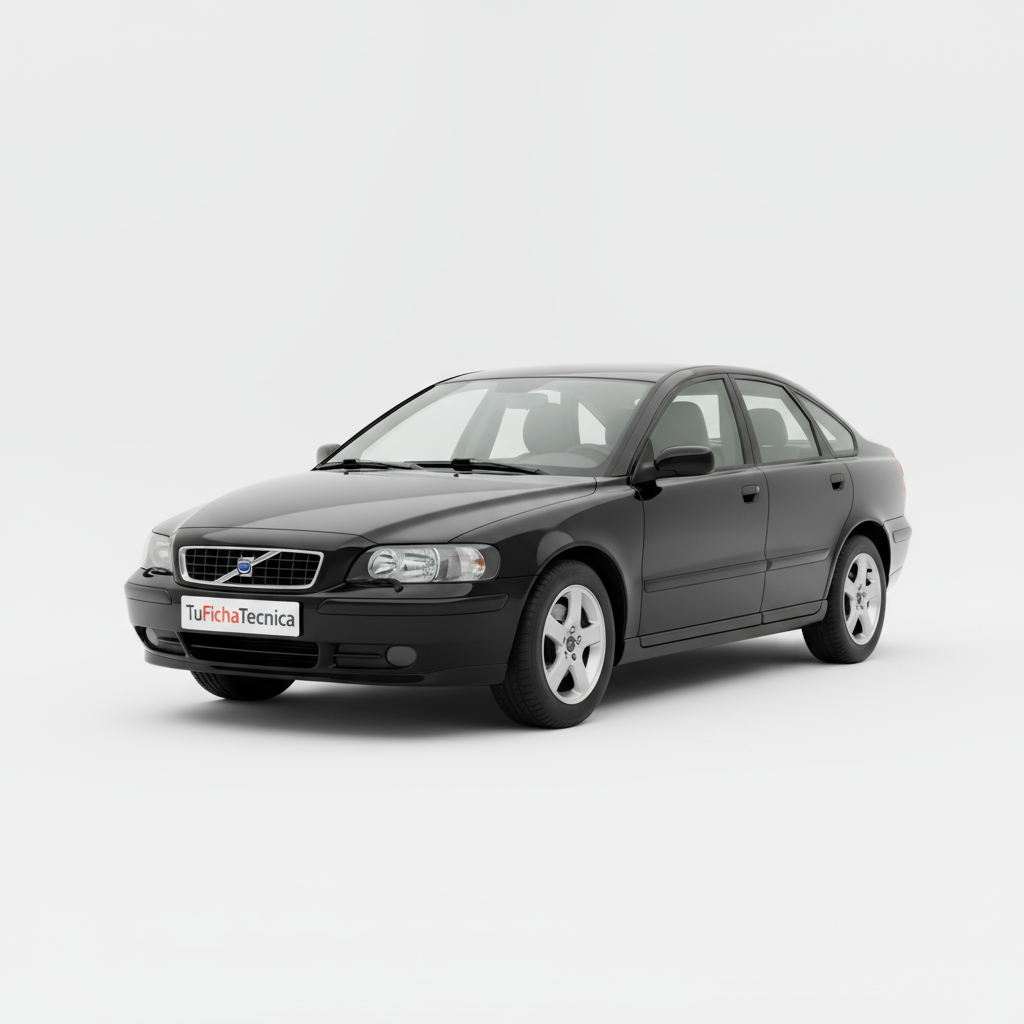
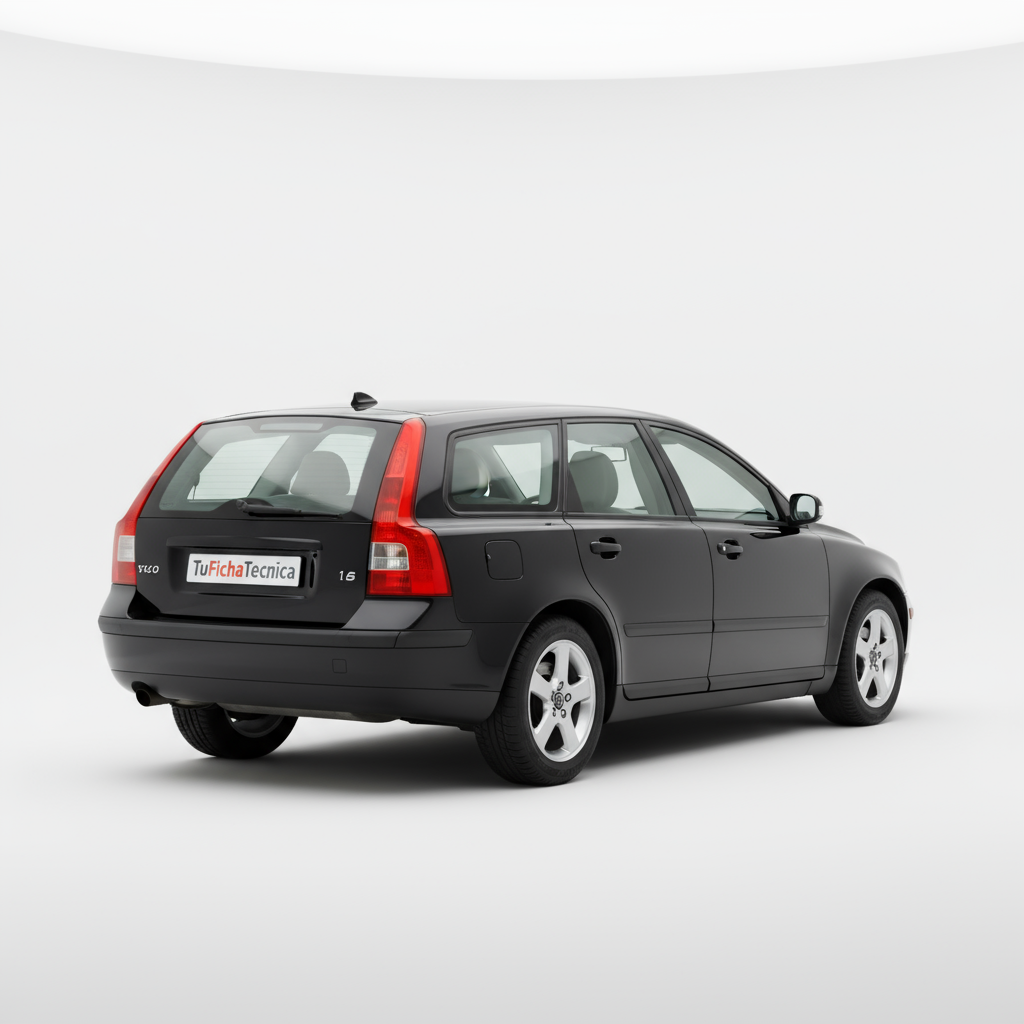
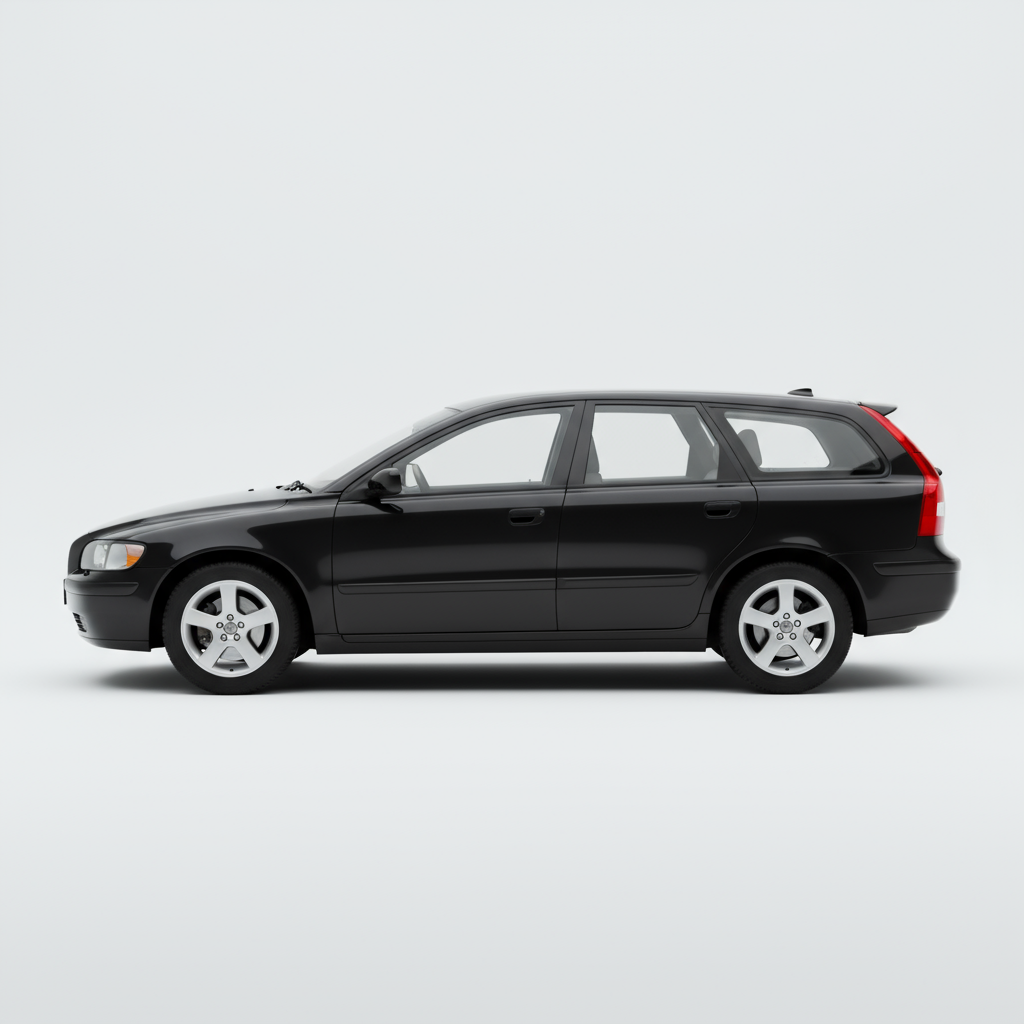
The design of the 1996 Volvo V40 is a reflection of the brand's philosophy: sober, functional, and timeless lines. With a length of 4520 mm and a width of 1720 mm, its 5-door body offered a balance between elegance and practicality. The 413-liter trunk was generous for the time, and the car's overall proportions conveyed a sense of robustness. Although it did not seek extravagance, its classic aesthetic has aged with dignity, maintaining an air of Scandinavian distinction.
Technology and features
In terms of technology, the V40 1.8i incorporated advanced solutions for its time. Its 1.8-liter gasoline engine with direct injection and 4 valves per cylinder was an example of mechanical efficiency. Although it lacked elements such as Stop&Start, its design focused on durability and reliability. The engine materials, with an iron block and aluminum cylinder head, were a testament to robust engineering. In terms of safety, Volvo has always been a pioneer, and this model was no exception, offering a well-designed chassis and effective braking systems.
Competition
In its segment, the Volvo V40 1.8i competed with models such as the Audi A4 Avant, the BMW 3 Series Touring, or the Mercedes-Benz C-Class Estate. Compared to them, the V40 offered an alternative with a more pragmatic approach and an unshakable reputation for safety. Although it perhaps did not achieve the dynamism of some of its German rivals, its comfort, interior space, and build quality made it a very attractive option for an audience that valued functionality and peace of mind.
Conclusion
The 1996 Volvo V40 1.8i is a car that faithfully represents the brand's values: safety, comfort, and durability. It is a vehicle that, despite its age, remains an interesting option for those looking for a practical and reliable car. Its timeless design and robust mechanics make it a modern classic that can still offer many satisfactions on the road. It is a testament to Swedish engineering, a car that envelops you in a feeling of protection and well-being.