

Especificaciones y análisis del Volvo V40
Power
102HP
Torque
215Nm
Consumption
5.4l/100
Emissions
-g/km
0-100 km/h
12s
Top Speed
185km/h
Weight
1355kg
Price
25,945€
Technical summary
Gasóleo
Manual 5v
FWD
5 / 5 doors
413 L
60 L
75 kW
Current
Technical specifications
Engine
Capacities
Detailed analysis of the Volvo V40 1.9D Sport · 102 CV (2002)
General description
The 2002 Volvo V40 1.9D Sport is a vehicle that, despite its age, still evokes the essence of Swedish safety and sobriety. With its 102 hp diesel engine, it presented itself as a practical and efficient option for those looking for a family car with a touch of distinction. Its design, although discreet, promised the robustness and durability that have always characterized the brand.
Driving experience
Behind the wheel of the V40 1.9D Sport, the predominant feeling is one of solidity and control. The diesel engine, although not a powerhouse, delivers its 102 hp linearly and sufficiently for everyday use, with 215 Nm of torque available from low revolutions, facilitating overtakes and city driving. The suspension, McPherson type at the front and deformable parallelogram at the rear, along with 205/50 R16 tires, offers a good balance between comfort and stability, absorbing road irregularities without sacrificing a sense of poise. The rack-and-pinion steering, although without variable assistance, is precise and inspires confidence. It is not a car for strong emotions, but for calm and safe journeys, where the comfort of the occupants is a priority. Acceleration from 0 to 100 km/h in 12 seconds and a top speed of 185 km/h place it in an adequate range for its segment and era, without sporting pretensions, but with the ability to maintain stable cruising speeds on the highway.
Design and aesthetics
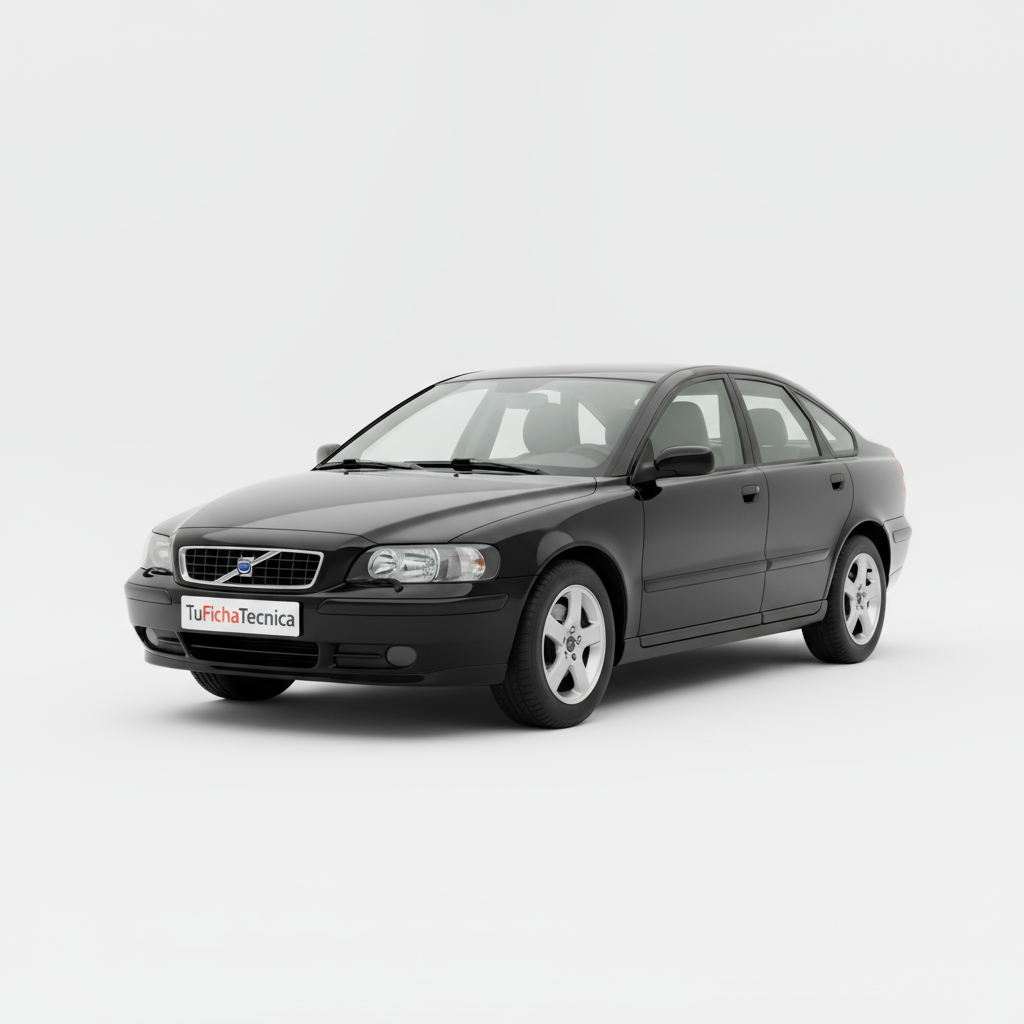
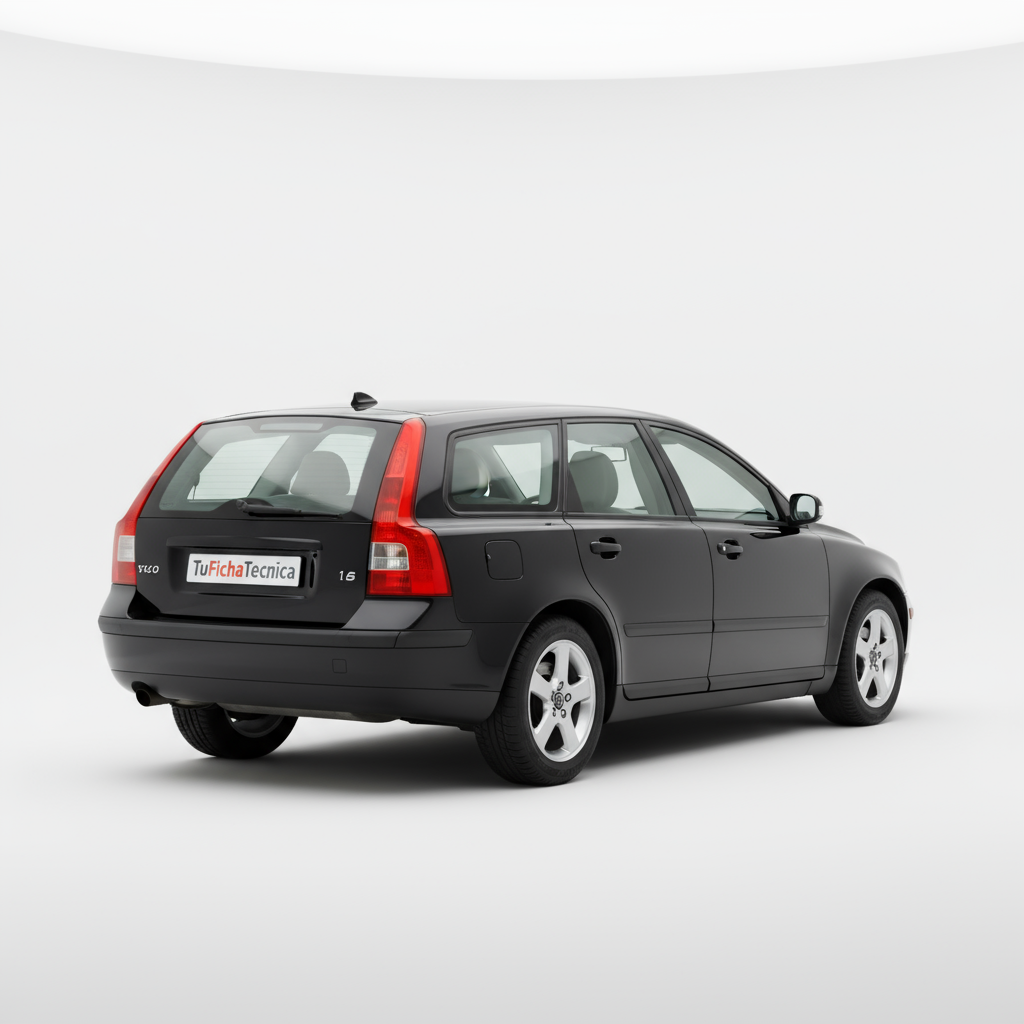
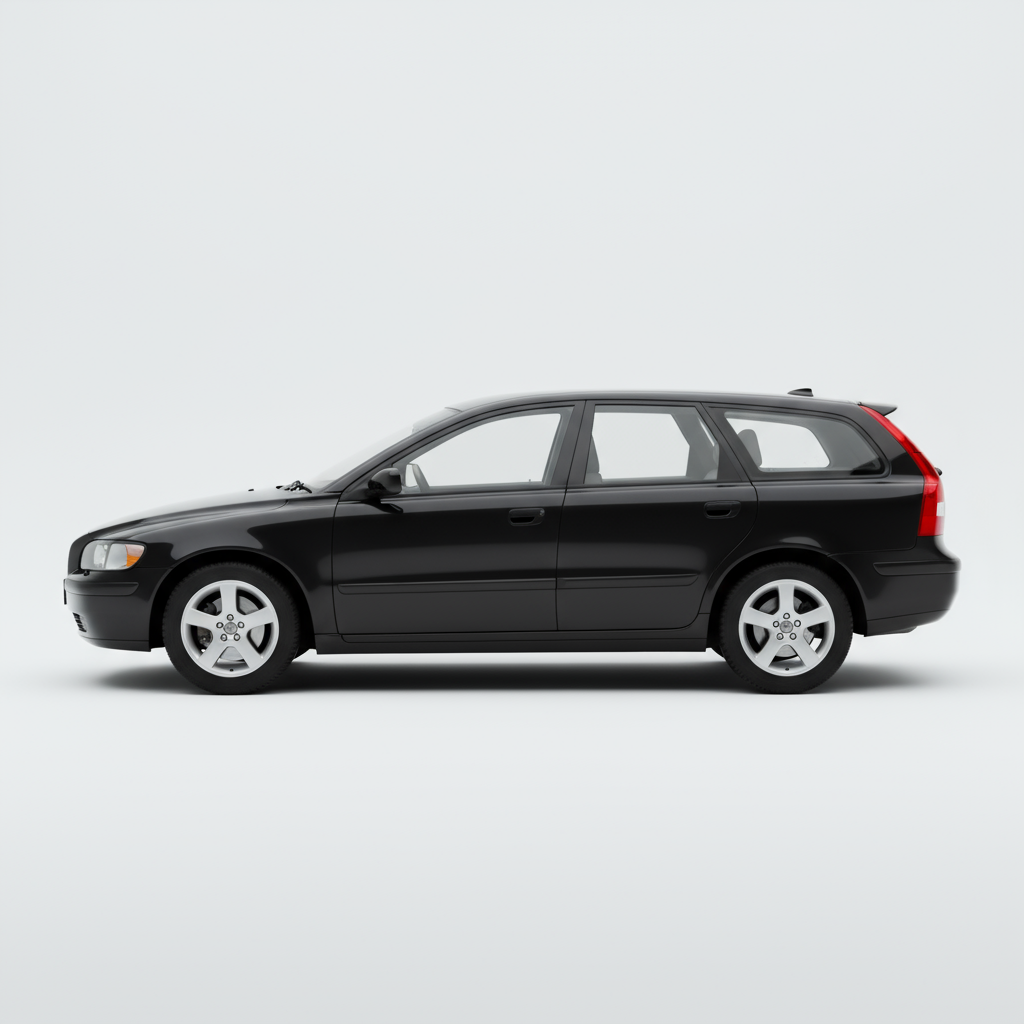
The design of the Volvo V40 1.9D Sport is a reflection of Volvo's philosophy of the early 2000s: functional, elegant, and timeless. Its lines are clean and understated, with a silhouette that combines the practicality of a family car with the discretion of a sedan. The generously sized headlights are harmoniously integrated into the front, while the grille, with the distinctive Volvo logo, gives it a clear identity. Inside, ergonomics are key, with a well-organized dashboard and materials that, although not luxurious, convey a sense of durability. The comfortable and well-designed seats are a strong point, offering good support for long journeys. Despite its 4.52 meters in length, 1.72 meters in width, and 1.43 meters in height, the V40 maintains balanced proportions that give it a sober and distinguished presence on the road.
Technology and features
In terms of technology, the 2002 Volvo V40 1.9D Sport incorporated the solutions typical of its time, mainly focused on safety and functionality. Its 1,870 cc diesel engine, with common rail direct injection and turbo, was an example of efficiency for its era, offering a combined consumption of 5.4 l/100km. The robust and reliable 5-speed manual transmission complemented the mechanics. Regarding safety, Volvo already stood out for its protection systems, although the specific details of this model are not detailed in the provided data. However, it is expected that it had airbags and advanced braking systems for its segment. Independent suspension on both axles and ventilated front disc brakes and solid rear brakes ensured predictable and safe dynamic behavior. Although it did not have the advanced driving aids of today, its technology was aimed at offering a safe and comfortable driving experience.
Competition
At the time, the Volvo V40 1.9D Sport competed in a highly contested segment with models such as the Audi A4 Avant, the BMW 3 Series Touring, or the Mercedes-Benz C-Class Estate. It also faced more generalist but equally competent options such as the Volkswagen Passat Variant or the Ford Mondeo Wagon. Compared to them, the V40 offered Volvo's reputation for safety, a distinctive design, and solid build quality, though perhaps with a less sporty approach than some of its German rivals. Its 102 hp diesel engine positioned it as an efficient and reliable alternative for those who prioritized economy of use and durability.
Conclusion
The 2002 Volvo V40 1.9D Sport is a car that, despite the passage of time, maintains its appeal for those looking for a reliable, safe family vehicle with low fuel consumption. Its timeless design, comfortable ride, and robust mechanics make it an interesting option in the used car market. It is not a car for lovers of pure performance, but for those who value tranquility, safety, and efficiency in their daily commutes. It represents the essence of Volvo: a well-built car, designed to last and to protect its occupants, with a touch of discreet elegance that never goes out of style.