
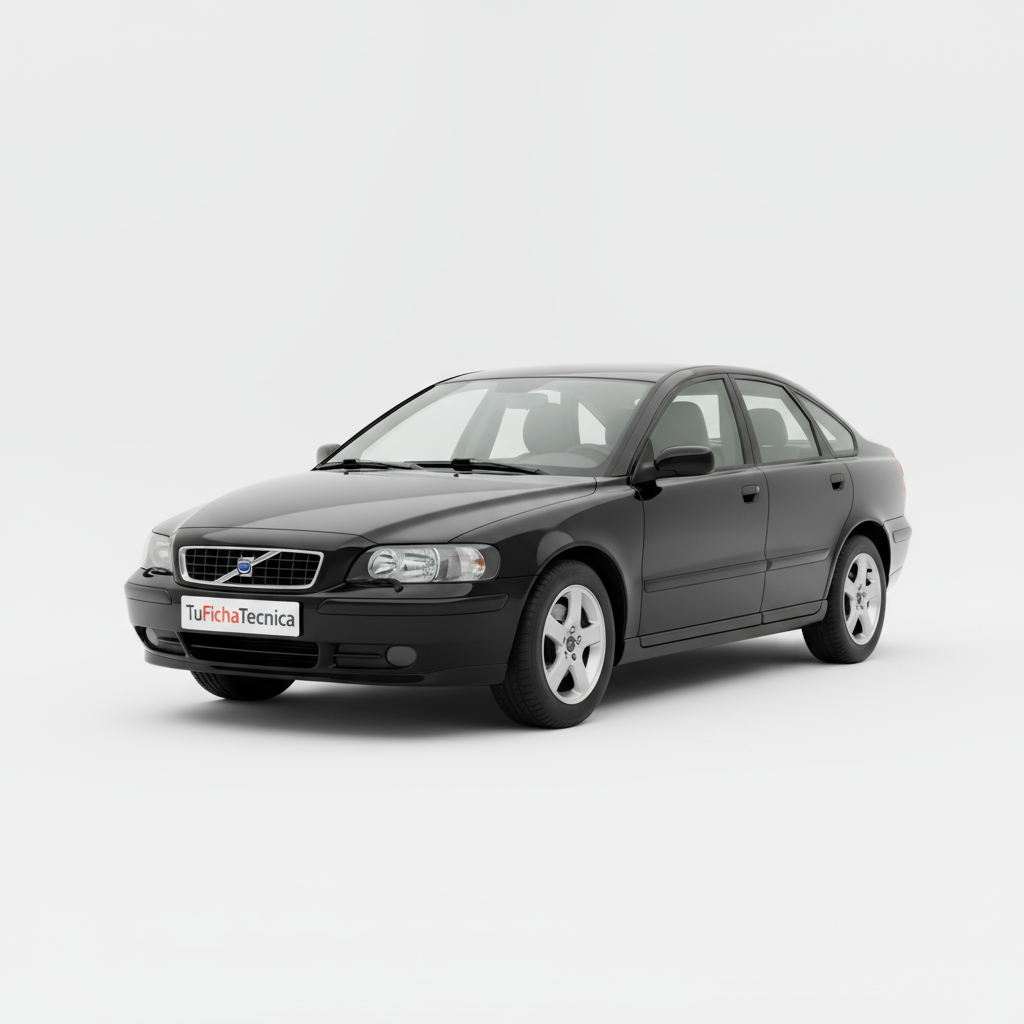
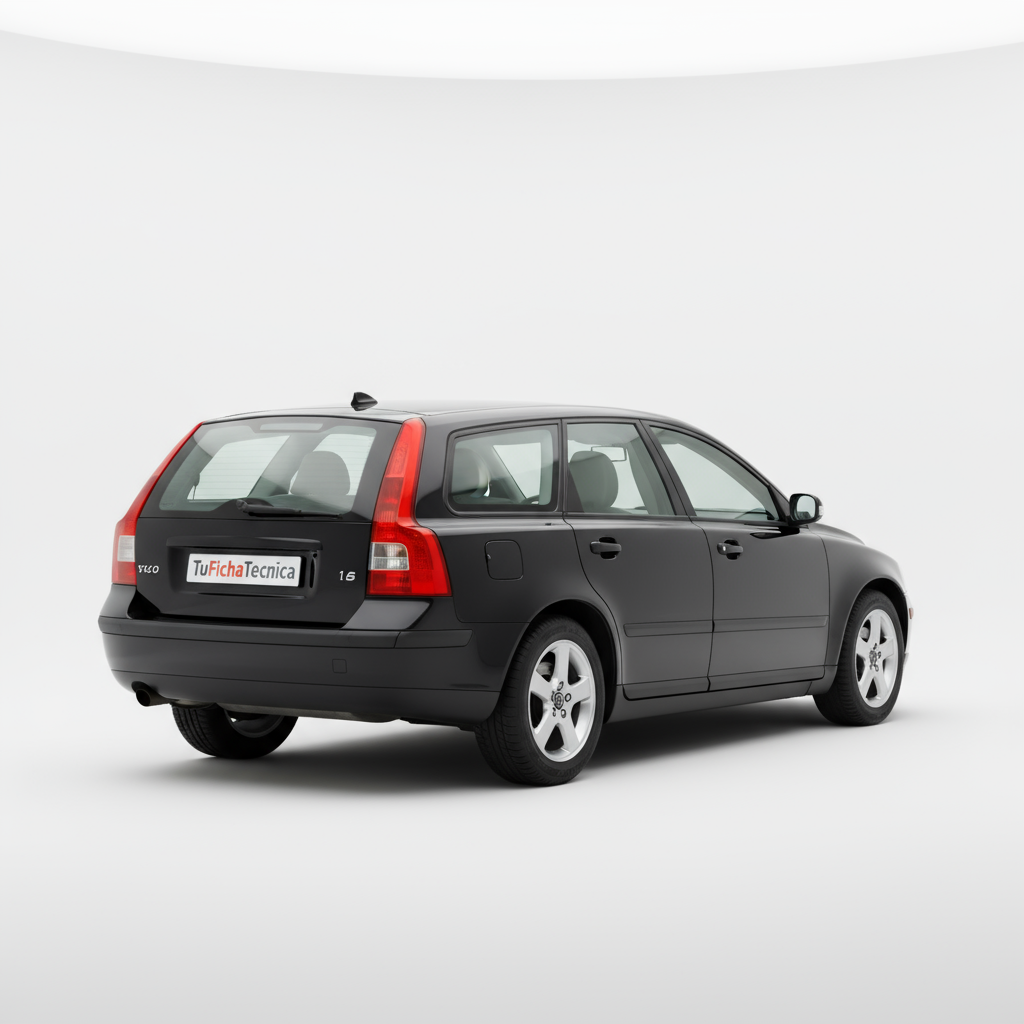
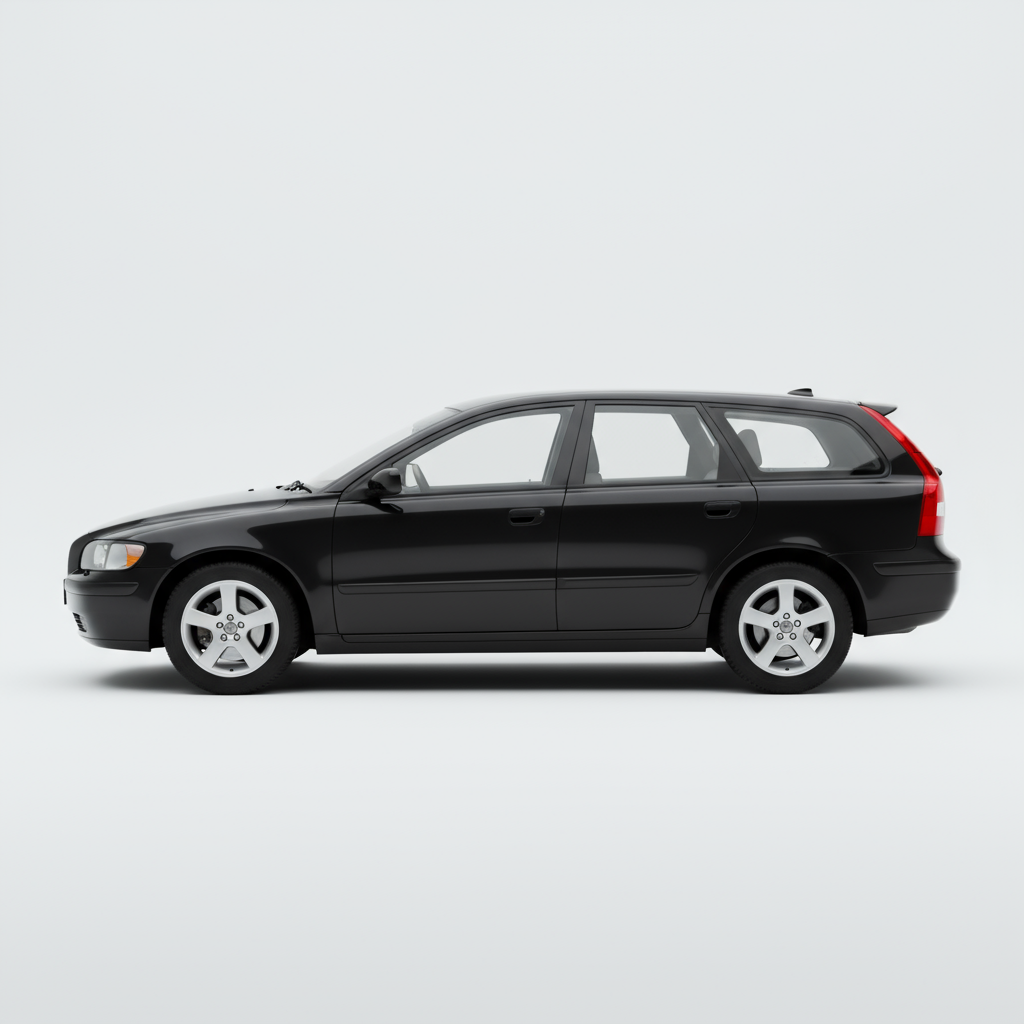

Especificaciones y análisis del Volvo V40
Power
136HP
Torque
190Nm
Consumption
9.1l/100
Emissions
-g/km
0-100 km/h
10.6s
Top Speed
200km/h
Weight
1250kg
Price
25,332€
Technical summary
Gasolina
Automático 4v
FWD
5 / 5 doors
949 L
60 L
100 kW
Current
Technical specifications
Engine
Capacities
Detailed analysis of the Volvo V40 2.0 Aut. · 136 CV (1995-2000)
General description
The 1996 Volvo V40 2.0 Automatic is a vehicle that embodies the essence of Swedish safety and functionality, presented in a compact format yet with a touch of distinction. This model, with its 136 hp gasoline engine and 4-speed automatic transmission, offered a balanced proposition for those seeking a reliable and comfortable car for everyday use, without sacrificing Volvo's characteristic quality. Its arrival on the market marked a turning point for the brand in the premium compact segment.
Driving experience
Behind the wheel of the Volvo V40 2.0 Automatic, the predominant feeling is one of solidity and control. The steering, while not the sportiest, inspires confidence, and the suspension absorbs road irregularities with a smoothness that invites long, relaxed journeys. The 136 hp engine, combined with the automatic gearbox, offers adequate response for most situations, not explosive, but progressive and efficient. The cabin's sound insulation is notable, contributing to a serene and comfortable driving experience, ideal for those who value tranquility in their travels.
Design and aesthetics
The design of the 1996 Volvo V40 reflects the brand's philosophy at the time: clean, functional, and timeless lines. Its 5-door body, with a silhouette that combines the elegance of a sedan with the practicality of a compact estate, gives it a discreet yet distinguished presence. Inside, ergonomics are key, with a well-organized dashboard and good quality materials that stand the test of time. Although it doesn't seek extravagance, its design exudes a sense of robustness and good taste that is still appreciated today.
Technology and features
In 1996, the Volvo V40 2.0 Automatic incorporated technology that, while it may seem basic today, at the time represented a standard of comfort and safety. Its 1948 cc, 136 hp gasoline engine, along with the 4-speed automatic transmission, offered a smooth and uncomplicated drive. In terms of safety, Volvo already stood out for its innovations, and this model was no exception, with protection systems that laid the groundwork for future advancements. Efficiency, with a combined consumption of 9.1 l/100km, was competitive for its segment and era.
Competition
In the competitive premium compact segment of the time, the Volvo V40 2.0 Automatic faced rivals such as the Audi A3, the BMW 3 Series Compact, and the Mercedes-Benz C-Class. Compared to them, the V40 stood out for its focus on safety and comfort, offering a more sober and functional, yet equally refined, alternative. While some rivals opted for more marked sportiness, the Volvo positioned itself as the ideal choice for those who prioritized tranquility, durability, and a less ostentatious design.
Conclusion
The 1996 Volvo V40 2.0 Automatic is a car that, despite its age, maintains its charm and value proposition. It is a vehicle that does not seek to impress with spectacular performance figures, but rather focuses on offering a safe, comfortable, and reliable driving experience. Its timeless design, well-built interior, and reputation for durability make it an interesting option for those looking for a modern classic with a touch of distinction. It is a car that envelops you in a feeling of protection and well-being, a true Volvo in every detail.