

Especificaciones y análisis del Volvo V40
Power
163HP
Torque
240Nm
Consumption
8.7l/100
Emissions
-g/km
0-100 km/h
9s
Top Speed
215km/h
Weight
1355kg
Price
29,827€
Technical summary
Gasolina
Automático 5v
FWD
5 / 5 doors
413 L
60 L
120 kW
Current
Technical specifications
Engine
Capacities
Detailed analysis of the Volvo V40 2.0T Premium Aut. · 163 CV (2002)
General description
The 1996 Volvo V40 2.0T Premium Aut. is a vehicle that, despite its age, still evokes the essence of Swedish safety and comfort. With its 163 hp gasoline engine and 5-speed automatic transmission, this model presented itself as a balanced option for those seeking a family car with a touch of distinction and performance.
Driving experience
Behind the wheel of the V40, the feeling is one of solidity and composure. The suspension, McPherson type at the front and deformable parallelogram at the rear, offers a good compromise between comfort and stability, absorbing road irregularities with grace. The 1.9-liter turbo engine, with its 163 hp, delivers an energetic response, especially at low revolutions thanks to its 240 Nm of torque available from 1800 rpm. Acceleration from 0 to 100 km/h in 9 seconds and a top speed of 215 km/h show that it is not a slow car, although its focus is not pure sportiness. The rack-and-pinion steering is precise and inspires confidence, while the disc brakes on both axles ensure effective stopping. The combined consumption of 8.7 l/100km is reasonable for the era and type of engine.
Design and aesthetics
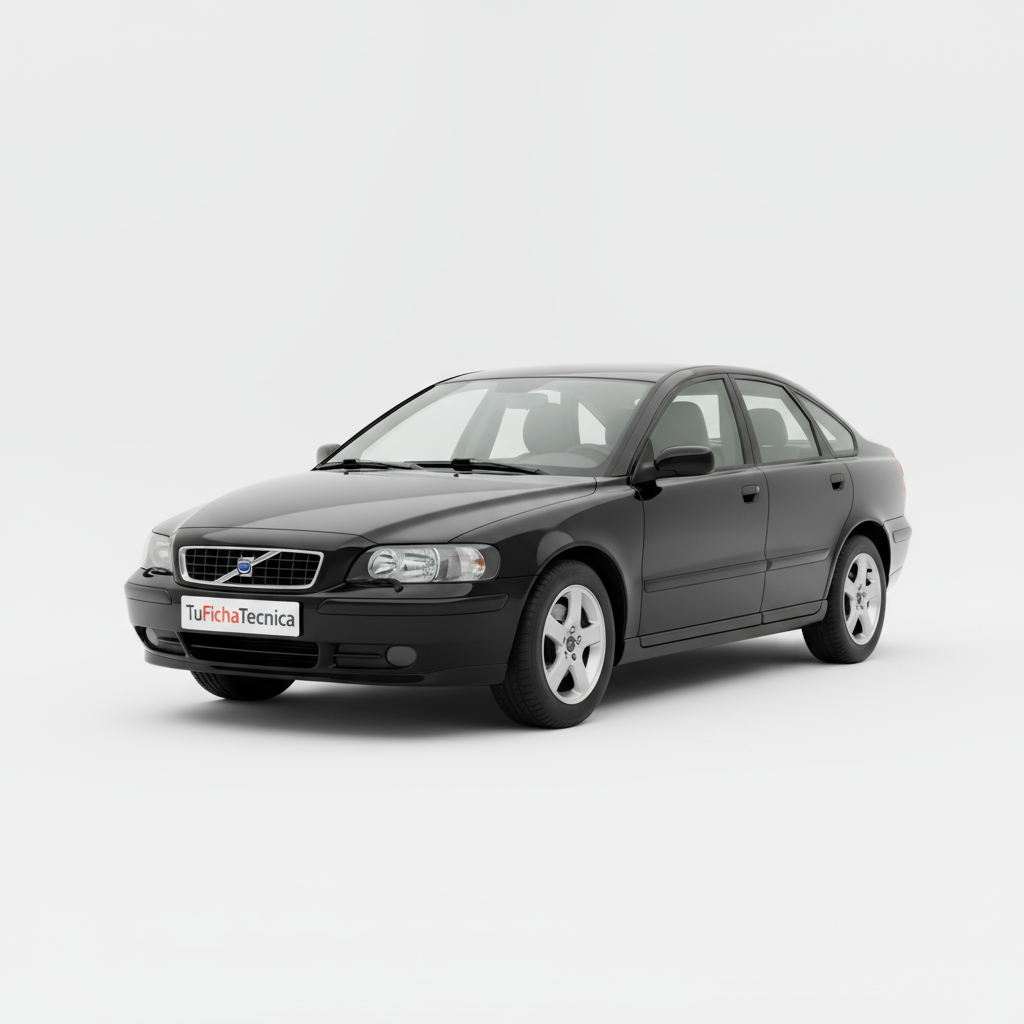
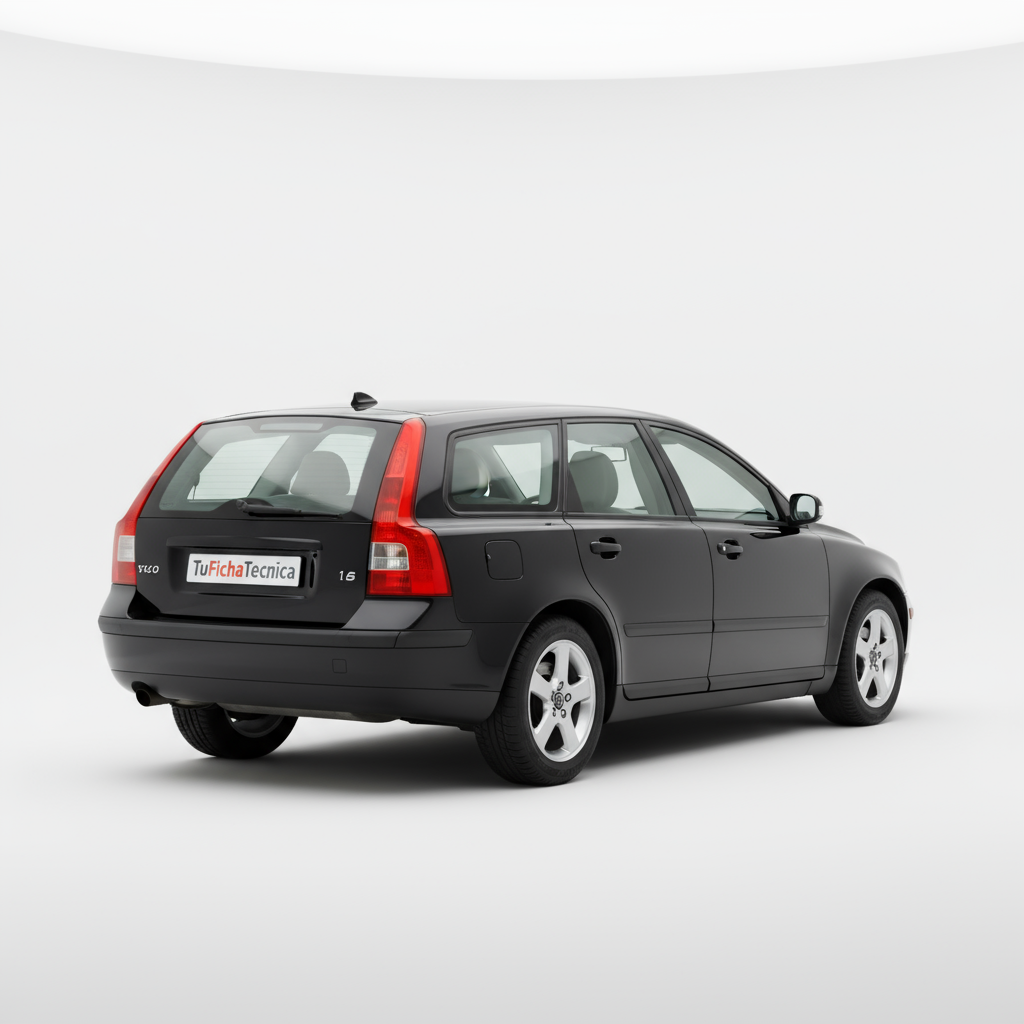
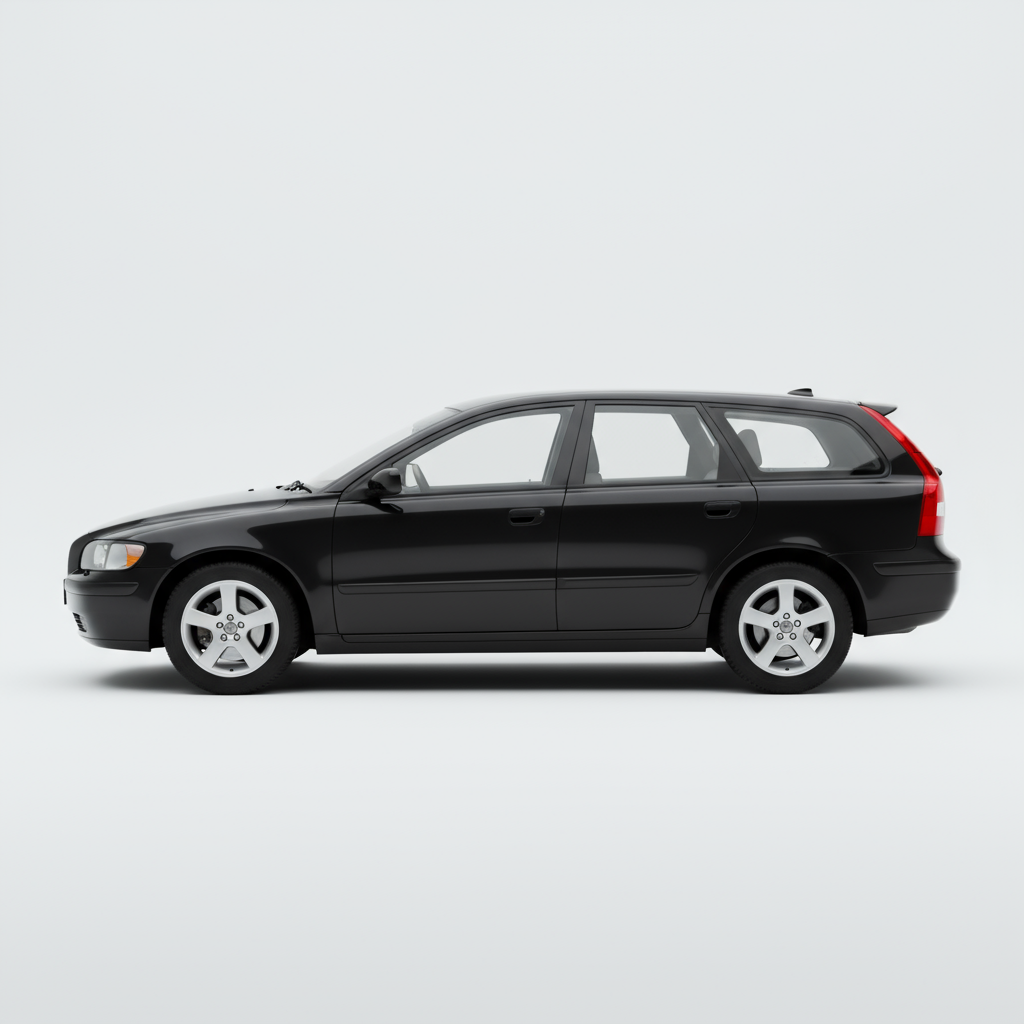
The design of the 1996 Volvo V40 is a reflection of the brand's philosophy: clean, functional, and timeless lines. With a length of 4520 mm, a width of 1720 mm, and a height of 1430 mm, its silhouette is that of a compact, elegant, and discreet family car. The front, with its rectangular headlights and characteristic Volvo grille, projects an image of robustness. The interior, although not detailed, is expected to follow the brand's line, with quality materials and well-thought-out ergonomics, prioritizing the comfort and safety of the occupants. The 413-liter trunk is practical for daily use and family trips.
Technology and features
In its time, the Volvo V40 incorporated advanced technology for safety and comfort. The 1.9-liter gasoline engine with indirect injection, turbo, and intercooler was an example of efficiency and performance. The 5-speed automatic transmission offered a smooth and relaxed driving experience. Although interior equipment details are not specified, it is expected to have features such as air conditioning, power windows, and a quality sound system, typical of a Premium trim. The chassis structure, with well-resolved suspensions and disc brakes on all four wheels, contributed to a safe and controlled driving experience.
Competition
In the compact premium family car segment of its time, the Volvo V40 faced competitors such as the Audi A4 Avant, the BMW 3 Series Touring, and the Mercedes-Benz C-Class Estate. Each offered its own interpretation of luxury and functionality, but the V40 stood out for its reputation for safety, its sober design, and its ride comfort, attracting an audience that valued discretion and reliability.
Conclusion
The 1996 Volvo V40 2.0T Premium Aut. is a car that, despite its age, maintains a special charm. It is a testament to Swedish engineering, offering a combination of safety, comfort, and more than adequate performance for its segment. For those looking for a modern classic with a touch of distinction and a pleasant driving experience, this V40 remains an interesting option, a car that envelops you in a feeling of protection and well-being on every journey.