

Especificaciones y análisis del Volvo V40
Power
136HP
Torque
190Nm
Consumption
8.4l/100
Emissions
-g/km
0-100 km/h
9.7s
Top Speed
205km/h
Weight
1250kg
Price
23,980€
Technical summary
Gasolina
Manual 5v
FWD
5 / 5 doors
949 L
60 L
100 kW
Current
Technical specifications
Engine
Capacities
Detailed analysis of the Volvo V40 2.0 · 136 CV (1995-2000)
General description
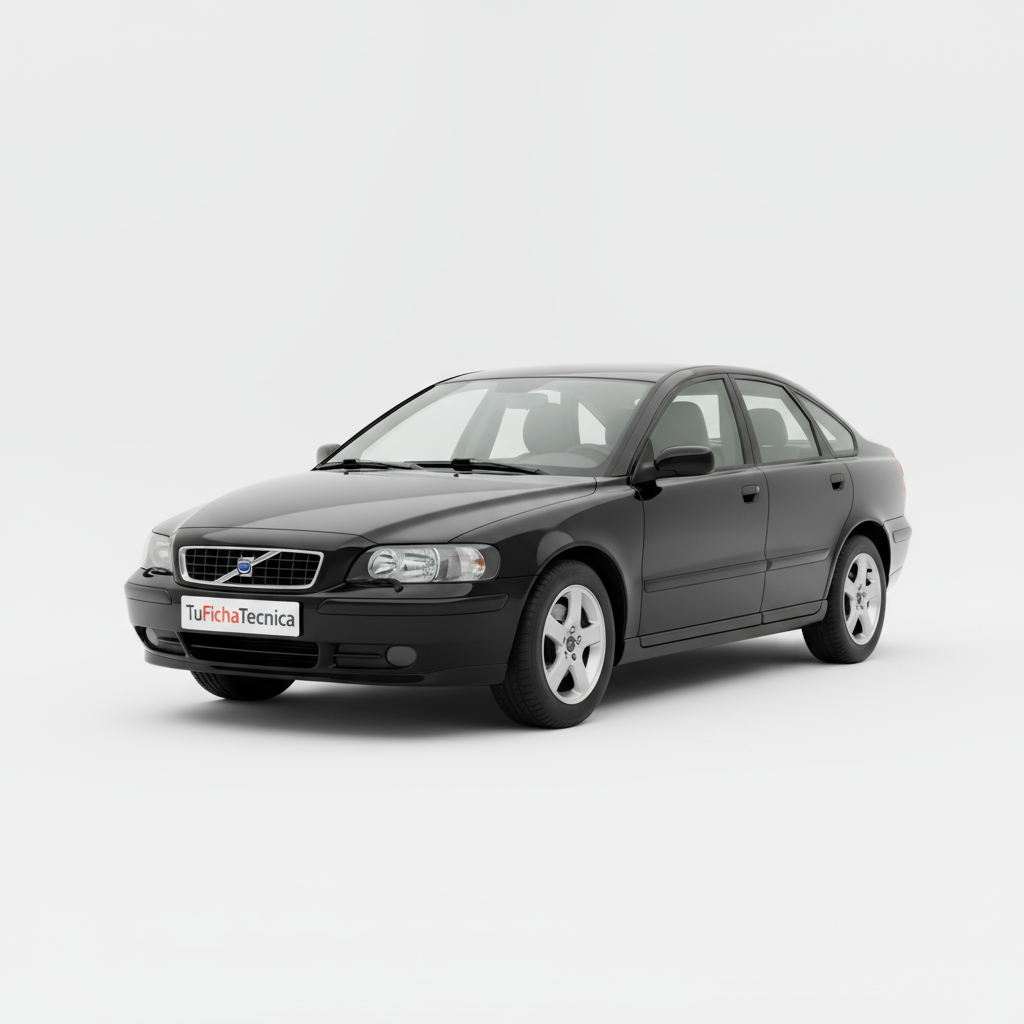
The 1996 Volvo V40, in its 2.0 version, presents itself as a compact sedan that, despite its age, still evokes the essence of Swedish safety and sobriety. With a 136 hp gasoline engine and a 5-speed manual gearbox, this model aimed to offer a balance between performance and efficiency for its time. Its five-door design and focus on functionality made it a practical option for families, without sacrificing the quality that has always characterized Volvo.
Driving experience
Behind the wheel of the Volvo V40 2.0, the predominant feeling is one of solidity and control. Although it is not a car designed for extreme sportiness, its 136 hp are sufficient to move it with agility in daily traffic and offer an adequate response on the road. Acceleration from 0 to 100 km/h in 9.7 seconds and a top speed of 205 km/h show that it is not left behind. The suspension, although not the softest, filters road irregularities well, providing a comfortable ride. The steering, without being overly communicative, inspires confidence, and the five-speed manual gearbox feels precise and robust. It is a car that invites relaxed driving, but responds capably when demanded.
Design and aesthetics
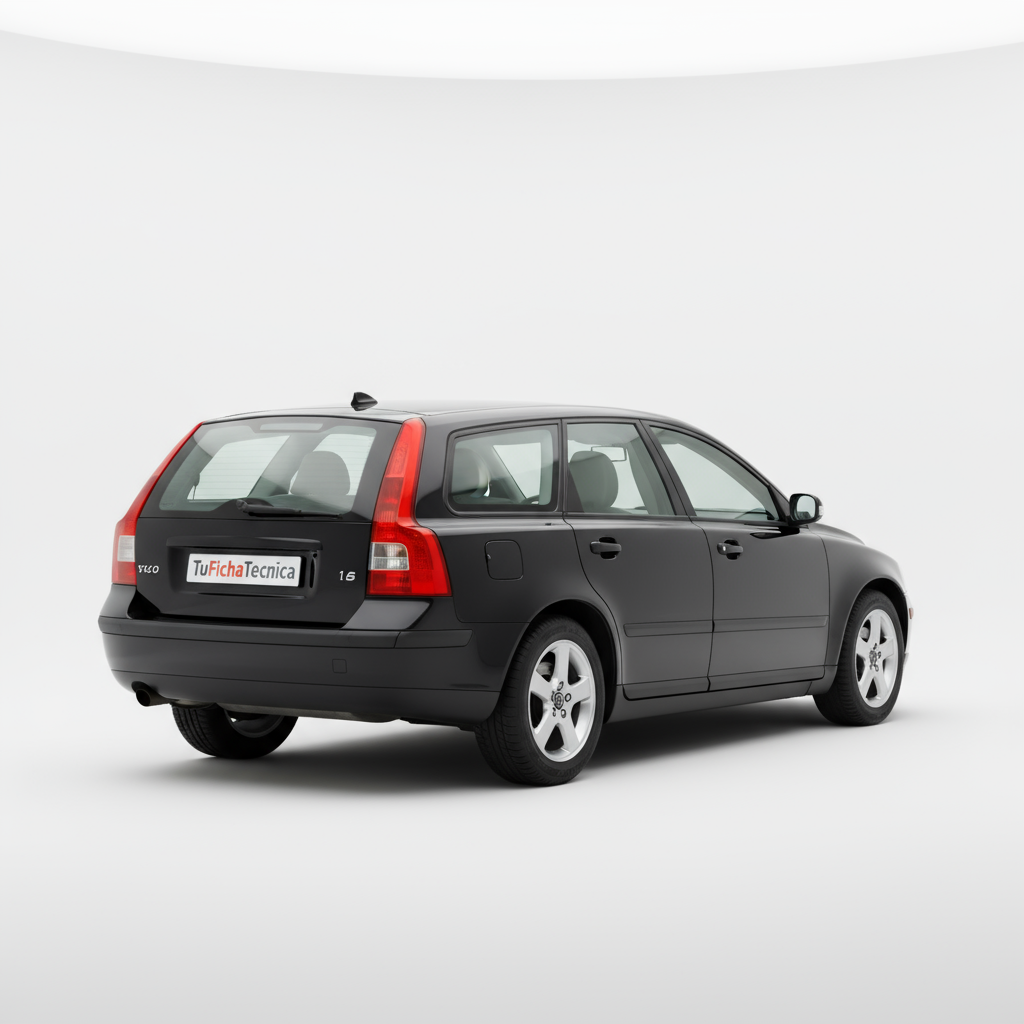
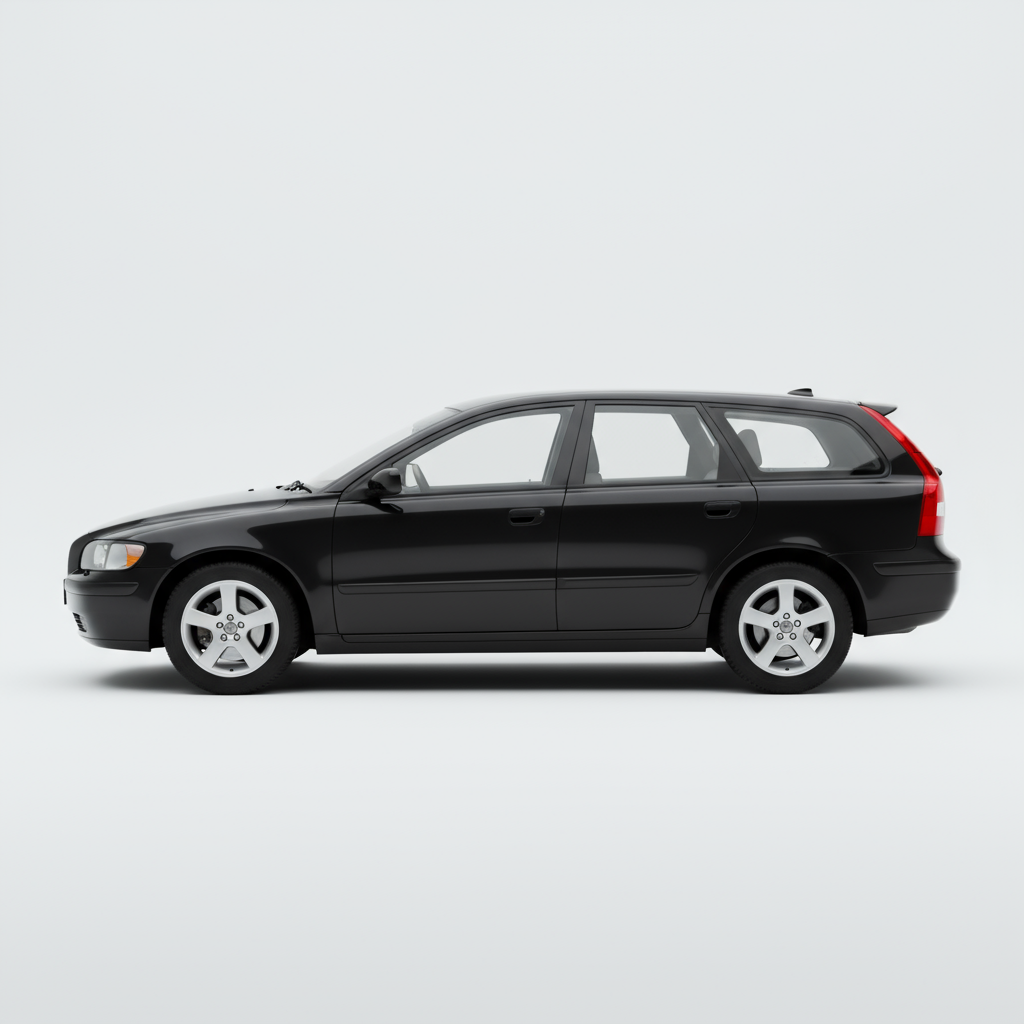
The design of the 1996 Volvo V40 is a clear reflection of the brand's aesthetic in that decade: clean lines, functional shapes, and a discreet yet elegant presence. Its five-door body, with a length of 4483 mm, a width of 1717 mm, and a height of 1413 mm, gives it a balanced and timeless silhouette. The front, with its rectangular headlights and characteristic Volvo grille, projects an image of robustness. Inside, functionality takes precedence over artifice, with a well-organized dashboard and materials that, although not luxurious, are durable and pleasant to the touch. The interior space is generous for four occupants, and the trunk, with 949 liters, offers surprising capacity for its segment.
Technology and features
In 1996, the Volvo V40 2.0 incorporated the technology expected of a vehicle in its class. Its 1948 cc gasoline engine, with 4 cylinders and 2 valves per cylinder, delivered 136 hp at 5800 rpm and a torque of 190 Nm at 4000 rpm, respectable figures for the time. Front-wheel drive and a 5-speed manual transmission were the standard configuration. In terms of safety, Volvo was already a benchmark, and although the specific details of this model are not broken down, it is expected that it had the most advanced passive safety systems of its time. The combined consumption of 8.4 l/100km, with 11.9 l/100km in urban and 6.4 l/100km in extra-urban, was competitive for an engine of this displacement.
Competition
At the time, the Volvo V40 2.0 faced tough competition in the premium compact sedan segment. Its main rivals included models such as the Audi A4, the BMW 3 Series, and the Mercedes-Benz C-Class, all with a strong presence in the European market. It also competed with more generalist but well-equipped options such as the Volkswagen Passat or the Ford Mondeo. The V40 stood out for its focus on safety, its sober design, and its reputation for reliability, attracting an audience that valued practicality and durability over ostentation.
Conclusion
The 1996 Volvo V40 2.0 is a testament to Volvo's philosophy: safety, functionality, and durability. Although years have passed, this model remains an admirable car for its solid engineering and timeless design. It offers a comfortable and safe driving experience, with an engine that more than meets daily use. It is a vehicle that, despite not standing out for its extravagance, earns respect for its honesty and its ability to efficiently fulfill its purpose. For those looking for a reliable classic with character, the V40 remains an interesting option.