

Especificaciones y análisis del Volvo V40
Power
165HP
Torque
240Nm
Consumption
8.3l/100
Emissions
-g/km
0-100 km/h
8.5s
Top Speed
220km/h
Weight
1300kg
Price
25,975€
Technical summary
Gasolina
Manual 5v
FWD
5 / 5 doors
413 L
60 L
121 kW
Current
Technical specifications
Engine
Capacities
Detailed analysis of the Volvo V40 2.0T · 165 CV (2000-2002)
General description
The 1996 Volvo V40 2.0T is a vehicle that embodies the essence of Swedish safety and functionality, but with a touch of dynamism that makes it special. This compact estate, with its 165 hp engine, promised a balanced driving experience, ideal for those looking for a practical car without sacrificing certain features. Its timeless design and focus on durability made it an attractive option in its segment, standing out for its reliability and its ability to handle daily life with solvency.
Driving experience
Behind the wheel of the Volvo V40 2.0T, the feeling is one of solidity and control. The 165 hp turbo engine offers an energetic response, especially at low revolutions, which facilitates overtaking and highway driving. The 5-speed manual gearbox allows for precise handling, inviting a more active driving style. The suspension, although comfortable, keeps the car well planted in curves, transmitting confidence. It is a car that feels safe and predictable, ideal for long journeys or for daily use, where comfort and peace of mind are priorities.
Design and aesthetics
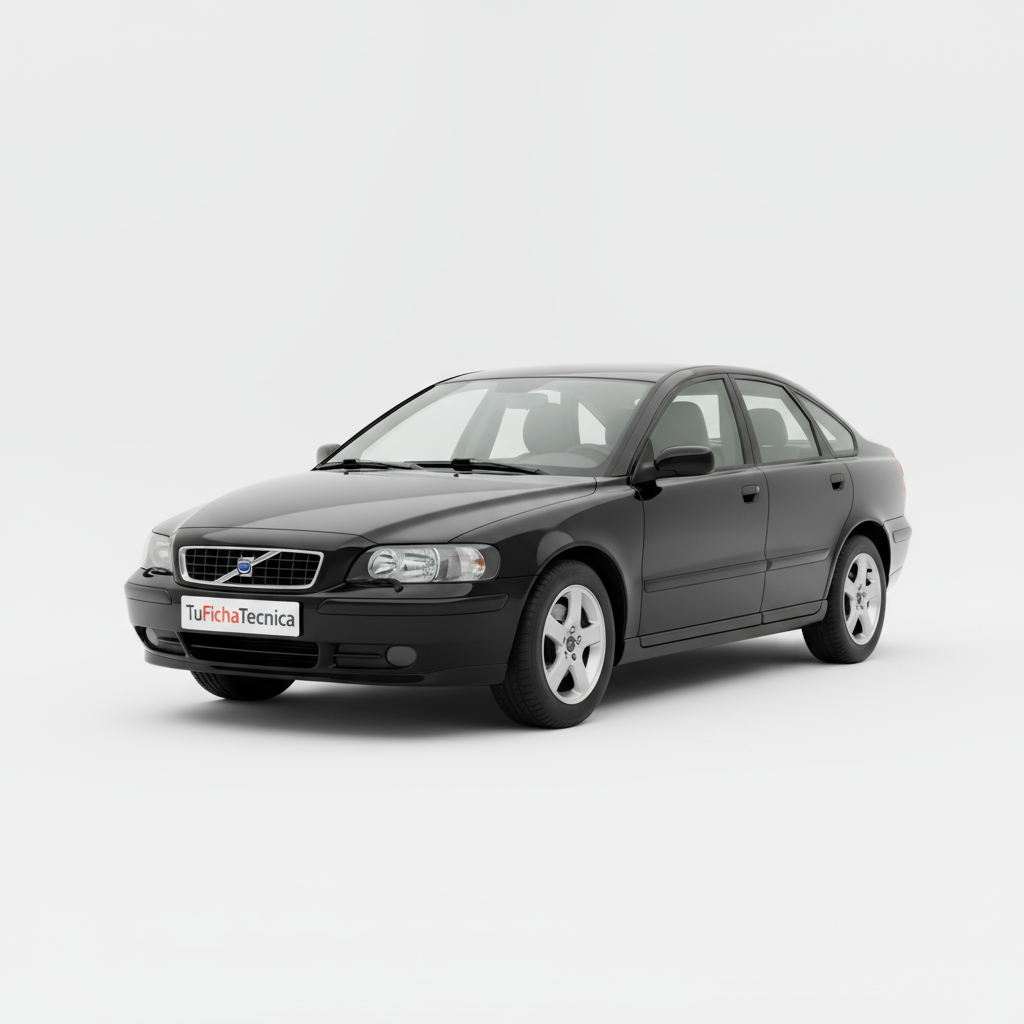
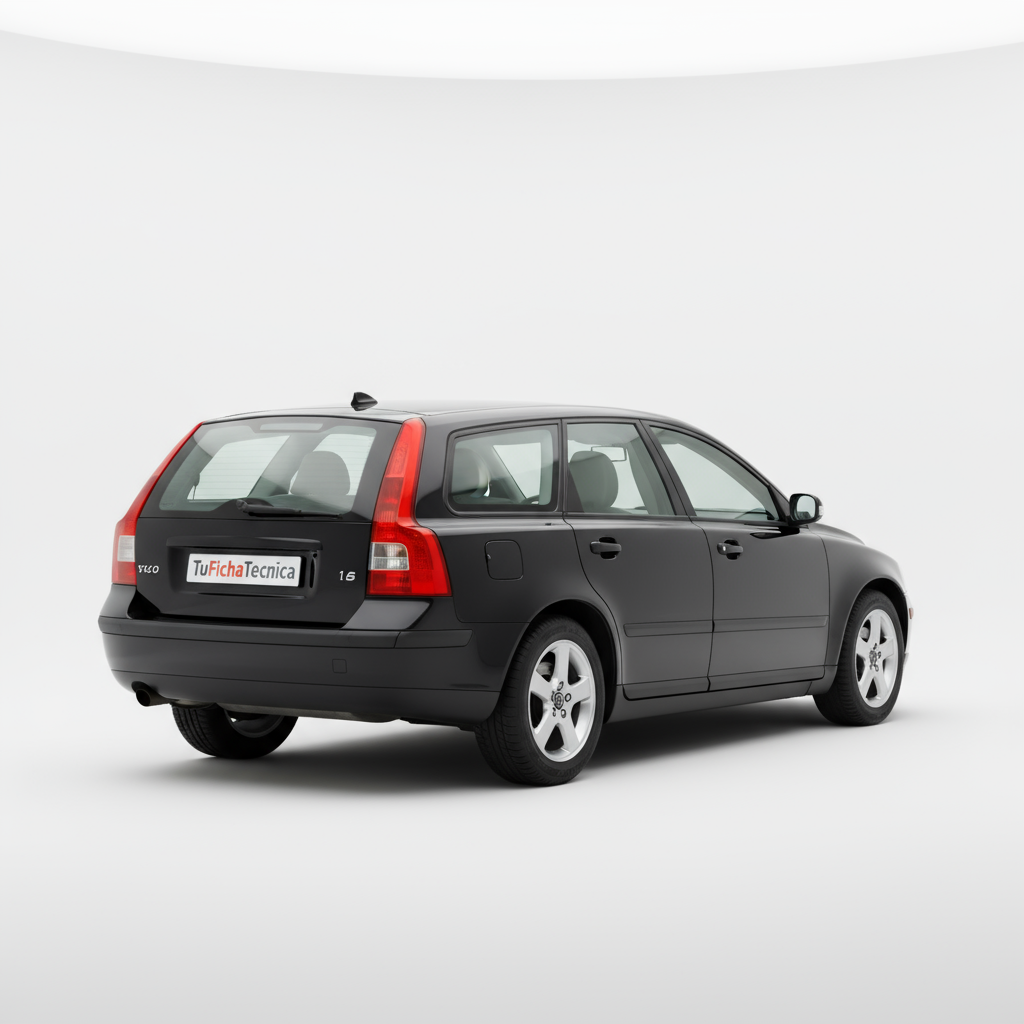
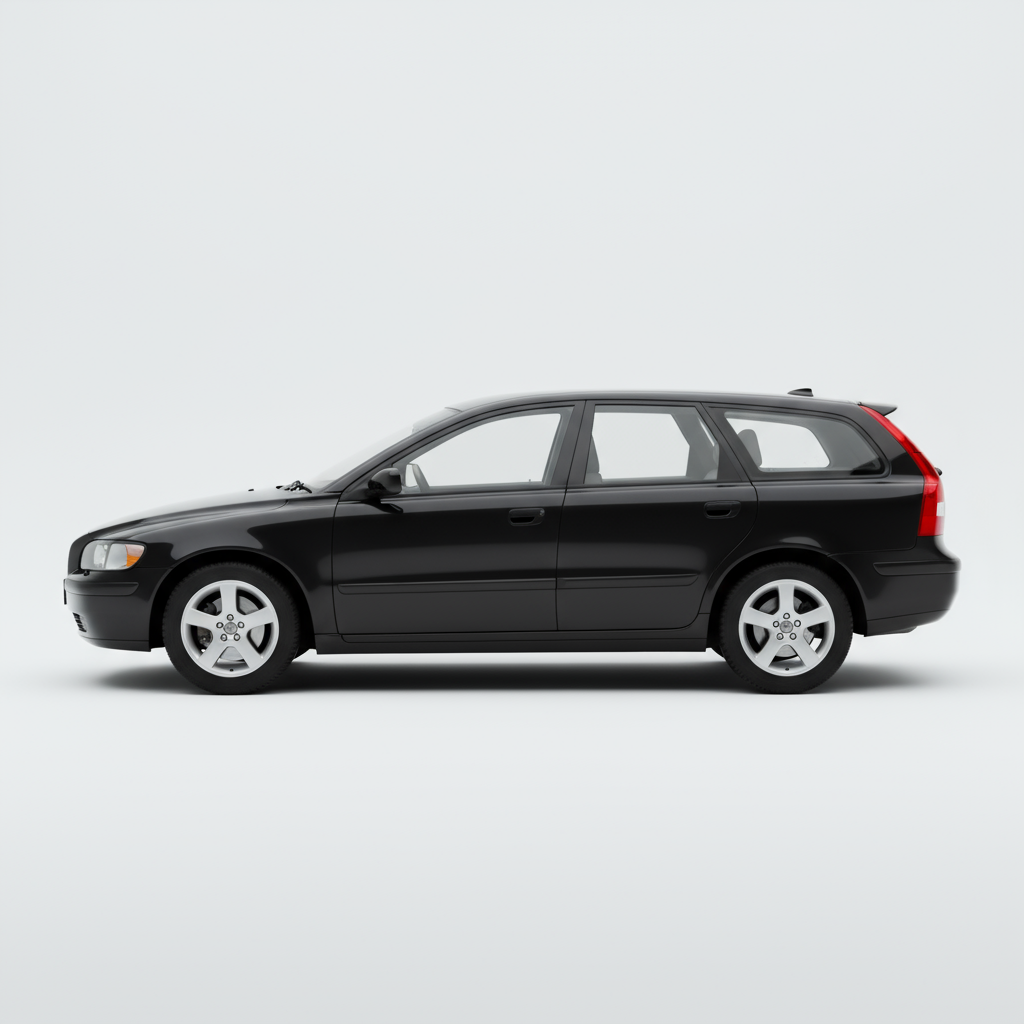
The design of the 1996 Volvo V40 is a reflection of Scandinavian philosophy: functional, elegant, and understated. Its clean lines and estate silhouette give it a discreet yet distinguished presence. The front and rear lights, though simple, integrate harmoniously into the overall design. The interior, with its quality materials and well-thought-out ergonomics, creates a welcoming and practical environment. Every element is designed to be useful and durable, without sacrificing aesthetics. It is a design that ages gracefully, maintaining its appeal over time.
Technology and features
In its time, the Volvo V40 2.0T incorporated advanced technology to ensure safety and comfort. Its 1.9-liter engine with turbo and intercooler, along with indirect injection, offered remarkable performance for the era. In terms of safety, Volvo was already a benchmark, and this model was no exception, with a robust structure and effective braking systems. Although today its technological features may seem modest, at the time it represented a balance between innovation and reliability, focused on the essentials for a safe and pleasant driving experience.
Competition
In the competitive compact estate market of the time, the Volvo V40 2.0T faced tough rivals such as the Audi A4 Avant, the BMW 3 Series Touring, or the Mercedes-Benz C-Class Estate. It also competed with models like the Volkswagen Passat Variant or the Ford Mondeo estate. Compared to them, the V40 stood out for its reputation for unwavering safety, its sober and elegant design, and an attractive price-quality ratio. Although it perhaps did not offer the sportiness of some of its German competitors, its focus on comfort, reliability, and practicality made it a very solid option for an audience that valued these attributes above all else.
Conclusion
The 1996 Volvo V40 2.0T is a car that, despite its age, remains a testament to Swedish engineering. It is a vehicle that combines the practicality of an estate with a capable engine and exemplary safety. Its timeless design and functional interior make it a pleasant and reliable travel companion. It is a smart choice for those looking for a car with character, durability, and that offers a serene and safe driving experience. A modern classic that still has much to offer.